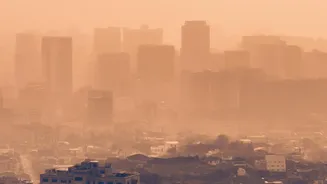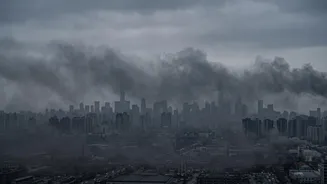








The Annual Return of Smog
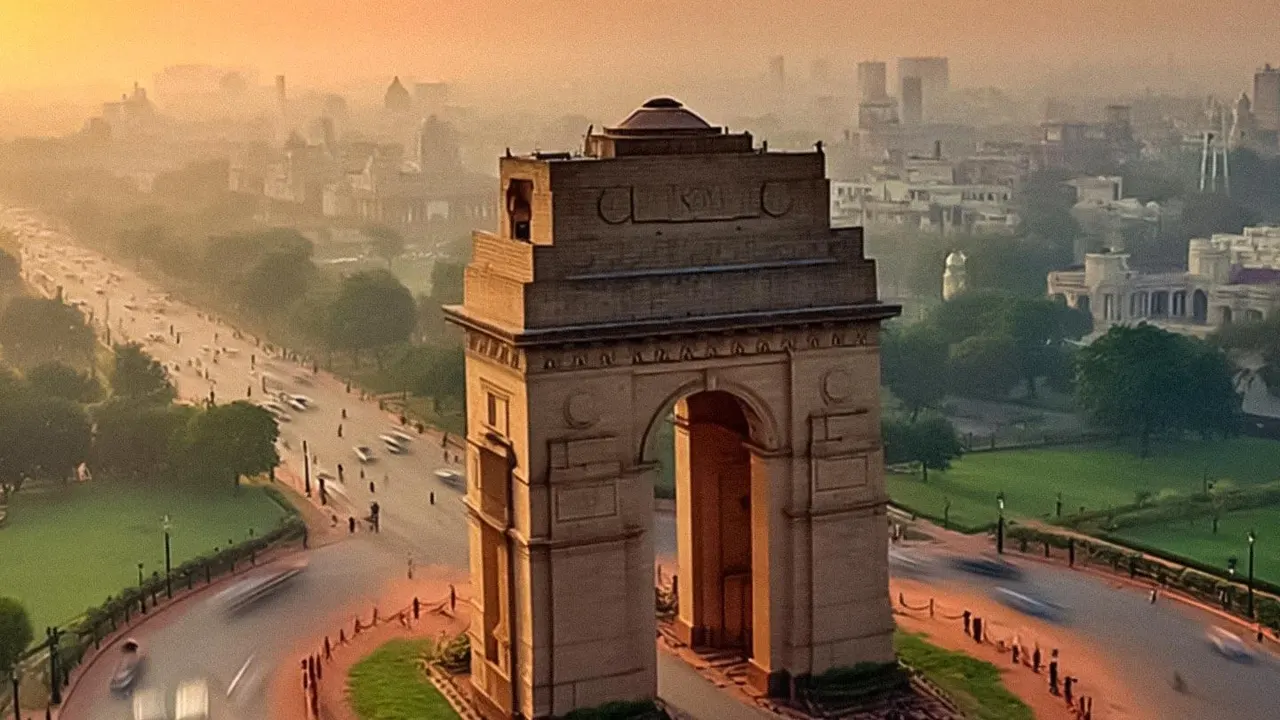
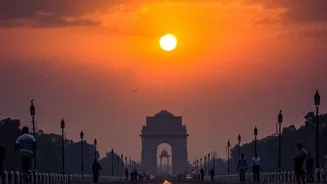
Every year, as the monsoon withdraws and winter approaches, a thick blanket of smog descends upon Delhi and the National Capital Region. This toxic cocktail is a mix of smoke and fog, loaded with dangerous pollutants. The most harmful of these are tiny
particles known as PM2.5, which are many times thinner than a human hair. These particles are small enough to bypass the body's natural defences, travelling deep into the lungs and even entering the bloodstream. The seasonal spike in pollution is driven by a combination of factors, including emissions from vehicles and industry, dust from construction, and smoke from crop stubble burning in neighbouring states, all trapped by calm, cool weather conditions.
Who Is Considered a 'Sensitive' Person?
While smog affects everyone, certain groups are far more vulnerable to its effects. These 'sensitive groups' include children, older adults, pregnant women, and individuals with pre-existing medical conditions. Children are at higher risk because their lungs are still developing, and they breathe in more air relative to their body size. Older adults may have weaker immune systems or undiagnosed heart and lung conditions. People already living with respiratory ailments like asthma or COPD, as well as those with cardiovascular disease or diabetes, can experience a severe worsening of their symptoms when exposed to high pollution levels.
Recognising the Respiratory Warning Signs
For sensitive individuals, the body's reaction to smog can be immediate and distressing. Common symptoms include a persistent cough, wheezing, shortness of breath, and a feeling of tightness or burning in the chest. You might also experience irritation in the eyes, nose, and throat. It is crucial to distinguish between minor discomfort and a serious reaction. While a scratchy throat may be a common complaint, an asthma attack that doesn't respond to a rescue inhaler, or feeling breathless even while at rest, are signs that you need to take immediate action.
Creating a Clean Air Sanctuary at Home
Since you will likely spend more time indoors during peak pollution, making your home a safe haven is critical. Keep windows and doors firmly closed, especially during the early morning and late evening when pollution levels are often at their highest. Using an air purifier with a High-Efficiency Particulate Air (HEPA) filter can significantly reduce the concentration of indoor PM2.5 particles. It's best to place the purifier in the room where you spend the most time, such as the bedroom. Avoid activities that add to indoor pollution, like burning incense or candles, and use an exhaust fan while cooking. Regular wet mopping of floors can also help by settling dust particles.
How to Navigate the Outdoors Safely
When you must go outside, taking precautions can make a major difference. The single most effective tool is a well-fitted N95 or N99 mask, which can filter out the vast majority of harmful fine particles. Simple cloth or surgical masks are not effective against PM2.5. Before stepping out, check the day's Air Quality Index (AQI) using a reliable app. On days when the AQI is 'Poor' or worse, it is vital to avoid strenuous outdoor exercise like jogging or cycling. If you must be outside, try to schedule your activities for the late morning or early afternoon, when pollution levels may be comparatively lower.
When to Consult a Doctor
It is important not to dismiss persistent symptoms. If you experience severe chest pain, difficulty breathing that doesn't ease, or a lingering cough that lasts for weeks, it's time to seek medical advice. Individuals with known heart or lung conditions should have a clear action plan from their doctor for high-pollution days, including when to adjust medication. Proactive care is essential. Regular check-ups and keeping rescue inhalers readily accessible can prevent a minor issue from escalating into a medical emergency.