







Why A Gradual Shift Matters
For nine days, your digestive system has been on a different rhythm. You may have consumed lighter foods, avoided grains, and reduced intake of salt, onion, and garlic. This period gives the digestive tract a much-needed rest. During a fast, processes
like stomach acid production and the secretion of digestive enzymes slow down considerably. The intestines' cleansing waves, known as the migrating motor complex, work more efficiently without constant food intake. Jumping straight to a rich, spicy, or fried meal forces this resting system into overdrive, which can lead to bloating, acidity, stomach cramps, and general discomfort, undoing some of the gentle benefits you have just gained.
Day 1-2: Rehydrate and Go Light
The first 24 to 48 hours are about reawakening your digestion gently. Start with hydration. Coconut water is excellent for replenishing electrolytes, while a glass of warm water with lemon or herbal infusions like those made with fennel (saunf) or carom seeds (ajwain) can help reduce bloating and aid digestion. For your first meals, think simple and easy to process. A bowl of fruit, a light vegetable soup, or a serving of plain yogurt or curd are ideal choices. These foods provide essential nutrients without overwhelming your stomach. Probiotics in curd help restore healthy gut bacteria, which is crucial after a dietary shift.
Day 3-4: Reintroducing Grains and Proteins
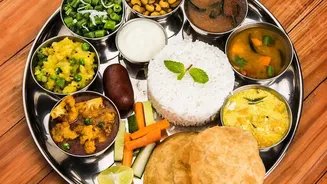
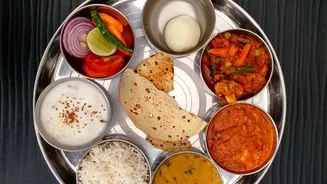
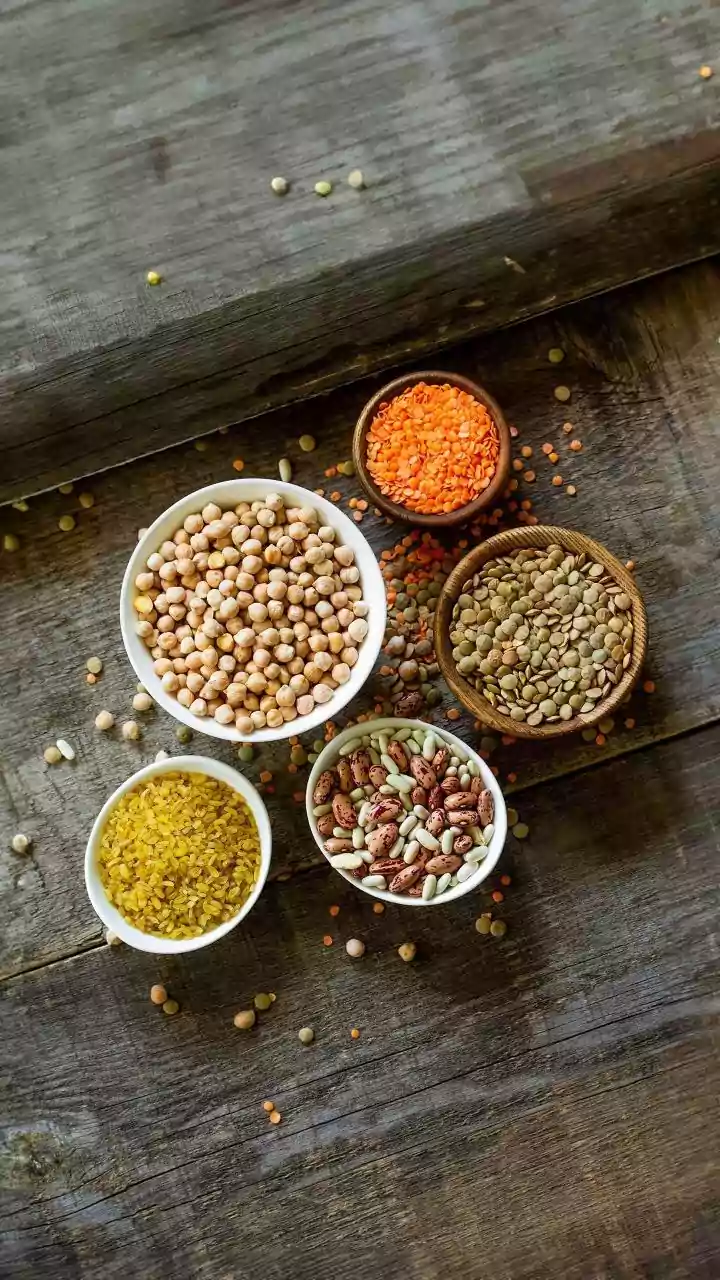
By the third day, your system is likely ready to handle more complex foods. This is a good time to gradually reintroduce regular grains and proteins. Instead of heavy, fried puris, start with a soft-cooked roti or a small bowl of steamed rice or dalia. Pair this with a simple lentil preparation like a light moong dal, which is easy on the stomach. Protein is vital for recovery, but choose wisely. Paneer, eggs, and well-cooked dals are better initial choices than heavy meat dishes. Portion control is key; eat small, frequent meals rather than three large ones to avoid feeling sluggish and to curb unnecessary cravings.
Day 5 and Beyond: Navigating Fats, Spices, and Sweets
As you move further into the week, you can begin to reintroduce a wider variety of foods, including healthy fats and spices. Start by adding a teaspoon of ghee to your dal or roti, and slowly increase the complexity of your vegetable preparations. However, continue to avoid excessively spicy and oily foods for at least a week. The same rule applies to sweets. While it is tempting to indulge after days of restriction, refined sugar can cause inflammation and energy crashes. If you crave something sweet, opt for natural sources like dates or a small piece of jaggery.
Listen to Your Body's Cues
Ultimately, the most important guide during this transition is your own body. Pay close attention to how you feel after eating. Are you feeling energised or bloated and tired? Mindful eating is crucial. Chew your food thoroughly and eat slowly, giving your brain time to register that you are full. If you have been enjoying the feeling of lightness and improved energy from the Navratri diet, consider which elements you might want to incorporate into your regular routine. Perhaps it is starting your day with fruit, reducing processed foods, or simply eating with more awareness. The end of the fast does not have to mean the end of mindful eating.