







Why 3,000 Metres Is the Magic Number
While the air contains the same percentage of oxygen at all altitudes, the drop in air pressure as you go higher means you get fewer oxygen molecules with each breath. For most people, the body handles altitudes up to about 2,500-3,000 metres (around
8,000-10,000 feet) with minimal issues. Above this threshold, however, the risk of Acute Mountain Sickness (AMS) increases significantly. Your body is forced to work harder, increasing your breathing and heart rate to compensate for the hypoxic environment. This is the point where a structured, patient approach to ascent becomes non-negotiable. Rushing the process can lead to headaches, nausea, and fatigue, and in worst-case scenarios, life-threatening conditions.
The Golden Rules of Safe Ascent
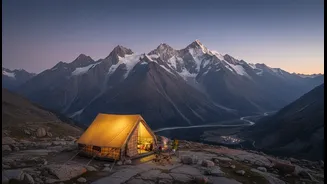
Once you cross the 3,000-metre mark, two core principles should guide your itinerary. The first is to limit the increase in your sleeping altitude. A widely accepted guideline is to not increase the altitude at which you sleep by more than 300 to 500 metres per day. This means that even if you hike much higher during the day, your overnight camp should only be modestly higher than the previous night's. The second rule, which directly supports the headline, is to schedule a full rest day for every 1,000 metres you gain in sleeping elevation. For example, after climbing from 3,000 to 4,000 metres over a few days, you should plan to spend an extra night at 4,000 metres to allow your body to fully catch up before pushing higher.
What a 'Rest Day' Really Means
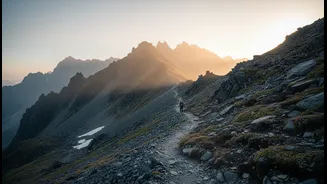
A common mistake is to think of an acclimatization day as a day spent doing nothing. In reality, it’s an 'active rest' day. The most effective strategy is the 'climb high, sleep low' principle. On your rest day, you should take a slow, gentle hike to a higher altitude—perhaps 300 to 500 metres above your camp—spend an hour or two there, and then descend back to the same camp to sleep. This short exposure to even thinner air acts as a powerful signal, prompting your body to accelerate its adaptation process, such as producing more red blood cells to carry oxygen more efficiently. Then, by sleeping at the lower elevation, you allow it to recover in a relatively oxygen-rich environment. This controlled stress followed by recovery is far more beneficial than staying sedentary.
Listen to Your Body: The Signs of AMS
No itinerary can replace the need to listen to your own body. Fitness level, age, and gender have no bearing on who gets altitude sickness. Symptoms of mild AMS typically appear 12 to 24 hours after arriving at a new, higher altitude. The most common signs include a persistent headache, nausea or loss of appetite, dizziness, fatigue, and difficulty sleeping. The single most important rule is: do not ascend to a higher sleeping altitude if you are experiencing symptoms of AMS. Stay at your current elevation until you feel better. If symptoms worsen, the only cure is to descend to the last altitude where you felt well.
Putting It All Together in Your Itinerary
When planning a high-altitude trek, resist the temptation to choose a compressed itinerary that promises to get you there and back as quickly as possible. Look for schedules that explicitly include acclimatization days at key points, such as at Namche Bazaar (3,440m) and Dingboche (4,410m) on the Everest Base Camp trek. These are not buffer days; they are essential components of a safe trip. A well-paced itinerary might feel frustratingly slow on the first few days when you feel strong, but you will be thankful for that patience when you are above 4,500 metres and still feeling good. Remember to stay well-hydrated, as dehydration can mimic and worsen the symptoms of AMS. Avoid alcohol, which can inhibit acclimatization.