





The Golden Spice: Turmeric
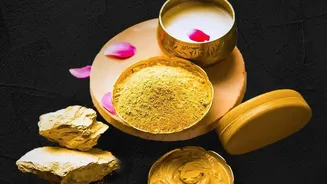
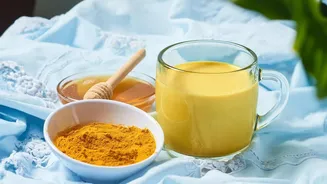
Turmeric has been a cornerstone of Ayurvedic beauty rituals for centuries, prized for its ability to impart a natural glow. Its primary active compound, curcumin, has anti-inflammatory and antioxidant properties. These characteristics may help calm the
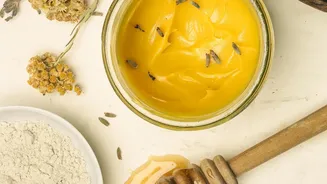
skin, reduce redness, and uneven skin tone by addressing dark spots and pigmentation. When used in face masks, turmeric can help purify the skin and manage concerns like acne due to its antibacterial effects. However, a little goes a long way. Turmeric has a strong pigment that can temporarily stain the skin, so it's often mixed with ingredients like curd or milk to prevent this.
Nature's Moisturizer: Honey
Honey is a natural humectant, meaning it draws moisture from the air and locks it into your skin, providing deep hydration without feeling greasy. Raw, unpasteurized honey is particularly beneficial as it retains its natural enzymes and antibacterial properties. These qualities make honey an excellent ingredient for managing acne-prone skin, as it can help clear pores and reduce inflammation. Its soothing nature also makes it suitable for dry or irritated skin, helping to repair the skin barrier and heal scars faster. Whether used alone or mixed with other ingredients, honey leaves the skin feeling soft and supple.
The Cooling Exfoliant: Curd
Curd, or plain yogurt, is more than just a healthy snack; it's a fantastic skincare ingredient. It is a rich source of lactic acid, a mild alpha-hydroxy acid (AHA) that gently exfoliates the skin. This process helps to remove dead skin cells, unclog pores, and reveal a brighter, smoother complexion. The probiotics in curd can help soothe inflammation and support a healthy skin barrier. Its cooling properties make it particularly refreshing, especially for irritated or sun-exposed skin. Curd's creamy texture also provides moisture, making it a versatile ingredient suitable for most skin types, from oily to dry.
The Soothing Healer: Aloe Vera
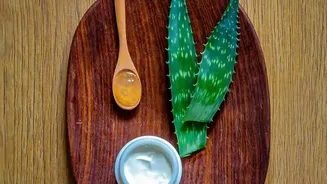
Known as the “plant of immortality” by ancient Egyptians, aloe vera is celebrated for its profound healing and hydrating properties. The clear gel found inside its leaves is packed with vitamins, antioxidants, and amino acids that soothe and repair the skin. Aloe is famously used to calm sunburn, but its benefits extend to reducing redness, puffiness, and general irritation. It can also help treat inflammatory acne and lighten the appearance of scars by boosting collagen production. Its lightweight, water-based hydration makes it ideal for all skin types.
Recipe 1: Brightening Mask for Dull or Acne-Prone Skin
This classic mask combines the antibacterial power of honey with the brightening effects of turmeric. Mix two tablespoons of curd (or Greek yogurt) with one teaspoon of turmeric powder and one tablespoon of honey until you form a smooth paste. The curd acts as a gentle exfoliant and a buffer against turmeric's staining potential. Apply the paste to a clean face, avoiding the eye area, and leave it on for 10-15 minutes. Rinse thoroughly with lukewarm water. It can help calm inflammation from acne and gradually fade dark spots.
Recipe 2: Deep Hydration Mask for Dry Skin
For skin that feels tight and parched, this mask offers a boost of moisture. Combine two tablespoons of curd with one tablespoon of honey. For an extra soothing and hydrating touch, mix in one teaspoon of aloe vera gel. Apply the creamy mixture to your face and neck and let it sit for 15-20 minutes. The honey and aloe will draw in moisture while the fats and proteins in the curd nourish and soften the skin. Rinse with lukewarm water and follow up with your favorite moisturizer to lock in the benefits.
Recipe 3: Soothing Mask for Irritated Skin
If your skin is feeling sensitive, red, or irritated, this simple two-ingredient mask can provide immediate relief. Mix one tablespoon of pure aloe vera gel with one tablespoon of raw honey. Apply the cooling mixture to the affected areas or your entire face and leave it on for 15-20 minutes. Both ingredients have powerful anti-inflammatory properties that work together to calm the skin and reduce redness. This combination is also beneficial after sun exposure or for skin prone to conditions like rosacea.
Application Tips and Precautions
Before applying any new mask, it's crucial to perform a patch test on a small area of your skin, like behind your ear, to check for any adverse reactions. Some people can experience contact dermatitis or allergies to natural ingredients like turmeric or aloe vera. Always start with a clean, dry face. Use clean fingers or a brush to apply the mask evenly, and be careful to avoid your eyes and hairline. Let the mask sit for the recommended time—usually 10 to 20 minutes—but don't let it dry completely to a crust, as this can pull moisture from your skin. When rinsing, use lukewarm water and a soft cloth, gently massaging your face to remove the paste.