


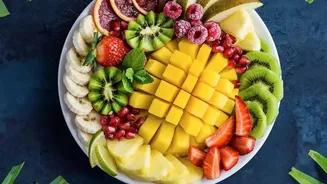

The Eye-Opening Experiment
Multiple studies have explored the fascinating link between presentation and perception. In one notable experiment, participants were shown images of the exact same food—for instance, an avocado toast with identical ingredients—but presented in two different
ways: one neat and orderly, the other messy and haphazard. Despite knowing the ingredients were the same, people consistently rated the neatly arranged version as healthier. Similar studies have found that food served on more aesthetically pleasing plates, such as those with beautiful patterns, were perceived as not only healthier but also tastier. These findings hold true across different types of foods and presentation styles, from the arrangement of elements to the very design of the dinnerware.
The Psychology of a Pretty Plate
So, what is happening in our brains? The phenomenon is largely driven by cognitive shortcuts and the 'halo effect'. When we see food that is presented with care, symmetry, and balance, our brain makes an assumption: if someone took the time to make it look good, they probably used better ingredients and more care in its preparation. This perception of effort and intentionality creates a positive 'halo' that extends to other attributes. Researchers found that people judged pretty food as being more 'natural', which in turn made it seem healthier. This mental leap happens in seconds, often before we have even taken a single bite, illustrating how visual cues can overpower factual information, like an ingredient list.
Order, Care, and Quality
Our minds are wired to associate order and neatness with quality and safety. A messy plate, on the other hand, can subconsciously signal carelessness or even a lack of hygiene, which can negatively impact our enjoyment and perception of the food. Researchers have noted that consumers are willing to pay more for neatly presented food and assume it comes from a higher-quality establishment. This isn't just about fine dining. Even simple acts like arranging slices symmetrically, wiping a smudge from the plate's rim, or placing the main element in the centre can trigger these positive associations. The arrangement signals that the meal was crafted with intent, and our brains translate that visual harmony into an expectation of better taste and health benefits.
Using Visuals to Nudge Healthier Choices
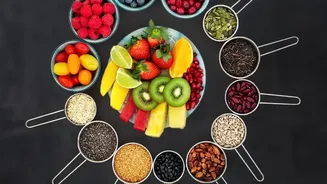
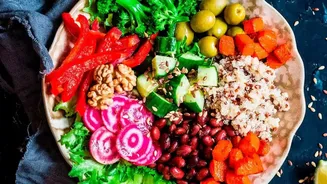
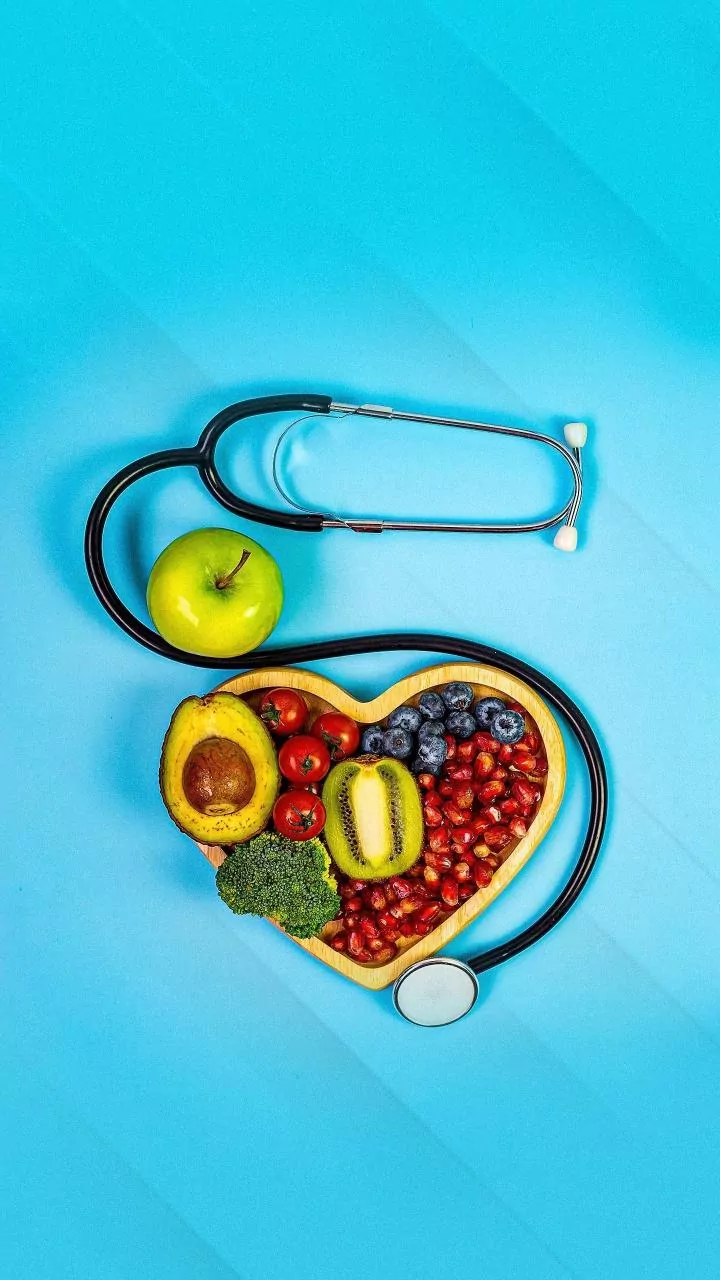
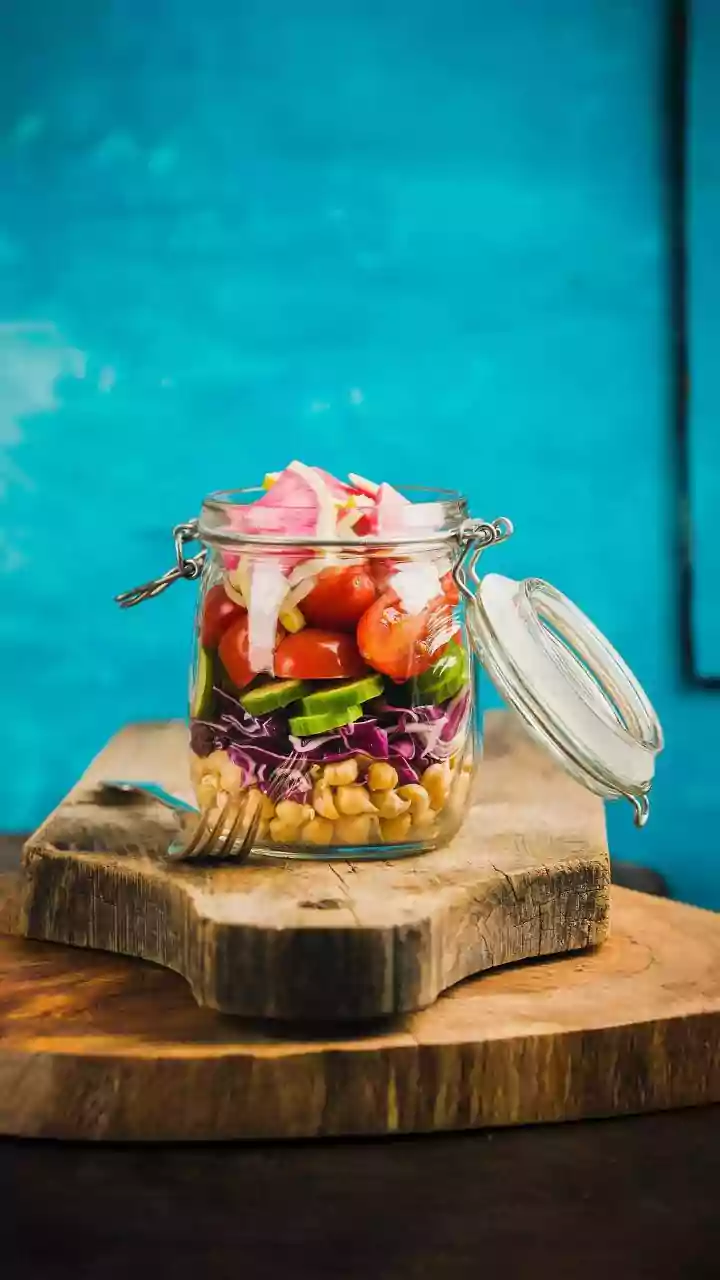
These insights offer a powerful and simple tool for anyone looking to encourage healthier eating habits. If you're trying to get your family—or even yourself—to eat more salads and vegetables, the trick might not be in a new recipe but in a new presentation. Instead of just tossing a salad into a bowl, try arranging the ingredients with a sense of order and colour harmony. Studies on colour combinations suggest that plates with several harmonious colours are often seen as more attractive. Similarly, serving healthy food on plates that are considered aesthetically beautiful can increase its perceived healthiness and tastiness. This simple strategy can make nutritious options more appealing without changing a single ingredient, effectively making healthy food more desirable through the power of presentation.