






The world's top energy watchdog, the International Energy Agency (IEA), has sounded the alarm. Global energy markets are facing significant supply constraints that could last for years, bringing price volatility and economic uncertainty.
The Core of the Warning
In a series of
recent statements and reports, the IEA has made it clear that the global energy market is on precarious footing. IEA Executive Director Fatih Birol stated that energy markets are unlikely to return to the conditions that existed before recent geopolitical conflicts, with no 'credible pathway' for normalization in 2027. The primary concern revolves around a tightening supply of crucial fuels, especially diesel and gasoil, which could persist into 2027. These fuels are the workhorses of the global economy, powering everything from trucking and shipping to manufacturing and agriculture. The IEA warns that despite a potential decrease in overall oil demand due to high prices, the market is expected to remain in a supply deficit through the end of the year.
Geopolitics and Supply Disruptions
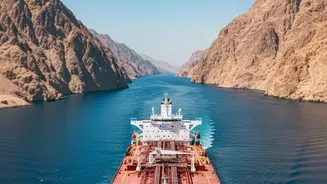
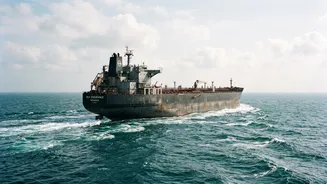
A major driver of this instability is the impact of geopolitical conflicts, which have disrupted key energy supply routes. The IEA specifically points to conflicts in the Middle East and Russia, which have negatively affected global fuel supplies. These events have upended a market that was otherwise expected to run a surplus. While oil shipments from the Persian Gulf have shown some recovery, ongoing security risks, including attacks on energy infrastructure and tankers, mean the situation remains fragile. These disruptions have a direct impact on availability, cutting global diesel and gasoil supplies significantly compared to the previous year and putting extreme pressure on markets.
The Most Affected Fuels
The warning is not uniform across all energy types. The most acute pressure is on 'middle distillates' like diesel and gasoil, which account for nearly 30% of global oil demand. The IEA's October 2026 Oil Market Report highlights that the tightness in the gasoil market could extend well into 2027, with little chance to rebuild inventories to normal levels before the second half of that year. The situation is exacerbated by seasonal factors, such as refinery maintenance happening just before the Northern Hemisphere's winter, a peak demand season for heating oil. Europe is seen as particularly vulnerable due to its twin constraints of reducing Russian gas imports while also facing disruptions to gas exports from Qatar and the UAE.