






A Landmark Orbital Flight
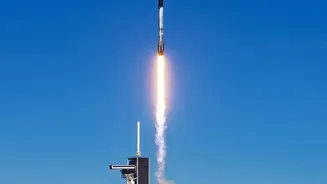
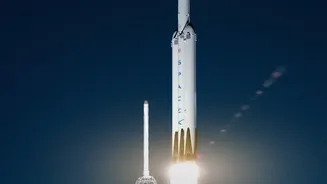
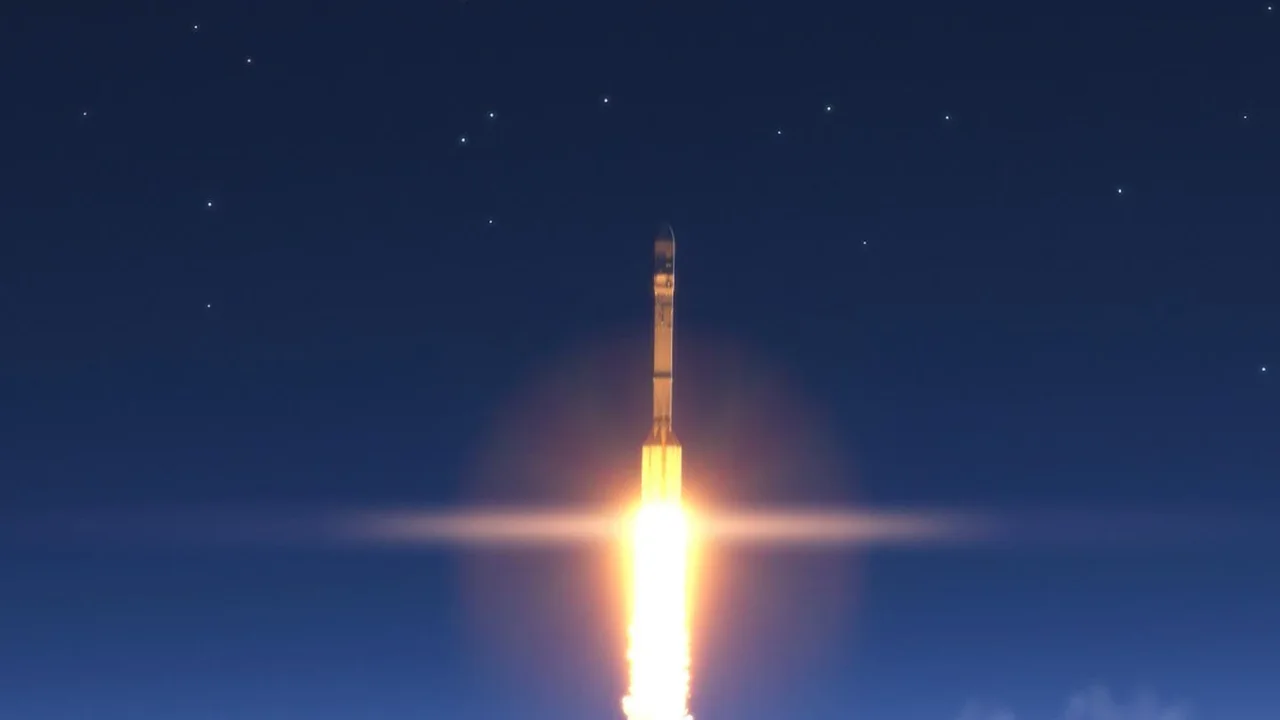
On September 28, 2026, the world's most powerful rocket, the SpaceX Starship, lifted off from its Starbase facility in Texas. This was its 14th test flight, but the first to attempt a full orbital journey. Despite some initial drama, including the early
shutdown of one of the upper stage's Raptor engines, mission control pushed ahead. The decision paid off, as Starship successfully achieved orbit, a major accomplishment three years in the making. This test was not just about reaching space; it was a comprehensive demonstration of the system's capabilities, from launch to return.
Why 275 Kilometres Is a Big Deal
The apogee, or highest point, of Starship's flight was approximately 275 kilometers (about 171 miles). This altitude is significant because it placed the vehicle firmly in low Earth orbit, a realm previously reached by Starship only in simulations. Achieving a stable orbit, even for a short time, is fundamentally different and more challenging than the suborbital 'hops' of previous tests. This flight proved Starship could perform the crucial orbital insertion burn, transitioning from a vehicle ascending through the atmosphere to one circling the planet at around 28,000 km/h. It effectively graduated Starship from a test article to a spacecraft capable of operating in orbit.
Delivering a Payload and Returning Home
This was more than just an empty run. For the first time, Starship carried an operational payload, deploying 26 next-generation Starlink V3 satellites into orbit. This demonstrated its potential as a heavy-lift cargo transport, a key part of SpaceX's business model. The original plan was for a 10-hour, six-orbit mission, but controllers opted for a shorter flight out of an abundance of caution following the ascent engine issue. After about three hours, Starship performed a deorbit burn and began its journey back to Earth. It executed a fiery atmospheric reentry and a controlled splashdown in the Pacific Ocean north of Hawaii. Although the vehicle exploded upon hitting the water, the controlled descent and targeted landing were considered major successes.
A Calculated Risk with Huge Payoffs
The entire mission was a series of calculated risks. Even with an engine failure, SpaceX made the call to proceed to orbit, compensating by burning the remaining engines longer. The Super Heavy booster also completed its mission, performing a soft splashdown in the Gulf of Mexico. Each phase of the flight, from the hot-staging separation to the payload deployment and the final landing flip maneuver, provided invaluable data. This iterative process of testing, failing, and rapidly improving is the hallmark of SpaceX's development philosophy. While the mission was cut short, it achieved its primary objectives and provided the data needed to push forward.
The Next Giant Leap for NASA and Mars
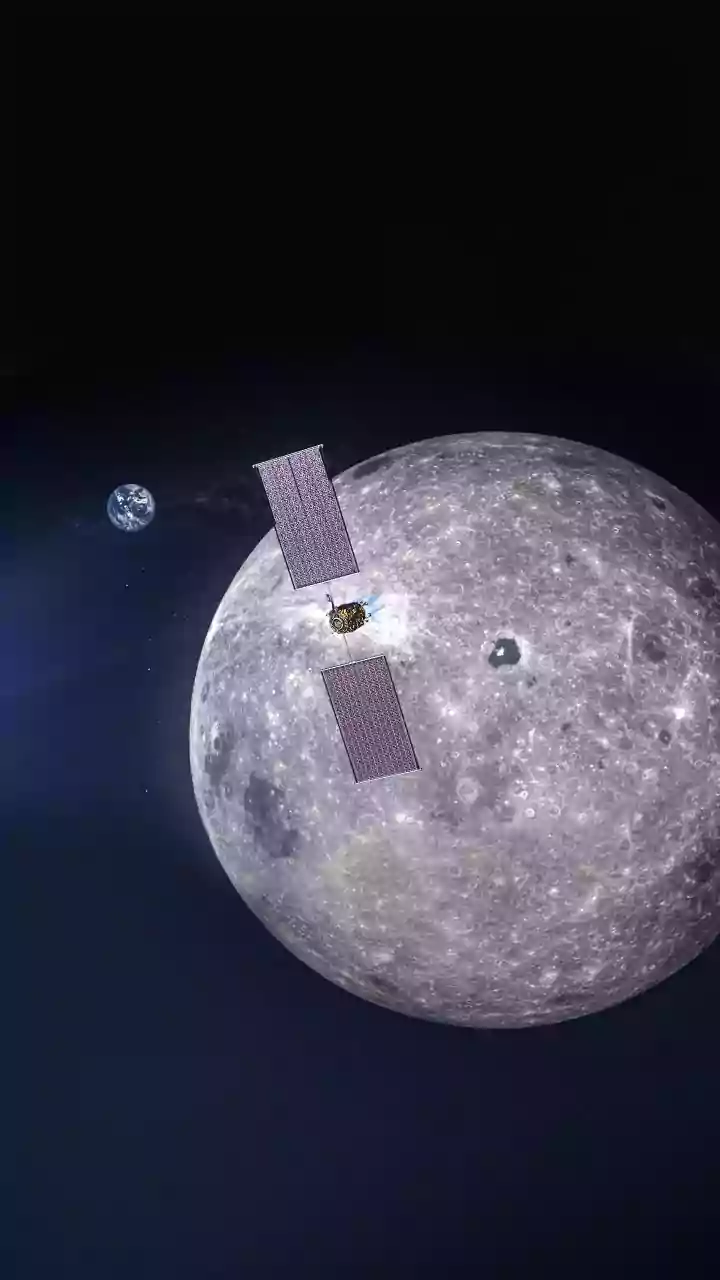
This successful orbital flight has massive implications for the future. NASA is relying on a version of Starship to land astronauts on the Moon for its Artemis program, with missions slated for as early as 2028. This test was a critical step in building confidence that Starship can be a reliable vehicle for human spaceflight. Beyond the Moon, the ultimate goal for Starship remains Elon Musk's vision of making humanity multi-planetary by establishing a presence on Mars. By proving it can reach orbit and return, Starship is now one giant leap closer to making both of those ambitious goals a reality.