







Harnessing the Power of Clove
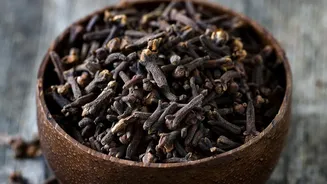
Cloves are the dried, unopened flower buds of a tropical evergreen tree, and their flavour is potent. Described as warm, sweet, spicy, and slightly peppery, their intensity comes from a compound called eugenol. Because of this, the most important rule
for baking with cloves is that a little goes a long way; too much can easily overwhelm a dish. For ground cloves, a good starting point is about a quarter teaspoon per two cups of flour in a recipe. This provides a noticeable warmth without dominating other flavours. You can buy cloves whole or ground. Whole cloves are best for slowly infusing liquids, like syrups or custards, and should be removed before serving. Ground cloves release their flavour much more quickly, making them ideal for mixing directly into batters and doughs. While convenient, ground cloves lose their potency faster than whole ones, so it's best to store them in an airtight container and use them within a year or two for the best flavour.
Perfect Pairings for Deeper Flavour
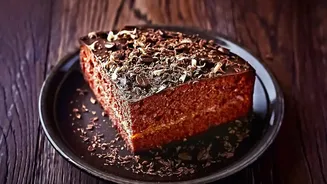
Clove’s bold character shines when paired with the right partners. It naturally complements other warm spices like cinnamon, nutmeg, allspice, and ginger, forming the backbone of many classic spice blends such as pumpkin pie spice. Beyond the spice rack, clove works beautifully with a variety of fruits. It enhances the sweetness of apples, pears, and plums, making it a perfect addition to fruit-based cakes and crumbles. Citrus, especially orange, provides a bright contrast that cuts through clove’s richness. Don't overlook less obvious pairings either. Clove adds an intriguing depth to chocolate, and its warmth is a classic match for the robust flavours of molasses and brown sugar found in gingerbread and other old-fashioned treats.
Adding Warmth and Depth to Cakes
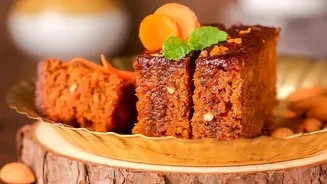
Incorporating cloves into cakes can transform a simple bake into something special. For a subtle approach, add a small amount of ground clove to a standard spice cake, coffee cake, or carrot cake recipe. Often, just half a teaspoon of ground cloves is enough to add a layer of complexity alongside cinnamon and nutmeg. Old-fashioned clove cakes, which make the spice the star, use a more generous amount for a bolder, spicier result. These cakes often pair the clove with buttermilk or sour milk to balance the flavour. You can also use cloves to enhance fruit-based cakes. A pinch of ground clove in an apple or pear upside-down cake will amplify the fruit’s natural sweetness. For a gentler infusion, you can simmer a few whole cloves in the milk or butter destined for your batter, then strain them out before mixing.
Creating Complex and Spicy Cookies
Cloves are a defining ingredient in many classic cookies, especially those with a chewy, spicy profile. They are essential in gingerbread, providing the signature 'hot' note that distinguishes it from other spice cookies. Molasses and clove cookies are another heritage recipe where the deep, slightly bitter molasses is perfectly balanced by the sharp warmth of the spice. When adding ground cloves to cookie dough, it’s important to distribute it evenly with the other dry ingredients before mixing to avoid pockets of intense flavour. You can also find clove paired with orange zest in delicate butter cookies or shortbread, offering a sophisticated and festive twist. For a simple start, try adding a quarter to a half teaspoon of ground cloves to your favorite sugar cookie or oatmeal cookie recipe along with a teaspoon of cinnamon. The combination creates an instant cozy classic.
Infusing Elegance into Custards
Custards, with their creamy, delicate base, are the perfect canvas for a gentle clove infusion. Using whole cloves is the best method here, as it imparts a clean, aromatic flavour without altering the custard's smooth texture or colour. To infuse a crème anglaise, panna cotta, or baked custard, simply add a few whole cloves to the milk or cream. Bring the liquid to a simmer, then remove it from the heat and let it steep, covered, for 15 to 20 minutes. This allows the essential oils to release slowly. Once the liquid has a clear but not overpowering clove aroma, strain it to remove the cloves and proceed with your recipe. This technique works for both stovetop custards and baked versions, like a clove and orange custard tart, where the spice adds a surprising and elegant depth to the rich filling.