




Understanding ‘Impact’ in Exercise
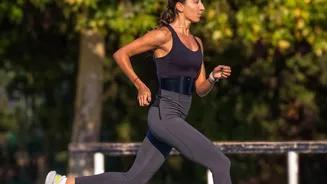
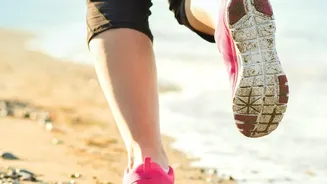
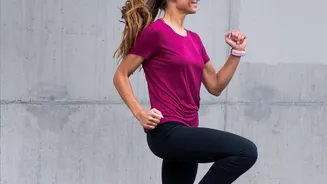
When we talk about 'impact' in fitness, we're referring to the amount of force exerted on your bones and joints during an activity. High-impact exercises, like running, involve movements where both of your feet leave the ground at the same time. The subsequent
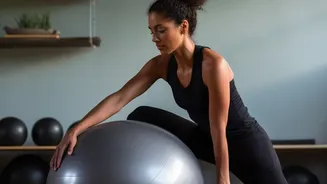
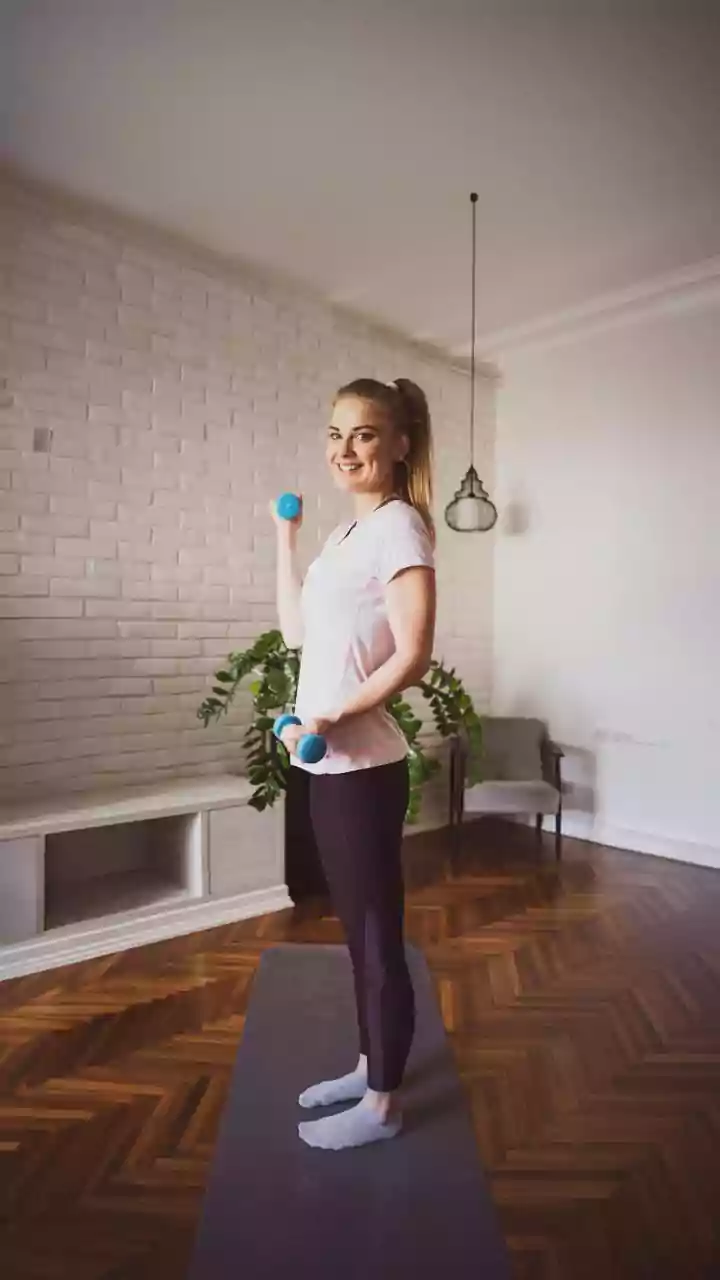
landing creates a force that your joints must absorb. In contrast, low-impact exercises keep at least one foot on the ground or support the body in other ways, like swimming or cycling. Pilates falls squarely into the low-impact category, as it involves slow, controlled movements, often performed on a mat or reformer machine, which minimizes stress on the joints.
The Case for High-Impact: Running
Running is a powerhouse for cardiovascular health. It strengthens your heart, improves circulation, and can significantly reduce the risk of heart disease. The high-impact nature of running is also exceptionally good for building bone density. The stress of your feet hitting the ground signals your body to strengthen your bones, which is crucial for preventing osteoporosis as you age. However, this repeated force is also its biggest drawback. It places significant strain on the joints, particularly the knees, hips, and ankles, which can lead to overuse injuries like shin splints or runner's knee, especially if your form is off or you increase mileage too quickly.
The Power of Low-Impact: Pilates
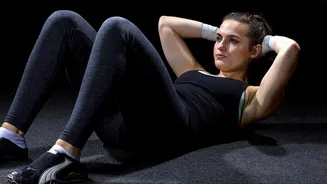
Pilates is renowned for its focus on building deep core strength—the 'powerhouse' that includes your abs, lower back, hips, and glutes. This creates a stable foundation for all movement, improving posture and reducing back pain. Because it involves controlled, precise motions, Pilates excels at increasing flexibility, muscle tone, and body awareness without jarring the joints. This makes it an incredibly safe and effective option for people of all fitness levels, including those recovering from injury or dealing with chronic joint pain. While it offers some cardiorespiratory benefits, it doesn't challenge the heart and lungs to the same degree as running.
Which One Is Right for Your Goals?
Your choice depends entirely on what you want to achieve. If your primary goal is improving cardiovascular endurance or building strong bones, running is the more efficient choice. For those focused on developing core stability, enhancing flexibility, improving posture, or seeking a gentle, joint-friendly workout, Pilates is the clear winner. When it comes to weight loss, the answer is nuanced. Running generally burns more calories per session. However, Pilates builds lean muscle, which increases your resting metabolic rate, helping you burn more calories throughout the day. Many find a combination of both is the most effective strategy.
Better Together: The Hybrid Approach
You don't have to choose just one. In fact, running and Pilates complement each other beautifully. Pilates can make you a better, more resilient runner. By strengthening your core, improving balance, and increasing flexibility, it helps you maintain proper running form, reducing fatigue and lowering your risk of injury. Many runners who incorporate Pilates into their routine report fewer injuries and better performance. Adding one or two Pilates sessions to your week can provide the foundational strength and stability that protects your body from the high-impact demands of running, creating a balanced and sustainable fitness plan.