




The Traditional Mango Calendar
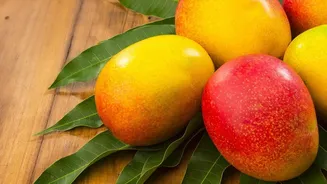
The Indian mango season has a familiar rhythm. It typically kicks off in late March and hits its peak between April and June. This is when the most famous varieties, like the premium Alphonso from Maharashtra and the Kesar from Gujarat, dominate the market.
For decades, this three-month period has been the primary window for both domestic consumption and international exports. By the time the monsoon arrives in early June, the season for these prime varieties largely concludes, as the rain affects the fruit's quality and shelf life. This short, intense period often leads to a glut in the market, where high supply can sometimes depress prices for farmers who are all trying to sell their harvest at once. For international buyers, it has meant a frantic rush to procure the fruit within a very tight timeframe.
Meet the Late-Season Contenders
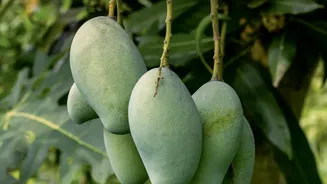
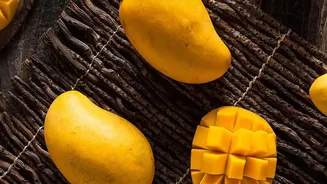
The new export drive, championed by bodies like the Agricultural and Processed Food Products Export Development Authority (APEDA), is shifting focus to what happens after June. The stars of this strategy are the late-season mangoes, which are harvested from late June through August. Varieties such as Chausa, Langra, and Dasheri from North India, along with Neelam and Totapuri from Karnataka, are now being promoted for international trade. These mangoes have always been popular domestically, but they are now being positioned as a way to prolong India's presence in the global market. For instance, a recent first-ever shipment of Neelam and Totapuri mangoes from Karnataka to the Maldives highlighted this push. These varieties offer unique flavours, from the celebrated sweetness of Chausa to the tangy profile of Totapuri, which is also prized for processing.
More Time, More Opportunity for Growers
Extending the export season provides a crucial advantage for Indian farmers. By creating a market for late-season varieties, it allows growers to avoid the intense competition of the peak April-June period. This diversification can lead to better and more stable prices. In the recent export of Karnataka mangoes to the Maldives, farmers reportedly earned over 50% higher returns compared to selling in conventional domestic markets. This initiative was made possible through Farmer Producer Companies (FPCs), which help in sourcing high-quality produce directly from farms and connecting them to international buyers. A longer selling window means farmers are not solely dependent on the success of a single, short harvest period, spreading their financial risk and creating more sustainable income streams throughout the summer months.
The Sea Route: A Game-Changer for Costs
A major hurdle for Indian mango exports has always been logistics costs, particularly the reliance on expensive air freight. However, significant progress is being made in developing sea protocols that allow mangoes to be transported by ship, drastically cutting costs. The cost of sea freight is estimated to be around ₹13–20 per kg, a fraction of the ₹150–250 per kg for air cargo. APEDA, in collaboration with the Indian Council of Agricultural Research (ICAR), has been trialling these protocols, which involve precise post-harvest management, such as hot water treatment and controlled temperature storage, to extend the shelf life of mangoes up to 30-35 days. Successful sea shipments of Banganapalli mangoes to Singapore have already demonstrated the viability of this approach, opening the door for larger volumes to reach markets in Asia and potentially Europe at a more competitive price.
The Journey Isn't Over Yet
Despite these positive developments, challenges remain. India is the world's largest mango producer but exports less than 1% of its total output. The industry still grapples with issues like inadequate cold chain infrastructure, high post-harvest losses, and the need to meet strict international quality and phytosanitary standards. Competition from other mango-producing countries in Latin America and Southeast Asia is also fierce. Ensuring consistent quality, especially during long sea voyages, requires strict adherence to new protocols and significant investment in infrastructure. Furthermore, building awareness and demand for these lesser-known late-season varieties in international markets will require sustained promotional efforts. The path to becoming a dominant global player requires continuous improvement in both agricultural practices and supply chain management.