




The Dawn of a New Space Age
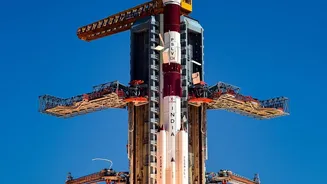
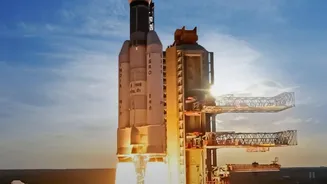
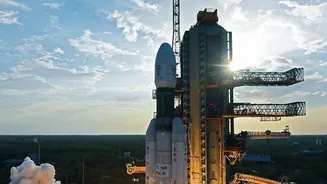
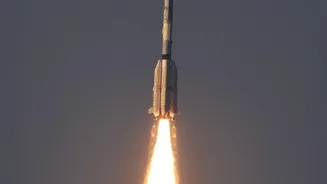
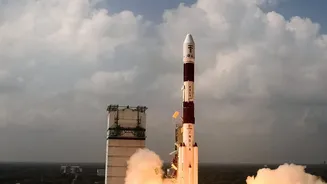
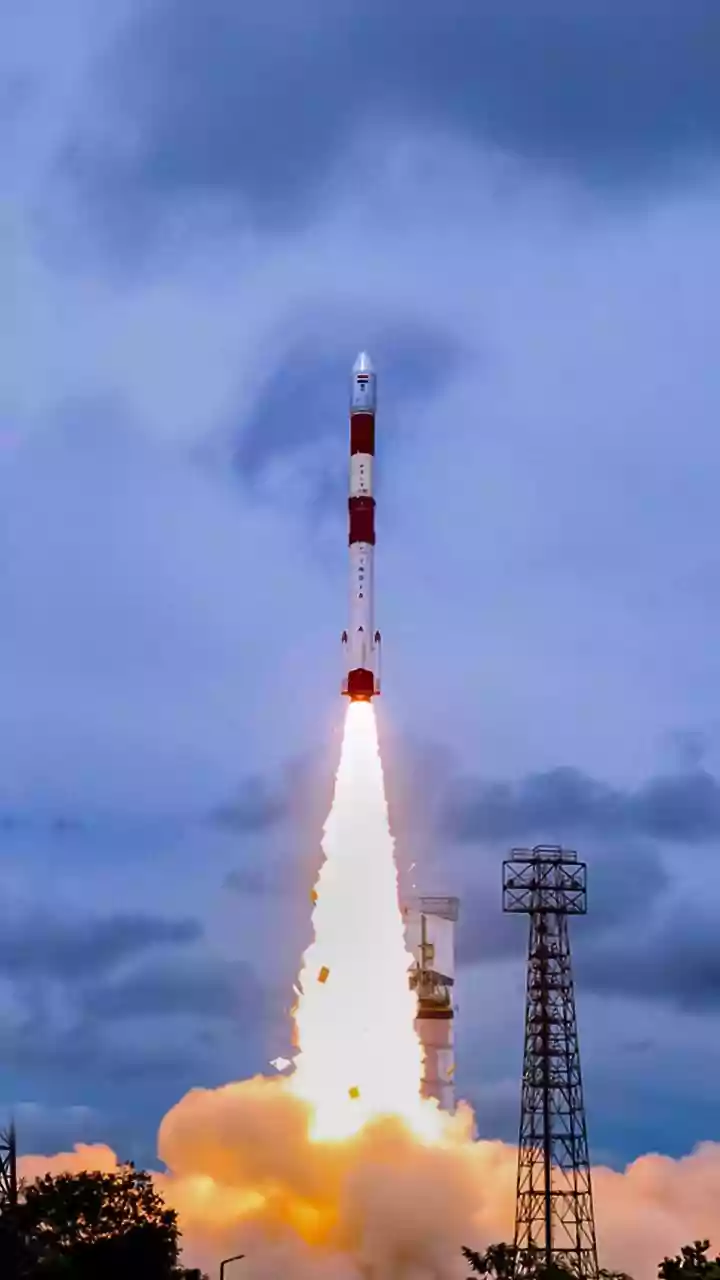
On July 18, 2026, a new chapter in Indian history was written not in a government building, but on a launchpad in Sriharikota. Skyroot Aerospace, a Hyderabad-based startup, successfully launched its Vikram-1 rocket, becoming the first private company
in India to send a vehicle into Earth's orbit. The mission, named 'Aagaman' (Sanskrit for 'arrival'), placed its payloads into a 450-km orbit and instantly put India in an exclusive club, making it only the third country after the US and China with private orbital launch capability. This achievement was more than just a technical success; it was the culmination of a dream that began just eight years prior, fueled by engineering talent and surprisingly humble financial beginnings.
From ISRO to Startup
The story of Skyroot begins with two former scientists from the Indian Space Research Organisation (ISRO), Pawan Kumar Chandana and Naga Bharath Daka. After working on some of India’s most prestigious government-led rocket programs, they saw an opportunity. The global market for launching small satellites was booming, but access to space was slow and expensive. In 2018, they founded Skyroot Aerospace with an ambitious mission: to make space accessible and affordable by building cost-effective rockets. Leaving the security of ISRO for the uncertainty of a startup, especially one in a capital-intensive field like rocketry, was a monumental risk, but one they believed was essential for India's future in space.
The Crucial Early Capital
The headline-making orbital rocket was not built overnight. In its earliest days, Skyroot operated on a shoestring budget. The company's first major infusion of capital came in its seed round, raising approximately $1.5 million (around ₹10-11 crore at the time) from early backers. This initial investment was the lifeblood that allowed Chandana and Daka to turn their vision into a tangible enterprise. It enabled them to assemble a core team, begin research, and develop the foundational technologies for their rocket engines. While a figure of ₹10 crore might sound substantial, in the world of aerospace where a single government launch can cost hundreds of crores, it represented a remarkably lean start, forcing the company to be innovative and efficient from day one.
Building the Vikram Rocket
Skyroot's strategy hinged on innovation. The company focused on developing technologies like 3D-printed engines and carbon-composite structures to reduce manufacturing time and costs. Their first major public success came in November 2022 with the launch of Vikram-S, a suborbital rocket that marked India's first-ever private rocket launch. That mission, 'Prarambh' (The Beginning), was a critical stepping stone, proving their technology and validating their approach. The Vikram-1, the orbital-class vehicle, is a far more complex machine. A multi-stage rocket named after the father of India's space program, Dr. Vikram Sarabhai, it was designed specifically to offer a 'cab service to space' for small satellite operators who wanted dedicated, on-demand launches.
From Seed Fund to Unicorn
That initial ₹10 crore was just the beginning of Skyroot's financial journey. The success of their early tests and the clarity of their business model attracted significant attention. Following their seed round, the company raised a Series A of $11 million, a landmark Series B of $51 million led by Singapore's sovereign wealth fund GIC, and eventually, a pre-Series C round. By May 2026, just before its historic orbital launch, Skyroot raised another $60 million, achieving a valuation of $1.1 billion and becoming India's first space-tech unicorn. This cascade of investment from major players like BlackRock, GIC, and Temasek demonstrated immense confidence not just in Skyroot, but in the potential of India's entire private space ecosystem.
What This Means for India
Skyroot's orbital launch is a pivotal moment for 'Make in India' and the nation's strategic ambitions. The opening of the space sector to private players in 2020 was designed to foster exactly this kind of innovation. The success of Vikram-1 proves that private Indian firms can compete on the global stage, developing complex technology from the ground up. This creates a new industry for high-tech jobs, encourages a domestic supply chain, and positions India as a competitive and cost-effective destination for launching satellites. Furthermore, having a responsive private launch capability complements ISRO's strategic missions and enhances the country's overall space infrastructure, with implications for everything from communications to national security.