






The Pillars: Foraging and Fermentation
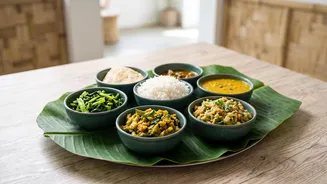
Across the eight states of Northeast India, the food is defined not by a complex spice box, but by what the land provides. The cooking philosophy is simple, with boiling, steaming, and smoking being preferred methods over heavy frying. This allows the core
ingredients to shine. Two techniques are fundamental: foraging for wild herbs and greens like fiddlehead ferns, and fermentation. Fermentation is a way of life, used to preserve food and create profound, complex flavours. Ingredients like bamboo shoots, fish, and soybeans (known as 'Axone' in Nagaland) are transformed, lending a signature pungent, umami depth to countless dishes.
Assam: A Tale of Sour and Alkaline
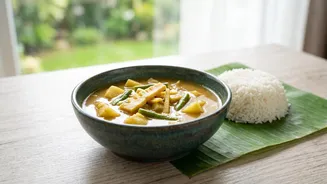
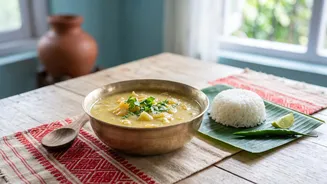
An Assamese meal often begins with 'Khar' and ends with a 'Tenga'. Khar is a unique class of dish made using an alkaline liquid filtered through the ashes of banana peels. This gives the dish, often made with raw papaya, a distinct, astringent taste that cleanses the palate. On the other end of the flavour spectrum is 'Masor Tenga', a tangy fish curry that is a staple in every Assamese home. Its signature sourness comes from ingredients like tomatoes, elephant apple (outenga), or lemon, creating a light, refreshing curry perfect for serving with steamed rice.
Nagaland: Smoke, Fire, and Funk
Naga cuisine is a bold celebration of meat, heat, and fermentation. Smoked pork is a local delicacy, a tradition born from the need to preserve meat through long winters. This smoked meat is often cooked with fermented bamboo shoots and the legendary 'Raja Mircha' or Bhut Jolokia, one of the world's hottest chillies. Another cornerstone is 'Axone', or fermented soybeans, which provides a powerful, pungent flavour to stews and chutneys. Dishes like 'Smoked Pork with Axone' combine these elements into a rich, fiery, and deeply savoury experience that is unforgettable.
Manipur: A Symphony of Freshness and Ferment
Manipuri cooking is defined by its fresh, aromatic herbs and the foundational flavour of 'Ngari'—fermented fish. A quintessential dish is 'Eromba', a chutney-like mash of boiled vegetables, chillies, and Ngari. The name itself means "mixing and stirring watery," and it's a pungent, warming dish that forms the soul of a Manipuri meal. For a fresher counterpoint, there's 'Singju', a vibrant and healthy salad. It’s made from a variety of finely chopped raw vegetables, herbs, and sometimes lotus stem, all tossed in a spicy, tangy dressing that can also feature the distinct taste of fermented fish.
Meghalaya: The Comfort of Pork and Rice
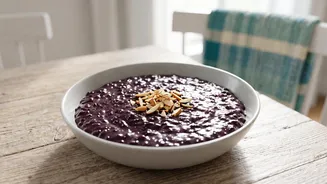
In Meghalaya, pork and rice are elevated to an art form. The most famous dish is 'Jadoh', a hearty preparation of red rice cooked with generous amounts of pork and sometimes flavoured with pork blood, giving it a rich colour and taste. It’s often compared to a pulao or biryani but uses minimal oil and a different set of aromatics like turmeric, ginger, and black pepper. 'Jadoh' is frequently served with 'Doh-Khlieh', a flavourful and refreshing pork salad. This dish consists of boiled pork, often including the head, tossed with finely chopped onions, ginger, and green chillies.
Mizoram, Tripura, and Beyond
The culinary journey continues through the other states, each with its unique specialities. In Mizoram, 'Bai' is a beloved stew, a simple and healthy dish of boiled seasonal vegetables, bamboo shoots, and pork, seasoned with local herbs. It’s the ultimate Mizo comfort food. Tripura’s cuisine features 'Berma', a dried and fermented fish that is a key ingredient in many dishes like 'Muya Awandru', a gravy made with bamboo shoots and rice flour. In Arunachal Pradesh and Sikkim, the Himalayan influence is clear in popular dishes like 'Thukpa', a hearty noodle soup, and a love for various types of momos. Sikkim also offers 'Phagshapa', a dish of pork fat stewed with radishes and chillies, and 'Gundruk', fermented leafy greens with a tangy flavour.