




The Hormuz Impasse
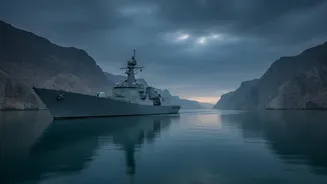
The most immediate flashpoint in US-Iran tensions is the Strait of Hormuz, a vital artery for global oil shipments. Recent statements from Washington suggest a deal to reopen the waterway is close, with officials hopeful for a swift return to normalized
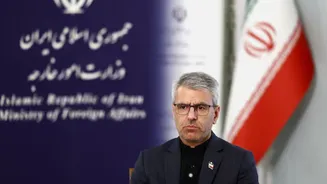
shipping. However, Tehran has pushed back, denying that direct negotiations with the US are even taking place. This disconnect reveals the core of the problem. While the US seeks a simple return to "freedom of movement," Iran, in talks with Oman, has reportedly proposed a system of controlled routes and "service fees." A US official quickly dismissed the Iranian description as "not accurate," illustrating how the two sides are not just in disagreement but are operating in different conceptual realities. For the world, it’s a dangerous stalemate over a critical chokepoint; for the negotiators, it’s the first of many hurdles where basic terms mean vastly different things to each party.
A War Over Words
The vulnerability of the talks goes far beyond the Hormuz issue. It is embedded in the very language of diplomacy. Analysts point to a June 2026 Memorandum of Understanding (MoU) as a prime example of this ambiguity. Washington interpreted the text as a commitment from Iran to fully reopen the strait, whereas Tehran believed the agreement explicitly preserved its authority over the waterway. This is how a supposed agreement becomes just another source of conflict. The mistrust is so granular that, according to one diplomat, a 45-minute debate erupted over whether a clause should use the word “including” or “etc.” When a simple conjunction can stall negotiations, it signals that the problem isn't just about policy differences. It's about a fundamental belief on both sides that the other will exploit any linguistic loophole to its advantage. This forces negotiators into a defensive posture, fighting over semantics because they cannot trust the spirit of the agreement.
The Ghost of the JCPOA
To understand the depth of this mutual distrust, one must look back to the 2015 nuclear deal, known as the Joint Comprehensive Plan of Action (JCPOA). From Tehran's perspective, the deal is proof of American unreliability. After Iran agreed to limit its nuclear program, the United States unilaterally withdrew from the agreement in 2018 under the Trump administration and reimposed crippling sanctions. This act convinced Iranian leaders that any American promise is only valid until the next election. From Washington's viewpoint, Iran’s subsequent ramp-up of uranium enrichment and its continued ballistic missile program prove that its compliance is merely tactical, not a genuine commitment to non-proliferation. This dynamic has trapped both nations in a classic diplomatic dilemma: neither side is willing to make the first major concession, fearing the other will take advantage without reciprocating. This history hangs over the current talks, poisoning the well before a single new proposal is made.
Playing to the Home Crowd
The negotiators in the room are not free agents; they are constrained by powerful political forces back home. In both Washington and Tehran, hardliners view any potential compromise as a sign of weakness and a dangerous concession to an untrustworthy enemy. Iran's Assembly of Experts, a powerful clerical body, has publicly warned against placing any trust in the United States, which it labels a "bullying regime." For Iranian President Masoud Pezeshkian, any deal must be seen as a victory that secures national rights, and he has spoken of the need to "make the enemy abide by what it signed." Similarly, the American administration faces pressure not to appear soft on Iran, especially with domestic political considerations looming. This internal pressure on both sides limits the flexibility of their diplomats, forcing them to maintain tough public stances that reinforce the cycle of distrust and make genuine breakthroughs incredibly difficult to achieve.