



The Case for Walking: More Than Just Steps
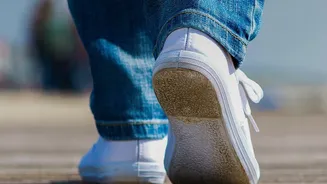
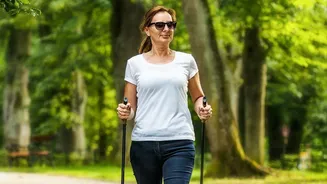
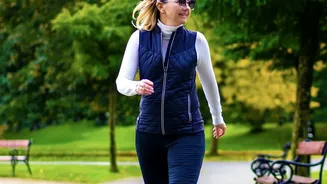
Walking's greatest strength is its accessibility. It's free, requires no special equipment beyond a good pair of shoes, and can be done almost anywhere. As a weight-bearing, low-impact exercise, it's a fantastic starting point for beginners, older adults,
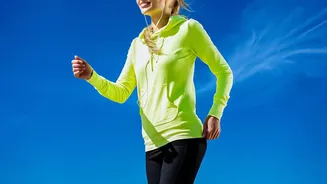
or those returning to fitness. Its primary benefits are cardiovascular; a brisk 30-minute walk most days can increase heart and lung fitness, strengthen bones, reduce excess body fat, and lower the risk of conditions like heart disease, stroke, and type 2 diabetes. Beyond the physical, walking has a powerful effect on mental well-being, helping to reduce stress and improve mood, especially when done outdoors. While it may seem simple, a consistent walking routine builds endurance and can be a significant tool for weight management.
The Power of Pilates: Building a Strong Foundation
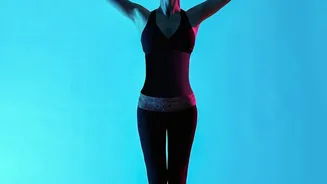
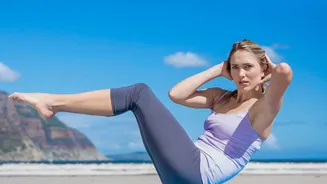
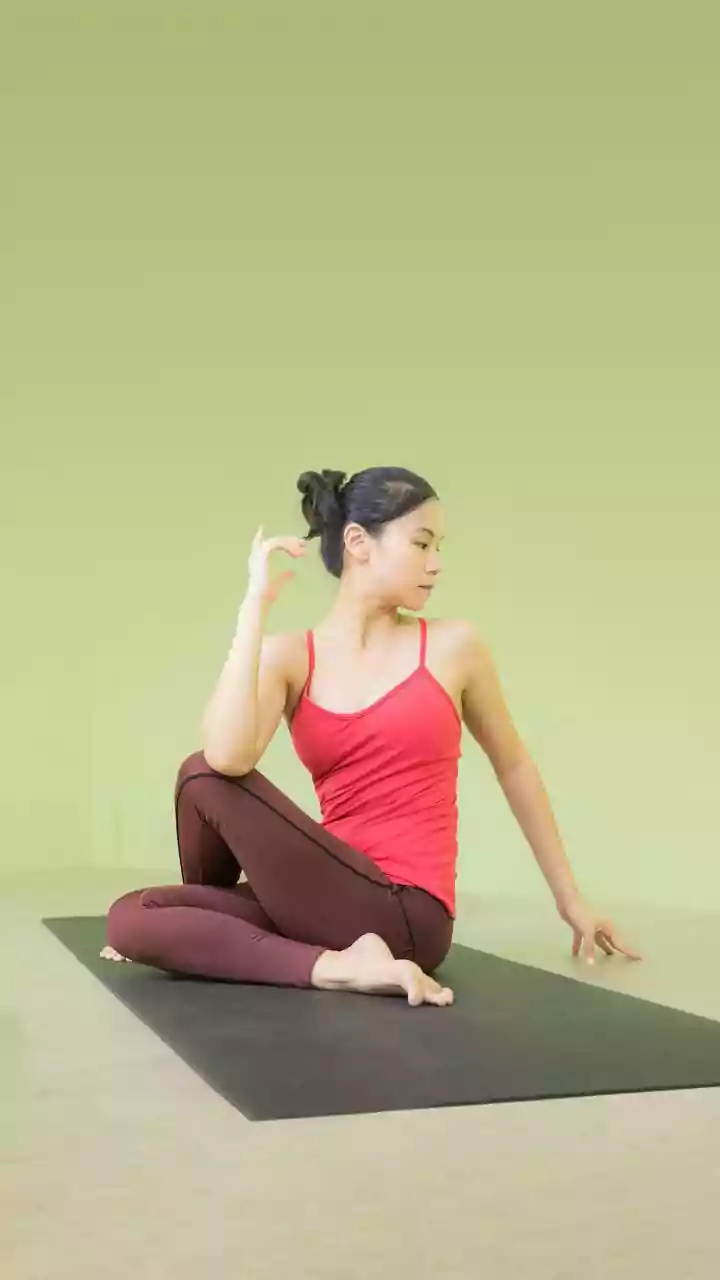
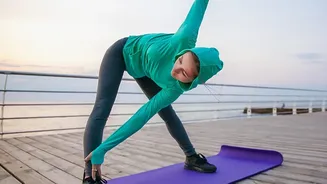
Pilates is a system of controlled, precise movements designed to build core strength, improve flexibility, and enhance body awareness. Often called the body's "powerhouse," the core includes the deep abdominal muscles, lower back, hips, and glutes, all of which are crucial for stability and posture. Unlike walking, which primarily involves forward motion, Pilates works the body in multiple planes of movement, targeting stabilizer muscles that are often neglected in other forms of exercise. This focus on balanced muscular strength helps correct postural imbalances, making it a highly recommended exercise for managing and preventing back pain. It is low-impact but highly effective for toning muscles and improving the mind-body connection through concentrated breathing and movement.
Safety and Form: Where Things Go Wrong
While both exercises are safe, poor form can lead to injury. With walking, common mistakes include overstriding (taking steps that are too long), which puts stress on the knees, or walking with your head down, which can strain the neck and back. A flat-footed gait, where you don't roll from heel to toe, can also cause issues. It’s important to walk with an upright posture and use a natural arm swing. For Pilates, the main risk comes from moving too quickly and using momentum rather than muscle control, or pushing beyond your flexibility limits. Because the exercises are so specific, having a qualified instructor is crucial, especially for beginners. An instructor ensures you are engaging the correct muscles and maintaining proper spinal alignment to prevent strain. Listening to your body and avoiding any movement that causes sharp pain is essential for a safe practice.
Goals and Gains: Which Is Right for You?
The better choice truly depends on your individual goals. For cardiovascular health and weight loss, walking is often more effective at burning calories during the activity itself. However, by building lean muscle, Pilates can boost your metabolism over the long term. For those specifically looking to improve posture, alleviate back pain, and increase flexibility, Pilates offers more targeted benefits. Its focus on core stabilization provides a strong foundation that can actually improve your walking form and reduce the risk of injury. If you're a beginner, walking is easier to start independently, whereas Pilates benefits greatly from initial professional instruction to master the foundational techniques.
Better Together: A Complementary Approach
Rather than viewing it as a "versus" situation, the most effective approach is to see walking and Pilates as the perfect duo. Walking provides the aerobic conditioning that Pilates generally lacks, while Pilates builds the core strength, balance, and flexibility that walking doesn't target. Strengthening your core and improving your posture through Pilates can make your walks more efficient and safer. A balanced routine could involve walking several times a week for heart health and calorie burn, supplemented with two or three Pilates sessions to work on strength, alignment, and mobility. This combination addresses nearly all facets of physical fitness, creating a resilient, well-rounded body prepared for daily life and healthy aging.