







A Major Snack Maker Under the Scanner
The Food Safety and Standards Authority of India (FSSAI) has recently intensified its scrutiny of snack manufacturers, with significant action taken against CG Foods India Private Limited. In early September 2026, the regulator ordered the company to halt
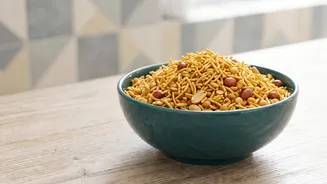
production of its 'veg bhujia namkeen' at its facility in Ajmer, Rajasthan. This directive followed an inspection that uncovered multiple serious violations of food safety regulations. The move sends a clear signal to the entire industry that compliance is non-negotiable, particularly for household staples like bhujia and other savoury snacks.
What Did FSSAI Inspectors Find?
The findings at the Ajmer facility were alarming. FSSAI officials reported that the unit was reprocessing broken noodles that had been collected from the floor and turning them into bhujia products without proper heat treatment. This practice poses a significant risk of contamination. Furthermore, the inspection revealed unlicensed manufacturing of certain bhujia variants, including 'Wai-Wai MaMa' and 'Wai-Wai Mama Punte'. The company was also accused of using predated packaging, a serious breach of labelling rules. Inspectors documented several other hygiene and safety deficiencies, such as inadequate pest control records. As a result, FSSAI seized over 32,000 kg of stock, including loose noodles, and detained nearly 2,000 boxes of expired finished goods.
Part of a Broader Food Safety Push
This specific action is not an isolated incident but part of a wider, more aggressive push for food safety across India. In recent months, FSSAI and state-level food departments have been conducting numerous raids and inspections, targeting everything from local eateries to major packaged food companies and quick-commerce warehouses. This unprecedented crackdown has brought issues like hygiene, adulteration, and accurate labelling into the national spotlight. Consumers have long voiced concerns about food safety, and these regulatory actions appear to be a direct response, with FSSAI often publicizing its findings to increase awareness and pressure businesses to improve standards.
New Labelling Rules on the Horizon
Beyond factory inspections, the FSSAI is also tackling how nutritional information is presented to consumers. The regulator is moving forward with a proposal for mandatory front-of-pack warning labels. Soon, packages of foods high in salt, sugar, or fat could feature a prominent red hexagonal symbol with warnings like "HIGH SALT" or "HIGH SUGAR". This initiative aims to help consumers make healthier choices at a glance, without having to decipher complex nutritional tables on the back of the pack. The proposal is part of a larger strategy to combat the rise of non-communicable diseases linked to diet. While health advocates support the move, some industry groups, including the Federation of Sweets and Namkeen Manufacturers, have expressed concern that these labels could negatively impact a wide range of traditional products where salt and fat are integral ingredients.
What Consumers Should Look For
While regulators are stepping up enforcement, consumers can also play a role in ensuring the food they eat is safe. The recent case highlights the importance of buying snacks from reputable and licensed manufacturers. Always check the packaging for a valid FSSAI license number, a clear manufacturing date, and an expiry date. Avoid products with damaged or tampered packaging. The upcoming front-of-pack labels, once implemented, will provide an even simpler tool for identifying products that are high in salt, sugar, and fat. For now, being a vigilant shopper and paying attention to brand reputation and packaging integrity are the best ways to enjoy your favourite namkeens safely.