







For most city dwellers, the daily reality is a symphony of car horns, traffic jams, and polluted air. But a global movement is pushing back, reclaiming urban cores for people, not just cars, by implementing ambitious traffic restrictions.
Why Cities Are Hitting the Brakes on Cars
For much of the
20th century, urban planning revolved around the automobile. Wider roads and more parking were seen as signs of progress. Today, that model is being challenged. Cities are increasingly recognising that car-centric design contributes to a host of problems: poor air quality, noise pollution, traffic accidents, and a lack of community-focused public space. By restricting vehicle access in central areas, urban planners aim to reverse these trends. The goal isn't just to be 'anti-car' but 'pro-people', creating environments that are safer, healthier, and more socially vibrant. This shift encourages active transport like walking and cycling, which has proven health benefits, including reducing obesity and type-2 diabetes.
The Global Blueprint for People-First Spaces
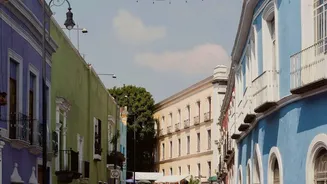
Numerous cities worldwide provide a blueprint for this transformation. Pontevedra, a city in northwestern Spain, is a pioneering example. In 1999, it began pedestrianising its entire 300,000-square-metre medieval centre. The results have been staggering: CO2 emissions fell by over 70%, and there have been no traffic-related fatalities in the city centre since 2011. The city, once in decline, has attracted 12,000 new residents. Barcelona has implemented its famous 'Superblocks' (Superilles) program, which groups several city blocks and restricts through-traffic to the perimeter. Inner streets are converted into pedestrian-priority zones with green spaces and playgrounds. In the Sant Antoni Superblock, this led to a 33% reduction in nitrogen dioxide levels and a significant drop in noise pollution. Even in the car-centric United States, cities are making changes. New York City’s transformation of Times Square and parts of Broadway from congested arteries into pedestrian plazas reduced traffic injuries by 63% and boosted pedestrian foot traffic.
The Economic and Social Windfall
A common fear is that restricting car access will harm local businesses. However, evidence consistently shows the opposite. Pedestrian-friendly streets often lead to increased foot traffic and higher retail sales. In Barcelona’s Poblenou Superblock, the number of local businesses increased by 30%. Studies have found that people who walk or cycle to shopping areas tend to visit more often and spend more money over time. These revitalised zones also become tourist draws, further boosting the local economy. Socially, the benefits are just as significant. Car-free spaces encourage social interaction, providing safe areas for children to play and for neighbours to connect. By replacing the noise and danger of traffic with public benches, green spaces, and cultural events, cities foster a stronger sense of community.
Navigating the Roadblocks to Implementation
Despite the clear benefits, the path to pedestrianisation is not without its challenges. One of the biggest hurdles is changing infrastructure that was designed entirely around cars. Public perception and political will are also crucial; initial opposition from residents and business owners fearing loss of access or customers is common. Another critical issue is ensuring accessibility. A car free zone must be supported by a robust and reliable public transport system to serve commuters and those with limited mobility. Without this, traffic problems may simply be displaced to surrounding areas. Planners must also address concerns about gentrification, as newly desirable areas can see property values rise, potentially displacing longterm residents and small businesses.
The Indian Context: Challenges and Opportunities
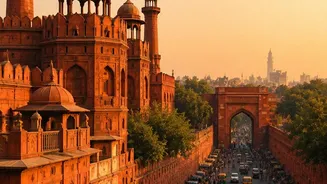
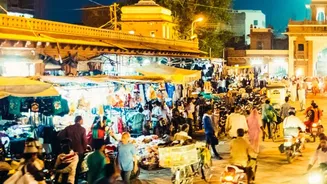
In India, with its densely populated and vibrant city centres, the concept of pedestrianisation offers both unique opportunities and significant hurdles. The redevelopment of Delhi's Chandni Chowk is a prominent example, where a historic and chaotic boulevard was transformed into a pedestrianpriority zone to decongest traffic and restore its heritage character. The project aimed to improve the user experience and has had a positive economic and social impact. Similar initiatives are being explored in cities like Varanasi and Amritsar, where walkability is seen as a way to revitalise cultural and economic life. However, implementation in India must contend with challenges like high population density, the sheer volume of twowheeler traffic, and the needs of countless street vendors who are integral to the urban economy. Successful projects require careful planning, stakeholder participation, and integrated solutions that include better public transport connectivity and organised vending zones.