


More Than Just a Race
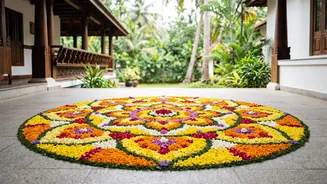
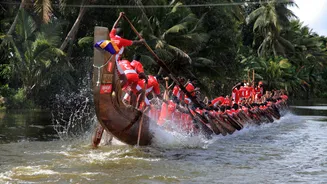
The snake boat race, known locally as Vallam Kali, is the heart of Kerala’s Onam festival celebrations. Onam, a harvest festival celebrated in August or September, marks the homecoming of the mythical King Mahabali. The boat races add a layer of thrilling
energy to the festivities, symbolizing everything from ancient naval warfare to village unity and spiritual devotion. While some races are fiercely competitive, others, like the historic Aranmula Uthrittathi Vallamkali, are more of a ritual. At Aranmula, the race is considered a religious procession to honor Lord Krishna of the local Parthasarathy Temple, commemorating a legend where snake boats protected a sacred offering. This blend of competition and reverence makes the season a unique cultural phenomenon, drawing massive crowds to the riverbanks.
The Anatomy of a Serpent
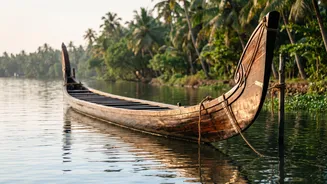
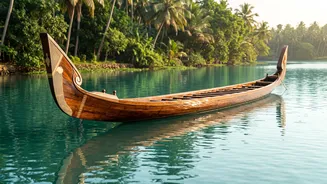
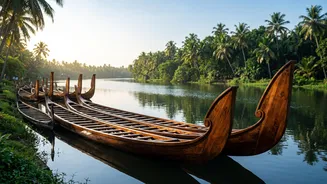
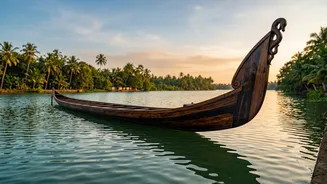
The star of the show is the Chundan Vallam, or snake boat. These magnificent vessels are marvels of traditional craftsmanship, often measuring over 100 feet long. Their name comes from their distinct shape, with a long, slender body and a high, curved stern resembling the hood of a cobra. Historically, these were war boats, designed in the 14th century for swift navigation through Kerala's intricate waterways during conflicts between local kings. Today, their purpose has shifted from battle to sport, but their construction remains a respected art. Built from woods like Anjili (wild jackfruit tree), each boat is a symbol of a village's pride, with the secrets of its construction often closely guarded.
A Symphony of Strength
A snake boat in motion is a breathtaking display of human coordination. Each boat carries a crew of around 100 to 120 people, including oarsmen, helmsmen, and singers. The oarsmen, sitting in two rows, must paddle in perfect, synchronized harmony, a feat that requires weeks of rigorous training. Their rhythm is set by the vanchipattu, or boat songs, chanted by singers on board. These songs, with their rolling meters, not only guide the oars' tempo but also tell stories of gods and local heroes, their sound echoing across the water and energizing both the crew and the cheering spectators. The result is a powerful, unified force propelling the massive boat through the water at incredible speeds.
The Crown Jewel: Nehru Trophy
Among the dozens of races held during the season, the Nehru Trophy Boat Race in Alappuzha is the most famous and fiercely competitive. Held on Punnamada Lake on the second Saturday of August, it attracts an international audience. The race's origin dates to 1952, when India's first Prime Minister, Jawaharlal Nehru, visited the region. He was so enthralled by an impromptu boat race held in his honor that he jumped into the winning boat, Nadubhagam Chundan. Upon his return to Delhi, he donated a silver trophy shaped like a snake boat, which became the coveted Nehru Trophy. The 72nd edition, held on August 22, 2026, saw Aroma Chundan clinch the title in a nail-biting finish.
A Tradition in Motion
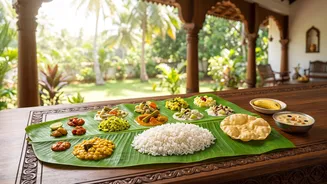
Beyond the competition, the snake boat races are a powerful expression of community life. Entire villages rally behind their boat, with the pride of the community resting on the shoulders of the rowers. During the training period, people from all backgrounds—fishermen, farmers, and others—come together to support the team, often hosting feasts that unite Hindus, Christians, and Muslims. This spirit of cooperation is the true essence of Vallam Kali. It transforms the backwaters from mere waterways into a grand stage for a vibrant celebration of heritage, teamwork, and the unbreakable bond between the people of Kerala and their environment.