


1. Naturally-Dyed Linens with Spices
Give plain cotton napkins, tea towels, or pillowcases a new lease on life with vibrant, natural dyes made from common kitchen spices. Turmeric creates a brilliant yellow, paprika lends a soft orange, and used coffee grounds or black tea can produce rich
brown and tan shades. To start, you'll need a large pot, water, white vinegar, and your chosen spice. For plant-based fabrics like cotton or linen, a salt fixative can help the color set. Simmer your fabric in a mixture of one part vinegar to four parts water for about an hour. In a separate pot, bring water and your spice to a simmer to create the dye bath. Submerge the wet fabric into the dye and let it steep for at least an hour, or longer for a deeper hue. Remember that colours will appear lighter when dry. Rinse the fabric in cold water and let it air dry completely.
2. Decorative Herb-Infused Oils
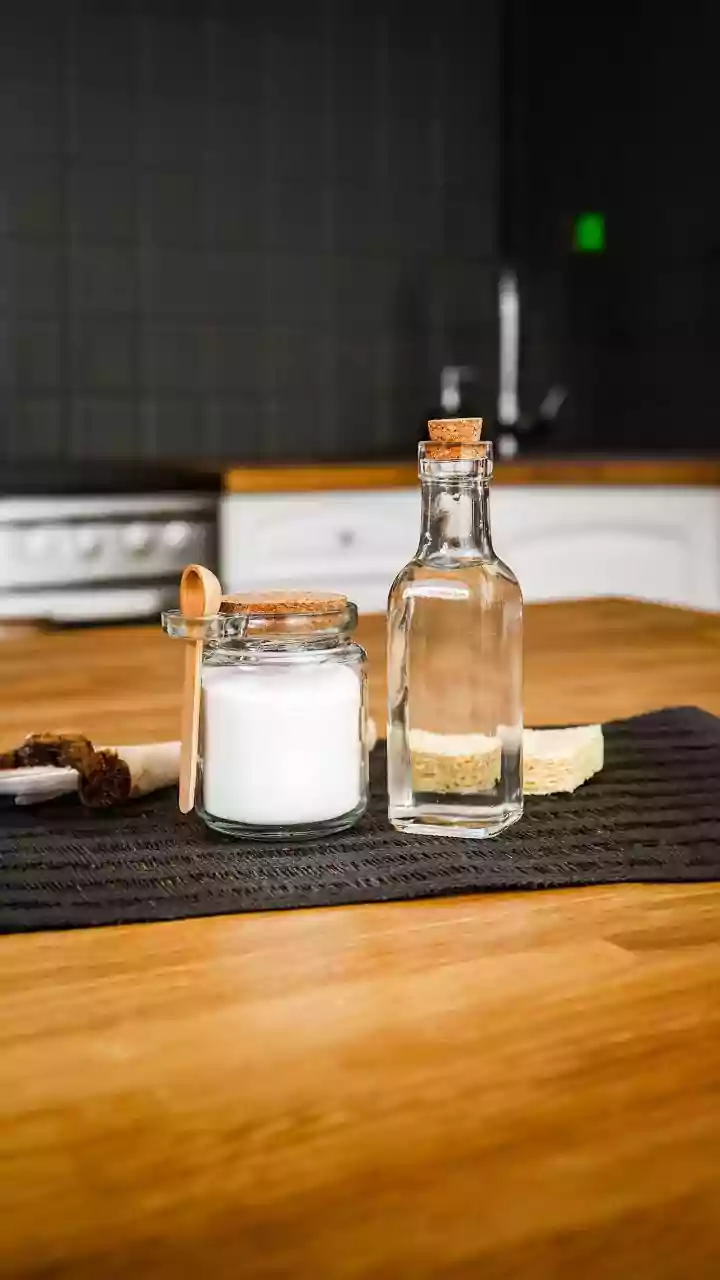
This project is as simple as it is elegant, creating a rustic, farmhouse-style accent perfect for a kitchen shelf or windowsill. All you need is a clear glass bottle with a cork or stopper, some light-coloured oil (like sunflower or grapeseed oil), and your choice of dried herbs and spices. Think whole rosemary sprigs, thyme, chilli flakes, peppercorns, or star anise. Carefully layer your chosen botanicals inside the clean, dry bottle. Using a funnel, slowly pour the oil over the herbs until the bottle is full. The oil will magnify the contents, creating a beautiful visual. These decorative bottles capture a snapshot of the kitchen's flavours and look stunning when grouped in various shapes and sizes. While the oil will be infused with flavour, it's best to use these for display purposes only unless you follow specific food-safe infusion practices.
3. Textured Wall Art with Coffee and Grains
Create stunning, high-end-looking textured art using materials you'd normally throw away. Used coffee grounds, mixed with a bit of paint or glue, can be spread on a canvas to create a rich, earthy texture. For a different effect, use whole ingredients like lentils, split peas, or rice. Start with a blank canvas or a sturdy piece of cardboard. Sketch out a simple abstract design or geometric shape. Apply a layer of craft glue or a thick paint medium to one section at a time and sprinkle your chosen ingredient over it. You can create colour-blocked designs with different grains or mix them for a more organic feel. Once dry, you can either leave the colours natural or paint over the entire piece in a single, neutral tone like white or beige to emphasize the texture. This is a wonderfully tactile project that adds a unique, sculptural element to your walls.
4. Upcycled Glass Jar Organisers
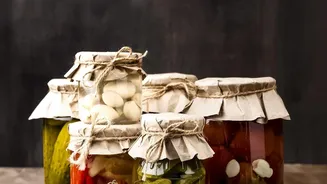
Don't recycle those empty jam, pickle, or sauce jars just yet. With a little creativity, they can become stylish and practical storage solutions. First, thoroughly clean the jars and remove any sticky labels. For a uniform look, you can spray paint the outside of the jars in a colour that matches your decor. A matte black, white, or a metallic gold can instantly make them look chic and modern. Use them on your desk to hold pens and pencils, in the bathroom for cotton balls and makeup brushes, or in the kitchen for utensils. For a different style, wrap the jars in twine or decorative fabric. You can also paint the lids and glue on small knobs or plastic toys to create charming candy or treat jars.
5. Coffee or Tea-Stained Paper Art
Ageing paper with coffee or tea is a classic craft for a reason: it's easy, effective, and yields beautiful results. This technique is perfect for creating vintage-style art prints, letters, or maps. Brew a strong batch of coffee or tea and let it cool. Pour it into a shallow baking dish. Submerge your paper—a thicker-weight paper works best—for a few minutes. For a more uneven, authentically aged look, crumple the paper into a ball before soaking it, or sprinkle instant coffee grounds directly onto the wet sheet. Carefully remove the paper and let it dry completely on a flat, protected surface. Once dry, you can frame the beautifully stained paper as abstract art or use it as a background for calligraphy, drawings, or pressed flowers.