




The Tyranny of the Perfect Trip
Remember the last time you planned a holiday? It probably involved spreadsheets, booking confirmations, and a multi-tab browser window comparing restaurant reviews. Modern travel, for many, has become a project to be managed. Driven by the desire to optimise
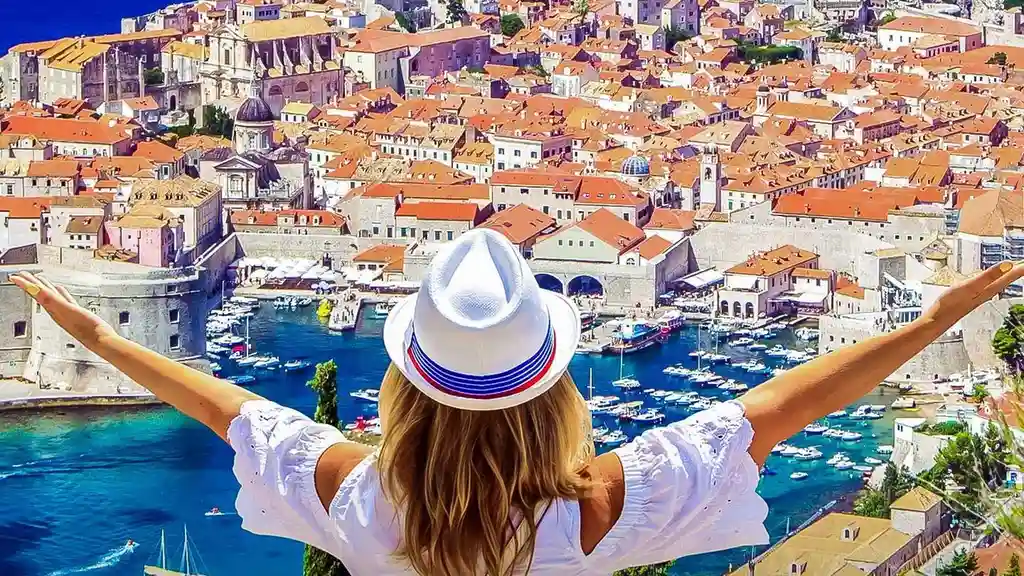
every moment and capture the perfect social media post, we often create itineraries that leave little room for magic. This pressure to 'do it all' can transform a much-needed break into a performance, a checklist of experiences rather than a genuine escape. The result is often exhaustion, not rejuvenation, as we return home needing a vacation from our vacation.
What is Purpose-Free Travel?
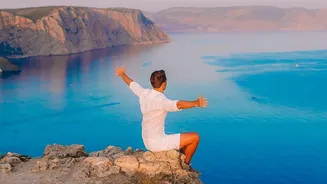
Purpose-free travel is the antidote to this optimisation obsession. It's not about having no interests; it's about having no agenda. The core idea is to arrive at a destination with minimal plans, allowing curiosity and serendipity to be your guides. Instead of a pre-booked food tour, you might wander into a local market and eat what smells good. Instead of a museum schedule, you might follow an interesting-looking street to see where it leads. This philosophy champions aimless wandering, spontaneity, and being present in the moment. It swaps the goal of seeing specific sights for the simpler goal of experiencing a place authentically.
The Psychological Payoff
Letting go of a rigid plan has profound psychological benefits. Studies and experts note that spontaneity can reduce stress and improve mental well-being by freeing us from the pressure of a schedule. When you travel without a fixed plan, you engage a different part of your brain. This fosters divergent thinking, a state that enhances creativity by allowing for new and unexpected connections. It also builds resilience and adaptability, as you learn to navigate new situations on the fly. More importantly, it allows for genuine cultural immersion, creating opportunities for authentic interactions that can't be scheduled.
The Rise of the 'Nothing-cation'
The idea is gaining mainstream traction under various names. Trend reports from travel companies have highlighted the rise of the 'nothing-cation,' where the primary goal is relaxation and doing absolutely nothing. A 2023 Expedia survey found that a staggering 96% of travellers wanted to dedicate part of their next trip to simply relaxing, with 62% stating that 'doing nothing' was their favourite part of a vacation. This movement is a direct rebellion against the post-pandemic 'revenge travel' surge, which saw people trying to make up for lost time with action-packed trips. Now, travellers are realising that true rest comes from emptying the calendar, not just changing the scenery.
How to Embrace Aimlessness
Adopting a purpose-free mindset doesn't mean being reckless; it's about shifting your priorities from planning to presence. Start small: book your flights and your first night's accommodation, but leave the rest open. When you arrive, take a walk without a map. Spend an afternoon in a local cafe simply observing daily life. Talk to shopkeepers or waiters and ask for their recommendations. The key is to be open to unplanned detours and delightful surprises. It’s about trusting that the most memorable moments of a trip are often the ones you could never have planned.