






The Return of the Entry-Level Buyer
For the first time since the pandemic, the entry-level car buyer is making a decisive comeback. Recent industry data shows a remarkable increase in their market share, providing a much-needed boost to the auto sector. Maruti Suzuki, the country's largest
carmaker, reported that first-time buyers accounted for 54% of its sales between April and August, a significant jump from 42% in the same period last year. This is the most substantial increase seen in this demographic in years. Other major players like Tata Motors have also seen a 6-7% rise in this segment, signaling a widespread trend. This return is crucial because it indicates a broadening of the market, moving beyond just upgrades and additional car purchases by existing owners, and suggests a renewed momentum towards mass motorization in the country.
How Lower Taxes Ignited the Spark
A key catalyst for this revival is the government's revision of the Goods and Services Tax (GST) structure, which took effect in September 2025. Under the new 'GST 2.0' reforms, small cars—defined as those under four meters in length with petrol engines up to 1200cc or diesel engines up to 1500cc—saw their tax rate drop from 28% to a more affordable 18%. For larger cars and SUVs, the structure was simplified to a flat 40% rate, removing the complex cess system. This tax rationalization has directly lowered the upfront cost of entry-level vehicles, making them more accessible for price-sensitive buyers. According to industry data, sales of vehicles in the 18% GST slab grew by 29% in the April-August period, far outpacing the 21% growth seen in the 40% tax bracket.
The Small Cars Leading the Charge
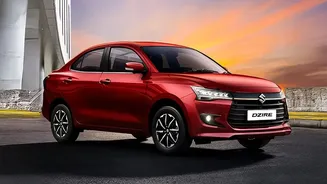
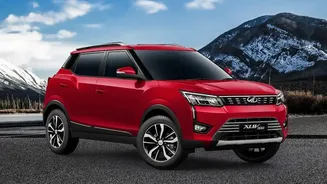
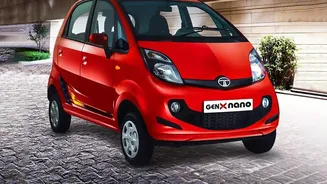
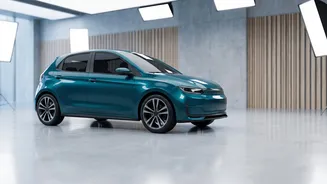
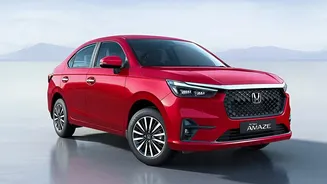
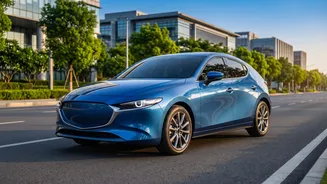
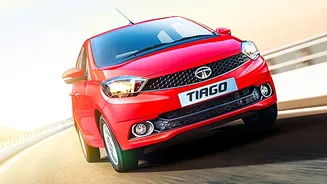
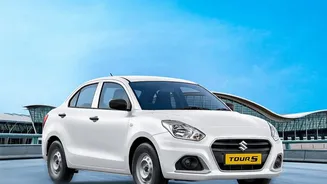
The impact of the lower tax burden is clearly visible in the sales figures of specific models. Maruti Suzuki's mini-segment, featuring the Alto and S-Presso, saw sales surge by an incredible 96% between April and August. The category of cars benefiting from the 18% GST includes some of India's most popular and trusted models, such as the Maruti WagonR, Tata Punch, and Mahindra Bolero. These vehicles offer a compelling combination of affordability, fuel efficiency, and practicality, making them ideal first cars for many Indian households. While the craze for SUVs continues, the revival of these foundational hatchback and compact models demonstrates a healthier, more balanced market where growth is happening at both the entry-level and premium ends.
Economic Confidence and Changing Priorities
Beyond tax cuts, the trend reflects growing economic stability and positive consumer sentiment. India’s GDP is maintaining healthy growth, which boosts disposable income, particularly in rural and semi-urban areas that are key markets for small cars. The sustained need for personal mobility, a trend that gained prominence during the pandemic, continues to influence purchasing decisions. With improved affordability, many families and young professionals who had previously postponed their purchase are now entering the market. Furthermore, better availability of financing options and more stable interest rates have lowered the barrier to entry, making the dream of owning a car a reality for a wider audience.
The Road Ahead for Automakers
This resurgence of first-time buyers and small cars is a significant development for automakers. It validates the strategy of maintaining a strong portfolio of entry-level models, a segment some had feared was in permanent decline. For manufacturers, it signals a renewed focus on value, efficiency, and accessibility. Maruti Suzuki's Chairman, R.C. Bhargava, has noted that the small car segment is now expected to grow faster than it has in the past five years. Companies are responding by not only celebrating the renewed demand but also by planning new launches and updates in the compact and sub-compact space to capture this re-emerging customer base. This ensures that the first step on the ladder of car ownership remains robust, feeding the entire automotive ecosystem for years to come.