



The Ghost as a Flagship
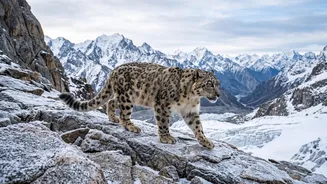
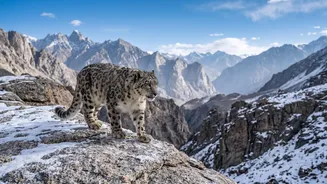
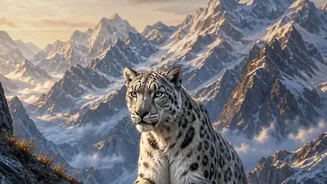
A 'flagship species' is an animal that acts as a symbol for a broader environmental cause. The snow leopard is the perfect ambassador for the fragile trans-Himalayan ecosystem. Because these apex predators require vast, healthy territories with abundant
prey like blue sheep and ibex, protecting them means protecting the entire landscape. Efforts to conserve the snow leopard, therefore, have a cascading effect, preserving the high-altitude wetlands, grasslands, and the water sources that are vital for millions of people downstream. India's 'Project Snow Leopard', launched in 2009, embraces this philosophy, focusing on landscape-level conservation rather than just isolated parks, recognising that the cat's habitat often overlaps with human communities.
Hemis National Park: The Epicentre
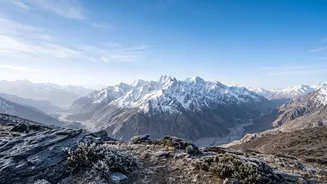
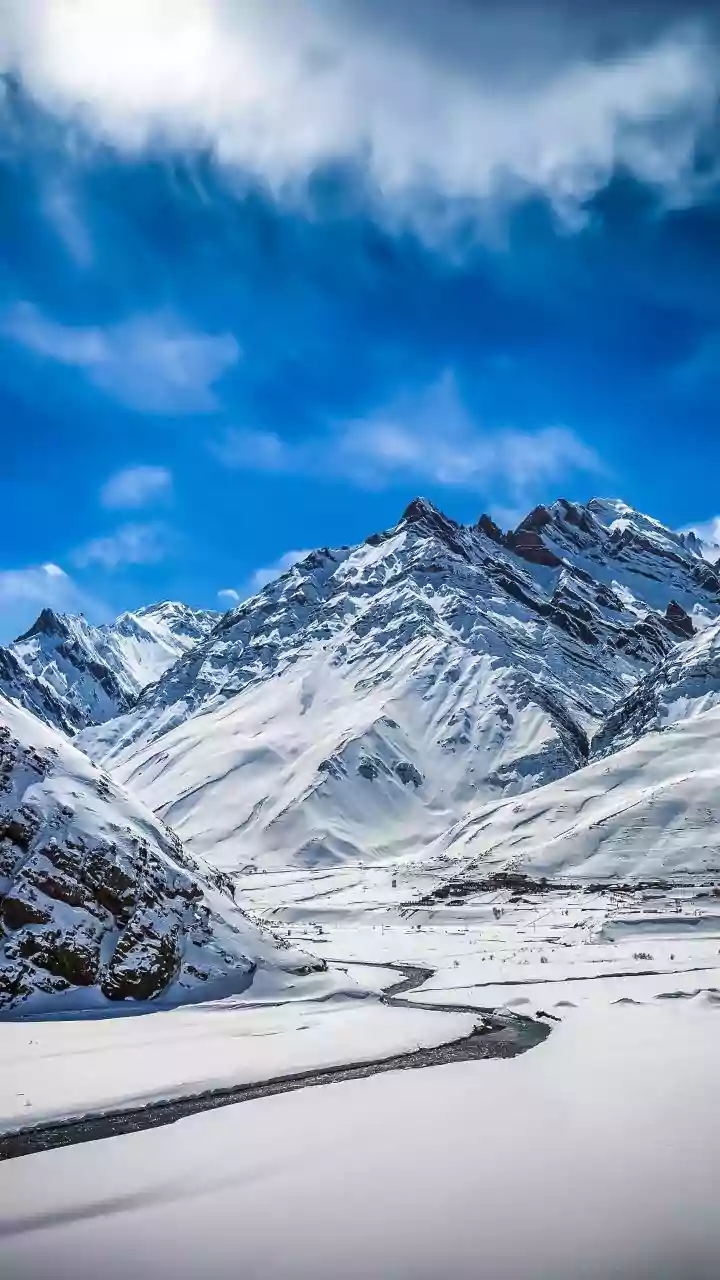
The heart of India's snow leopard tourism is Hemis National Park in Ladakh. As India's largest national park, it boasts one of the highest documented densities of snow leopards in the world. The park's rugged terrain of steep, rocky valleys provides the perfect camouflage and hunting ground for the cat. Most safari expeditions focus on specific valleys within or near the park, such as Rumbak, Shang, and Uley, which have become renowned for frequent sightings. The best time for a safari is during the harsh winter months, from November to March. During this period, heavy snowfall pushes the leopard's primary prey, the blue sheep, to lower altitudes, and the predators follow them down, making them more accessible to patient observers.
A Community-Powered Safari
What makes Ladakh's safari model truly special is its deep integration with local communities. For generations, the snow leopard was often seen as a threat to livestock, leading to human-wildlife conflict. Conservation organisations like the Snow Leopard Conservancy India Trust (SLC-IT) have worked for years to change this dynamic. They helped establish community-based ecotourism, primarily through a network of village homestays. Tourists stay with local families, providing them with a direct income from conservation tourism. This creates a powerful incentive for villagers to protect the snow leopards, transforming them from pests into valuable 'ornaments of the mountains'. Many of the most skilled wildlife trackers and guides are local men from these villages, whose intimate knowledge of the terrain is indispensable for a successful sighting.
What a Safari Entails
A snow leopard safari is not for the faint of heart. It is a physically demanding adventure that requires a good level of fitness. The journey begins in Leh, where visitors must spend a few days acclimatising to the high altitude, which is over 3,500 metres. Temperatures in winter can plummet to well below -20°C. The core of the experience involves daily treks or drives into the valleys, followed by long hours of scanning the rocky slopes with binoculars and spotting scopes, led by expert trackers. Recently, the Ladakh administration launched India's first official high-altitude wildlife safari, introducing specially designed vehicles for certain routes to make the experience more organised and to prevent illegal off-roading. While sightings are never guaranteed, the combination of prime habitat and expert local trackers gives Ladakh an exceptionally high success rate.