







The Dangerous Trap of a Single Label
In the quest for healthier eating, it’s easy to get drawn in by the promises on the front of a package. Labels like 'low-fat,' 'sugar-free,' or 'gluten-free' can create a 'health halo,' making us believe a product is good for us without looking closer.
But these labels often don't tell the whole story. Remember the low-fat craze? Many products stripped of fat were pumped full of sugar and refined carbohydrates to make them taste good, contributing to other health issues. Similarly, a 'gluten-free' cookie is still a cookie, often made with refined flours and sugars that can be lower in fibre than their whole-grain counterparts. This single-minded focus on avoiding one ingredient or nutrient can cause us to overlook the overall nutritional value—or lack thereof—of what we're eating. It simplifies nutrition to a game of 'good' versus 'bad' ingredients, which is rarely how our bodies work.
Shifting Focus: What Are 'Quality' and 'Pattern'?
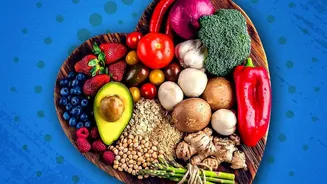
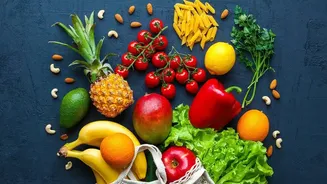
So, if labels aren't the answer, what is? Nutrition science is increasingly pointing toward two key concepts: food quality and overall dietary pattern. 'Food quality' refers to eating foods that are as close to their natural state as possible. Think whole or minimally processed foods: fresh fruits and vegetables, whole grains, legumes, nuts, and seeds. These foods are packed with the fibre, vitamins, and minerals our bodies need, without the added sugars, sodium, and chemical additives often found in ultra-processed items. 'Dietary pattern' is the big-picture view—it’s the combination of all the foods and drinks you consume over weeks and months. It’s not about a single meal or a 'cheat day.' It’s about the sum of your choices. Healthy patterns, like the Mediterranean or DASH diets, aren't defined by avoiding one thing, but by what they consistently include: a rich variety of plant-based foods, healthy fats, and lean proteins.
The Science of the Whole Picture
A large and growing body of evidence shows that your dietary pattern as a whole has a much stronger link to long-term health than any single nutrient. Studies consistently find that dietary patterns rich in whole foods are associated with a lower risk of chronic conditions like heart disease, type 2 diabetes, and obesity. This is because nutrients in food work together synergistically. The fibre in an apple helps your body manage the sugar it contains, something you don't get from apple juice. The combination of different vegetables in a salad provides a wider range of antioxidants than any single supplement. By focusing on creating a balanced plate, you naturally get a mix of nutrients that support everything from your gut health to your immune system. Research has also shown that people who eat a diet of whole, unprocessed foods can eat a larger volume of food but still consume fewer calories, as these foods are more filling and nutrient-dense.
Putting It Into Practice: Real-World Tips
Adopting a pattern-focused approach doesn't have to be complicated. It’s about shifting your mindset from restriction to inclusion. 1. Read the Ingredients List: Ignore the flashy claims on the front. The back of the package is where the truth lies. If the list is long and full of words you can’t pronounce, it's likely an ultra-processed food. 2. Fill Your Plate with Plants: Aim to make vegetables, fruits, and legumes the star of your meals. They are nutrient-dense and high in fibre, which helps keep you full and supports a healthy weight. 3. Priorise Whole Grains: Swap refined grains like white bread and white rice for their whole-grain counterparts like brown rice, oats, and whole-wheat bread. At least half your grains should be whole. 4. Embrace Variety: Don’t eat the same few 'healthy' foods every day. Eating a wide variety of foods ensures you get a broad spectrum of nutrients. Aim for a colourful plate, as different colours in produce often signify different vitamins and antioxidants. 5. Cook More at Home: Preparing your own meals gives you complete control over the quality of ingredients and the amount of salt, sugar, and fat you use.