

A Simple, Colourful Concept
At its core, a beetroot dosa is simply a traditional dosa with one key addition: beetroot. The most common method involves adding beetroot puree to standard idli-dosa batter. This infuses the batter with the vegetable's striking magenta colour and some
of its characteristic earthy sweetness. There are also instant versions that use rice flour and rava (semolina) as a base, which don't require fermentation. Regardless of the base, the concept is the same: integrating beetroot to create a visually appealing and flavourful variation of the beloved crispy crepe. The goal isn't to reinvent the dosa, but to give it a fun and nutritious twist.
Preparing the Vibrant Batter
Making the batter is straightforward. For the most common version, you start with your trusted idli-dosa batter. Then, you prepare the beetroot. Typically, a small, cooked beetroot is blended into a smooth paste, sometimes with spices like red chillies, cumin seeds, or a bit of ginger for extra flavour. This vibrant puree is then thoroughly mixed into the dosa batter. Some recipes suggest using grated raw beetroot instead of a puree. The amount of beetroot you add will determine the intensity of the colour and flavour. Once the puree is incorporated, the batter is ready to go—no additional fermentation or waiting time is needed. The batter can often be stored in the fridge for a couple of days.
The Cooking Process: No Surprises Here
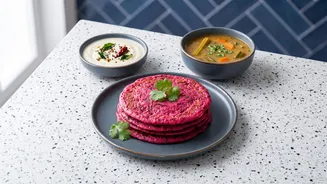
Here's the best part: if you know how to make a regular dosa, you already know how to cook a beetroot dosa. The process is identical. Heat a tawa or non-stick pan, pour a ladle of the pink batter, and spread it in a circular motion to your desired thickness. Drizzle a little oil or ghee around the edges and on top, and cook until the base is crispy and golden brown. Then, flip and cook the other side for a few moments. The batter behaves just like its conventional counterpart, resulting in a dosa that can be made as crispy or as soft as you prefer. The familiarity of the cooking process makes this an easy and accessible recipe for anyone to try.
A Fun Variation, Not a Health Shortcut
While beets are packed with nutrients like folate, vitamin C, and nitrates that can offer health benefits like improved blood flow, it is important to manage expectations. Adding a small amount of beetroot to a dosa batter made primarily of rice and lentils adds a nutritional boost, but it doesn’t magically transform the dosa into a low-calorie health food. The base of the dosa, whether it's fermented rice and dal or instant flours, still makes up the bulk of its calories and carbohydrates. A plain dosa typically contains around 120-150 calories before adding oil or fillings. So, while beetroot dosa is a great way to incorporate more vegetables into your diet—and a fantastic method for getting kids interested in eating them—it should be seen as a more nutritious option, not a diet-focused shortcut. Enjoy it as a delicious and creative meal, knowing you’re getting a little extra goodness in every bite.
Serving and Pairing Ideas
Beetroot dosa pairs beautifully with all the traditional accompaniments. The slightly sweet, earthy flavour of the beetroot is a perfect match for the fresh, cooling taste of coconut chutney. For a spicier kick, a fiery tomato or onion chutney works wonders. Of course, no dosa experience is complete without a bowl of hot sambar. The combination of the tangy, lentil-based stew with the colourful, crispy dosa is a classic for a reason. Because the dosa itself has a more complex flavour than a plain one, it is also delicious on its own or with a simple podi.