


Go Beyond the Obvious
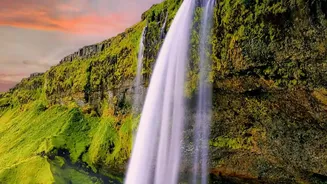
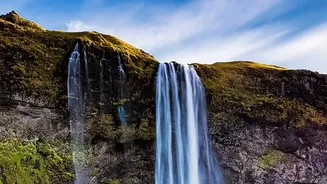
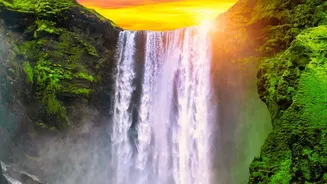
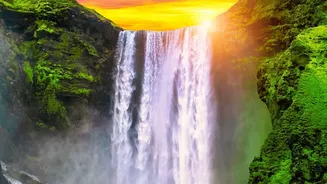
The Golden Circle’s Gullfoss and the South Coast’s Seljalandsfoss and Skógafoss are breathtaking and essential stops. However, their popularity means you'll be sharing the view. For a different experience, seek out their less-famous neighbors. Just a short
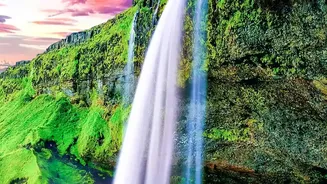
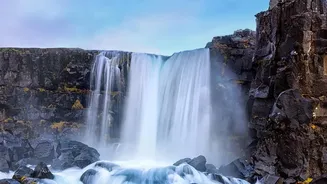
walk from Seljalandsfoss lies Gljúfrabúi, a powerful waterfall hidden behind a cliff face. Near Skógafoss, a 20-minute hike reveals Kvernufoss, where you can often walk behind the cascade without the crowds. In the north, while Goðafoss is spectacular, the nearby Aldeyjarfoss, with its dramatic basalt columns, offers a wilder feel. Looking past the headliners rewards you with more intimate encounters with Iceland's raw power.
Timing Your Visit for a Different View
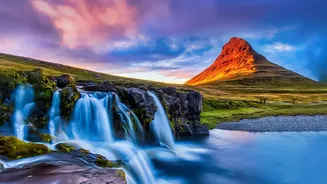
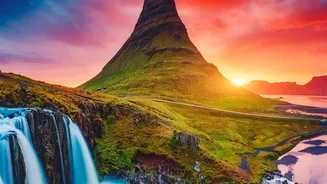
Your experience of Iceland's waterfalls changes dramatically with the seasons. Summer offers endless daylight and green landscapes, but also the largest crowds. Winter provides a completely different spectacle. Waterfalls like Gullfoss and Goðafoss don't freeze solid but become adorned with massive ice formations, their power contrasting with the serene, snowy surroundings. The trade-off is shorter daylight hours for exploring, but this also brings the incredible opportunity to witness the Northern Lights dancing over a partially frozen cascade like Kirkjufellsfoss. Keep in mind that winter access to more remote falls, especially in the Westfjords or Highlands, can be difficult or impossible.
Choosing the Right Vehicle
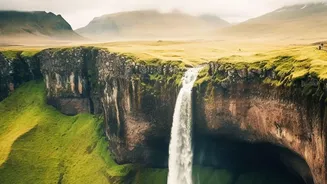
While many of Iceland’s most famous waterfalls are accessible via the paved Ring Road in a standard 2WD car, your itinerary should dictate your rental choice. If you plan to explore beyond the main tourist trail, a 4x4 is essential. This is especially true for accessing the Highlands via the F-roads, which are unpaved mountain tracks open only in summer. These roads lead to spectacular, remote falls like Háifoss, one of Iceland's tallest. By law, 4x4 vehicles are required on all F-roads, and attempting them in a 2WD car is illegal and voids all insurance. Even some non-F gravel roads to waterfalls like Dettifoss are much more comfortable in a 4x4.
Dress for the Drenching
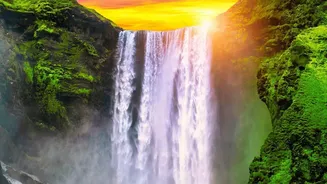
The sheer power of waterfalls like Skógafoss and Gullfoss generates an immense amount of spray that can leave you soaked in minutes. For falls you can walk behind, like Seljalandsfoss, getting wet is not a possibility but a guarantee. The key to enjoying these experiences is proper gear. A waterproof rain jacket and waterproof pants are non-negotiable, regardless of the weather forecast. Sturdy, waterproof hiking boots with good grip are also crucial, as paths near the falls are often slippery and muddy. Packing these essentials means you can get up close to the action without spending the rest of the day cold and wet.
Capture the Shot, Respect the Nature
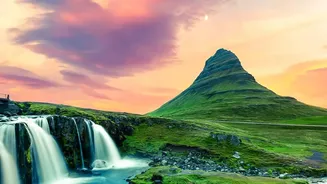
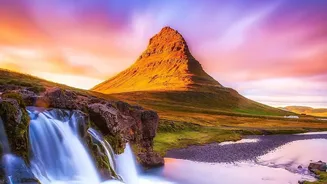
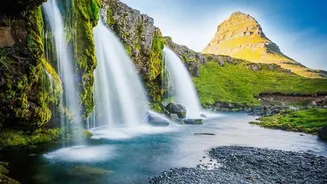
Iceland's waterfalls are incredibly photogenic, from the basalt-framed Svartifoss to the iconic Kirkjufellsfoss on the Snæfellsnes Peninsula. To capture the silky-smooth water effect, you'll need a tripod to keep your camera or phone steady for a long-exposure shot. But as you chase the perfect photo, it’s vital to respect the delicate environment. Iceland’s moss can take decades to recover from a single footstep. Always stay on marked paths and respect any barriers or ropes. Off-road driving is illegal and causes significant damage. The best souvenir is a beautiful photo taken responsibly, ensuring these natural wonders remain pristine for generations to come.