

Karnataka’s Khara Bath
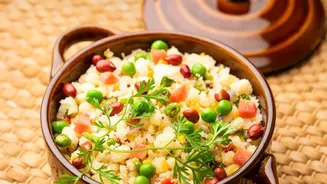
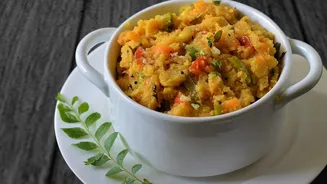
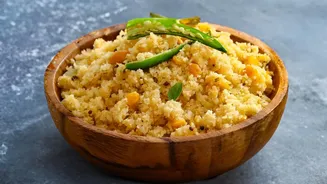
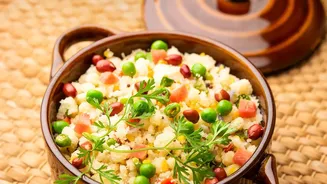
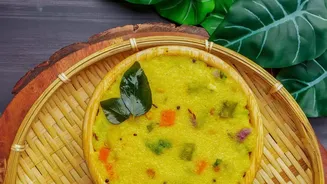
In Karnataka, upma often goes by the name Khara Bath, and it comes with a flavourful punch. This version is distinct from the simpler upma made in other regions, primarily due to the addition of a special masala powder, often a vangi bath or similar aromatic
spice blend. It's typically loaded with vegetables like carrots, beans, and tomatoes, giving it a vibrant colour and texture. The consistency is usually softer and more moist than standard upma, and the taste is a complex medley of spicy, tangy, and savoury notes. Served in local 'darshinis' and homes, often alongside a sweet counterpart called Kesari Bath to complete the 'Chow Chow Bath' combo, Khara Bath is a true celebration of Karnataka's bold flavours.
Tamil Nadu’s Rava Kichadi
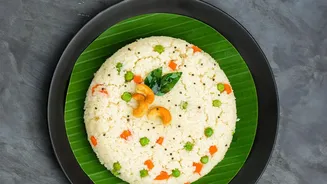
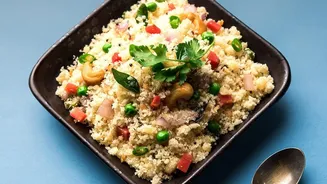
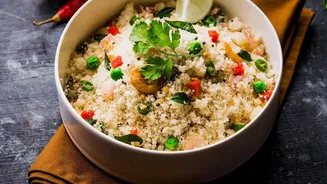
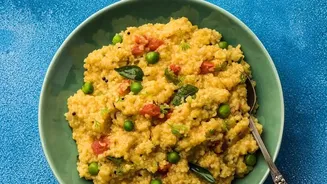
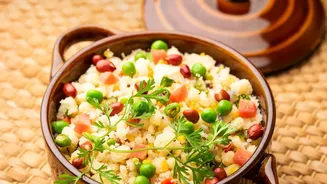
While the name might be confused with the North Indian rice and lentil dish, Tamil Nadu's Rava Kichadi is a richer, more festive cousin of upma. The key difference lies in its texture and richness. Kichadi is prepared with a generous amount of ghee or oil, which results in a softer, more glistening, and non-sticky consistency. It’s almost always cooked with finely chopped vegetables like carrots, peas, and beans, and gets its beautiful yellow hue from turmeric. Garnished with roasted cashews, it feels more like a celebratory dish than a quick breakfast. It’s the version you’d likely find at weddings and special occasions, served hot with a side of coconut chutney.
Maharashtra’s Sanja
Travel to Maharashtra, and you might find upma being called Sanja. What sets this version apart is the use of buttermilk or curd in its preparation, which imparts a subtle tanginess that beautifully complements the other spices. The tempering often includes mustard seeds, cumin, green chillies, and curry leaves, but the addition of peanuts provides a delightful crunch. Some variations, known as Tikhta Sanja (savoury), are similar to a standard vegetable upma, but others can lean towards sweet and savoury with a pinch of sugar added towards the end. Served with a garnish of fresh coconut and sometimes crispy sev, Sanja is a testament to Maharashtra's unique flavour combinations.
Andhra’s Masala Upma
True to Andhra cuisine's reputation, its take on upma is unapologetically spicy and robust. While it shares a base of roasted rava and a classic tempering of mustard seeds and lentils, the heat is dialled up significantly. Finely chopped green chillies and a good amount of ginger are essential, laying down a fiery foundation. What truly makes it 'masala' upma is often the addition of a specific spice mix, like sambar powder or a homemade 'podi', which infuses the dish with deep, complex flavours. Some recipes also incorporate tamarind extract for a tangy counterpoint to the spice. This version is hearty, flavour-packed, and guaranteed to wake up your taste buds.
Kerala’s Ari Upma (Rice Upma)
Moving further south, Kerala changes the core ingredient itself. Instead of semolina (rava), the traditional 'Ari Upma' is made from coarse, broken raw rice or red matta rice. This results in a completely different texture—chewier and more substantial than its semolina counterpart. The preparation involves a simple but fragrant tempering with mustard seeds, urad dal, and curry leaves, but the defining flavour comes from the generous use of grated coconut and sometimes coconut oil. It's a rustic and filling dish, often paired simply with a pickle or enjoyed on its own. This variation highlights how a simple substitution of grain can create an entirely new breakfast experience.