



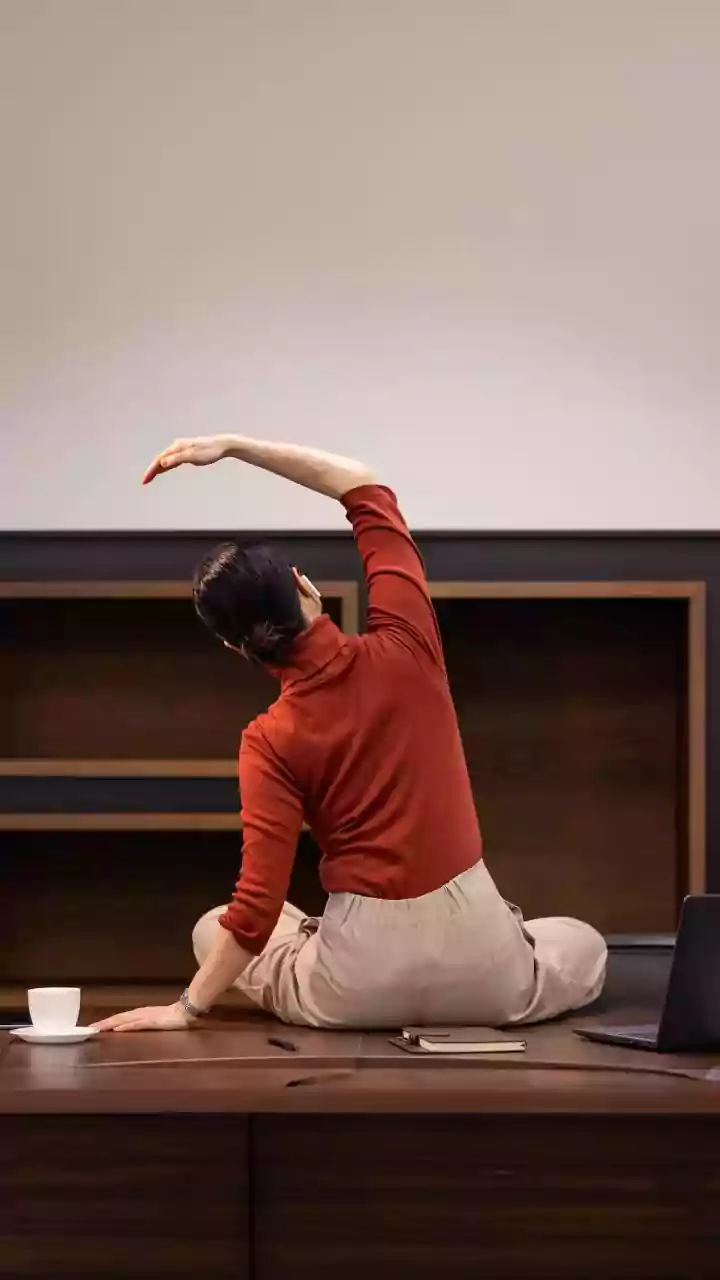



Why Starting Slowly Is Actually Smarter
The fitness world often glorifies intensity, but for beginners, this is terrible advice. Pushing your body too hard, too soon is a recipe for injury, burnout, and extreme soreness that can derail your motivation. The goal in the beginning is not to crush
yourself, but to build a consistent habit. By starting with manageable exercises, you allow your body's muscles, joints, and nervous system to adapt safely. This gradual approach builds a solid foundation of strength and mobility, prevents injury, and makes exercise a more enjoyable experience, which is key to sticking with it for the long term. Think of it as building a house; you need to lay a strong foundation before you can put up the walls.
The Power of Easier Variations
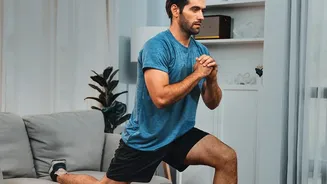
Many people get discouraged when they can't perform a standard exercise like a full push-up or a deep squat. The solution isn't to give up; it's to find an easier variation, also known as a regression. The idea is to perform the same fundamental movement pattern but in a way that is less demanding. For example, instead of a push-up on your toes, you can do one on your knees or against a wall. Instead of a full squat, you can use a chair to control your depth. These variations allow you to train the correct muscles and mechanics with good form, building the strength needed to progress to the more challenging version over time. There's an easier starting point for nearly every exercise.
Your Starter Toolkit of Variations
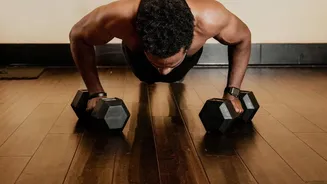
Building a beginner workout is simple when you know the basic movements and their easier options. Here are a few foundational exercises and their beginner-friendly variations: Push-ups: This classic move builds upper body and core strength. The easiest variation is a wall push-up. As you get stronger, you can move to incline push-ups on a bench or table, then to knee push-ups on the floor. Squats: A fundamental lower-body exercise. Start with a chair squat, where you stand up from and sit down on a chair to perfect the form. You can also hold onto a sturdy object for balance. Rows: To build back strength, you can use a dumbbell for a bent-over row. To make it easier, use a lighter weight or use a resistance band anchored to a door. Plank: This is a core stability champion. If a full plank is too much, start by holding it on your knees. Focus on keeping your back straight and your core engaged.
Defining Your 'Stop Rule'
Just as important as knowing how to start is knowing when to stop. Pushing to complete muscular failure—where you physically cannot do another rep—is often unnecessary and risky for beginners. Instead, you need a clear 'stop rule'. A great rule for beginners is to stop at 'technical failure'. This is the point where you can no longer perform another repetition with perfect form. If your hips sag during a push-up or your back rounds during a squat, that's your cue to end the set. This approach ensures you're practicing good movement patterns and significantly reduces your risk of injury. Another helpful tool is the Rate of Perceived Exertion (RPE) scale, which typically runs from 1 to 10. As a beginner, you should aim to end your sets at an RPE of around 7-8, which feels challenging but leaves you feeling like you could have done another one or two reps if you had to.
Putting It All Together
A great beginner workout doesn't need to be long or complicated. Focus on consistency. Start with two to three days a week, giving yourself a day of rest in between to recover. A sample full-body workout might look like this: 1. Warm-up: 5 minutes of light cardio like walking or marching in place, followed by dynamic stretches like leg swings. 2. Chair Squats: 2 sets, stopping when your form falters. 3. Incline or Knee Push-ups: 2 sets, stopping at technical failure. 4. Dumbbell or Band Rows: 2 sets, aiming for an RPE of 7-8. 5. Knee Plank: 2 sets, holding for as long as you can with good form. 6. Cool-down: 5 minutes of light stretching. Listen to your body. It's normal to feel some muscle soreness 24 to 48 hours after a new workout, but you shouldn't be in debilitating pain. If you are, it's a sign you pushed too hard.