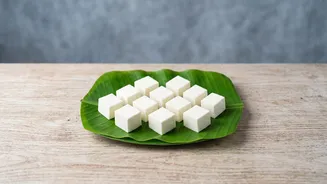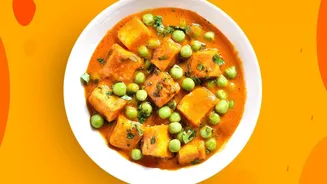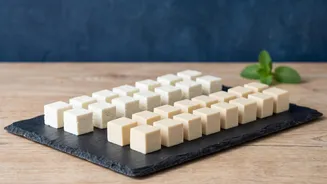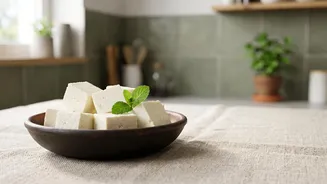








What is Analogue Paneer?
At a glance, analogue paneer can be indistinguishable from the fresh, dairy-based cottage cheese we know and love. However, their compositions are vastly different. While traditional paneer is made by curdling fresh milk with an acid like lemon juice
or vinegar, analogue paneer is a substitute product. It is typically manufactured by replacing milk fat and milk protein, either partially or completely, with less expensive ingredients like vegetable oils (often palm oil), starch, and plant-based proteins. Emulsifiers and stabilisers are also used to mimic the texture and appearance of real paneer, making it a heavily processed food item. This growing market caters to various needs, including lower price points and vegan diets, but the lack of clear distinction has become a major concern.
Why FSSAI Is Drawing a Line
The primary driver behind FSSAI's intervention is consumer protection. The regulator argues that selling analogue products under the 'paneer' label is misleading, as consumers may purchase them believing they are buying a traditional dairy product. This confusion has significant nutritional implications. Paneer is valued in many Indian households, especially vegetarian ones, as a key source of protein and calcium. Analogue versions can have a vastly different nutritional profile, often containing lower protein, higher levels of unhealthy trans fats from hydrogenated vegetable oils, and lacking the natural vitamins and minerals found in dairy paneer. To address this, FSSAI has issued draft regulations aiming to restrict the use of the term 'paneer' for any product not made from milk.
The Proposed Changes for Consumers
Under the draft amendment, companies will no longer be allowed to use the word 'paneer' in the name, labelling, or marketing of these non-dairy substitutes. Products already licensed under the 'Analogue in Dairy Context' category will be required to change their branding. The goal is to ensure the name of a food product accurately reflects its composition. This means consumers can expect to see clearer, more descriptive labels that explicitly state the nature of the product. This crackdown isn't just for packaged goods; it also extends to restaurants and food services, which would have to disclose if they are using a paneer substitute in their dishes. Several states, including Maharashtra and Gujarat, have already implemented similar bans on the sale of analogue paneer, citing public health concerns after samples failed quality tests.
Nutritional Showdown: Dairy vs. Analogue
The nutritional gap between traditional paneer and its analogue counterparts can be significant. A 100-gram serving of dairy paneer typically offers a robust 18-20 grams of high-quality, complete protein and is a natural source of calcium. In contrast, the protein content in analogue paneer varies widely and is often much lower. Furthermore, real paneer's fat content comes from milk, while analogue versions often rely on processed vegetable fats, which can include unhealthy trans fats. On the other hand, some plant-based alternatives like tofu (often called soya paneer) are cholesterol-free, lower in calories, and can be a good option for those on a vegan diet or managing weight, though tofu's protein content is generally lower than dairy paneer's. The proposed FSSAI rules aim to empower consumers to make these choices knowingly.