



What Is the Skin Barrier?
Think of your skin barrier, or stratum corneum, as a diligent security guard for your skin. It's the outermost layer, composed of tough skin cells (the bricks) held together by lipids like ceramides and fatty acids (the mortar). This 'brick-and-mortar'
structure has two main jobs: keeping good things like moisture in, and keeping bad things like pollutants, irritants, and bacteria out. When it’s healthy, your skin looks and feels hydrated, smooth, and resilient. But when it becomes compromised, this protective shield weakens, leading to a host of problems.
Viral Hacks That Can Cause Damage
Not all trends are worth trying, especially when they involve your face. Many popular DIY hacks use ingredients that are far too harsh for the delicate skin barrier. For example, using lemon juice to lighten spots can disrupt your skin's natural pH and increase sun sensitivity, leading to more irritation and hyperpigmentation, especially on Indian skin. Another common culprit is creating scrubs from baking soda, sugar, or salt. While they might feel like they're exfoliating, their abrasive, jagged particles can cause micro-tears in the skin, leaving it vulnerable to infection and inflammation. Other risky trends include applying toothpaste to pimples, which can cause chemical burns, or using raw garlic, which can severely irritate the skin.
Signs Your Skin Barrier Is Compromised
How can you tell if your skin’s defences are down? One of the most telling signs is a stinging or burning sensation when you apply products that normally feel fine. Other common symptoms include persistent dryness, tightness, or itchiness, even after you’ve moisturised. You might also notice increased redness, a rough or flaky texture, new sensitivity to products you once tolerated, and even an uptick in breakouts, as a weakened barrier can't effectively keep acne-causing bacteria out. Essentially, if your skin just looks and feels irritated, angry, or uncomfortable, a damaged barrier is a likely cause.
How to Repair and Rebuild Your Barrier
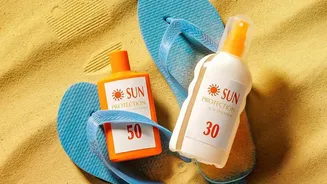
The good news is that a damaged skin barrier can be repaired with a little patience and the right approach. The first step is to simplify your routine. Give your skin a break from harsh active ingredients like retinoids and chemical exfoliants (AHAs and BHAs). Instead, focus on a gentle, fragrance-free cleanser, a nourishing moisturiser, and daily sunscreen. Look for products containing ingredients that help rebuild the barrier. Ceramides are crucial as they are the natural 'mortar' of the skin. Hyaluronic acid and glycerin are excellent humectants that draw moisture into the skin. Niacinamide (Vitamin B3) helps the skin produce its own ceramides, while ingredients like squalane and various plant oils help lock in moisture and soothe irritation.