



After two weeks of intense negotiations in Antalya, the COP31 climate summit has ended not with a bang, but with a weary sigh. While delegates secured incremental progress, the hardest decisions on fossil fuels and finance were punted to next year.
The Fossil Fuel Impasse
The
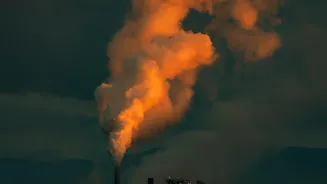
most significant point of contention was the language surrounding fossil fuels. For the first time since the Copenhagen summit in 2009, negotiators failed to agree on a main political text, known as a cover decision. A bloc of nations including the European Union, the UK, and numerous climate-vulnerable states pushed for a clear commitment to 'phase out' fossil fuels, building on the 'transitioning away' language agreed at COP28. However, this was met with stiff resistance from oil and gas producing countries, reportedly including Russia and Saudi Arabia, who blocked any explicit mention of fossil fuels in the final draft. They instead advocated for a focus on technologies like carbon capture, a stance critics warned could serve as a loophole to continue emissions. Ultimately, the disagreement proved insurmountable, leading to the collapse of the overarching pact.
Uncertainty Over Climate Finance
Another major unresolved issue was the question of money. Developing nations came to Antalya seeking a firm commitment on a new, scaled-up climate finance goal to help them adapt to climate impacts and transition to clean energy. A proposed target of at least $120 billion annually for adaptation finance by 2035 was a key ask. However, the final texts failed to include this specific figure. Instead, the decision was deferred, with only a general agreement to continue discussions. Developed nations were hesitant to commit to specific numbers, creating a deep sense of frustration among countries on the front lines of the climate crisis. The failure to deliver concrete financial commitments was seen by many as a betrayal, widening the trust deficit between developed and developing countries.
Loss and Damage Fund in Limbo
The 'Loss and Damage' fund, established at COP27 to compensate the most vulnerable nations for climate impacts they cannot adapt to, faced its own set of challenges. While the fund is technically operational, debates continued in Antalya over its mechanics. Key questions about who should pay into the fund, which countries should be eligible to draw from it, and how quickly money can be disbursed remained contentious. African negotiators and other developing country groups argued for a broad definition of vulnerability, ensuring that support reaches communities directly. Despite some new funding pledges, including a €25 million contribution from the European Commission, the overall scale of finance remains a fraction of what is needed. The summit ended without resolving the core issues of ensuring predictable and adequate funding for the mechanism.
Small Wins and a Path Forward
Despite the high-profile failure of the main agreement, the summit was not a complete loss. Progress was made on several technical fronts, including rules for carbon markets under Article 6 of the Paris Agreement and the establishment of a Just Transition work programme. A key initiative championed by the Turkish presidency, the '35x35' goal to increase electricity's share of final energy to 35% by 2035, gained support from dozens of countries. UN Climate Change Executive Secretary Simon Stiell acknowledged the 'deep disappointment' over the lack of a cover decision but highlighted that progress on the 'Action Agenda' track continues outside the formal negotiation rooms. These smaller agreements keep the process moving, but they are overshadowed by the lack of consensus on the biggest issues.