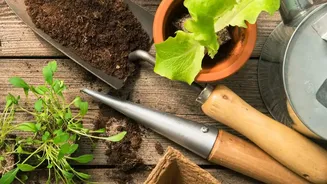




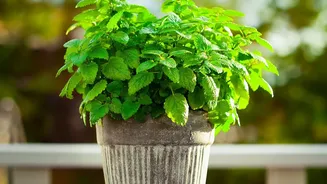
The simple joy of snipping fresh herbs right from a pot on your balcony is becoming a familiar reality in many Indian homes. What was once a niche hobby is now a full-blown trend, making our kitchens more fragrant and our meals more flavourful.
The Balcony-to-Table Revolution
Across
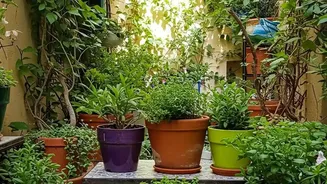
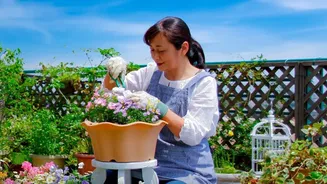
India's bustling cities, a quiet green movement is taking place. Balconies, windowsills, and small terraces are being transformed into miniature herb gardens. This surge in urban gardening is driven by a desire for fresh, pesticide-free ingredients and the simple pleasure of nurturing a plant. For many home cooks, the ability to harvest a handful of fresh mint for chutney or a sprig of curry leaves for a tadka is a game-changer. The trend, which gained momentum in recent years, has now become a lasting habit for many urban dwellers. This shift is supported by a growing awareness of food safety and the therapeutic benefits of daily gardening. Tending to plants offers a welcome, screen-free routine that reduces stress and connects people to their food source.
Why Is It Simpler Than Ever?
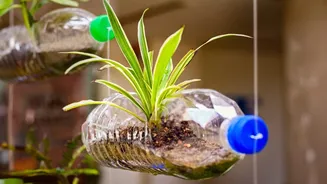
The biggest barrier to urban gardening—a lack of space and know-how—is rapidly disappearing. Growing techniques have become more efficient, with lightweight grow bags, vertical planters, and railing pots making it possible to cultivate a surprising amount of produce in just a few square feet. Furthermore, access to supplies has been democratised. Just a few years ago, finding the right soil mix or organic fertilisers could be a challenge. Today, numerous online platforms deliver everything from seeds and cocopeat to beginner-friendly starter kits directly to your doorstep. This, combined with a wealth of online tutorials and community groups sharing tips, has made it incredibly easy for absolute beginners to get started with confidence.
The Must-Have: Coriander (Dhania)
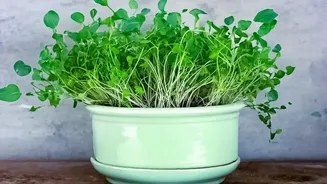
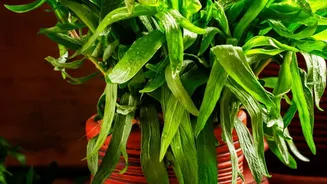
No Indian kitchen is complete without coriander, used for garnishing everything from dals to curries. Growing it is surprisingly straightforward. Coriander prefers cooler weather and grows best from seeds sown directly into a pot that is at least 6-8 inches deep to accommodate its taproot. Use a well-draining soil mix and place the pot where it will receive 4-6 hours of sunlight. Keep the soil consistently moist but not waterlogged. You can start harvesting the leaves in about 40-45 days. To ensure a continuous supply, snip the outer stems first, allowing the inner leaves to keep growing.
The Cooling Classic: Mint (Pudina)
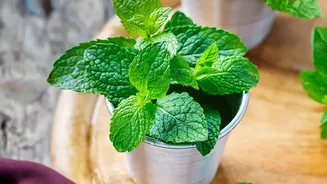
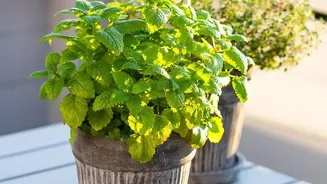
Renowned for its refreshing aroma, mint is essential for chutneys, raitas, and summer coolers. It is one of the easiest herbs to grow and is famously vigorous—so much so that it's best kept in a container to prevent it from taking over. A wide, shallow pot works well. Mint thrives in moist soil and prefers partial shade, especially during the intense afternoon sun of Indian summers. The easiest way to start is not from seed, but from cuttings. Simply place a few healthy stems from a market-bought bunch in water; roots will appear in about a week, ready to be planted in soil.
The Aromatic Essential: Curry Leaves (Kadi Patta)
A staple in South Indian and Gujarati cuisine, the fragrance of curry leaves is unmistakable. This low-maintenance plant grows into a small shrub or tree and loves full sun and well-drained soil. While it can be grown from seeds, propagating from a cutting is also a popular method. It is a relatively slow grower compared to mint or coriander, but a healthy plant will provide a steady supply of leaves for years. Fertilise it every 4-6 weeks during the growing season and ensure the pot has good drainage to prevent root rot. Regular pruning and harvesting actually encourage the plant to become bushier.
The Sacred Healer: Holy Basil (Tulsi)
Revered in India for both its spiritual significance and medicinal properties, Tulsi is a common sight in household courtyards and now, increasingly, in balcony pots. It is used in teas and 'kadhas' to boost immunity and relieve stress. Tulsi thrives in full sun and requires moderate watering and well-drained soil. It is crucial to regularly pinch off the flower buds (manjiri) as they appear. This prevents the plant from putting its energy into seed production and instead encourages lush, leafy growth, ensuring you have plenty of healthy leaves to use.