






The Passenger Vehicle Juggernaut
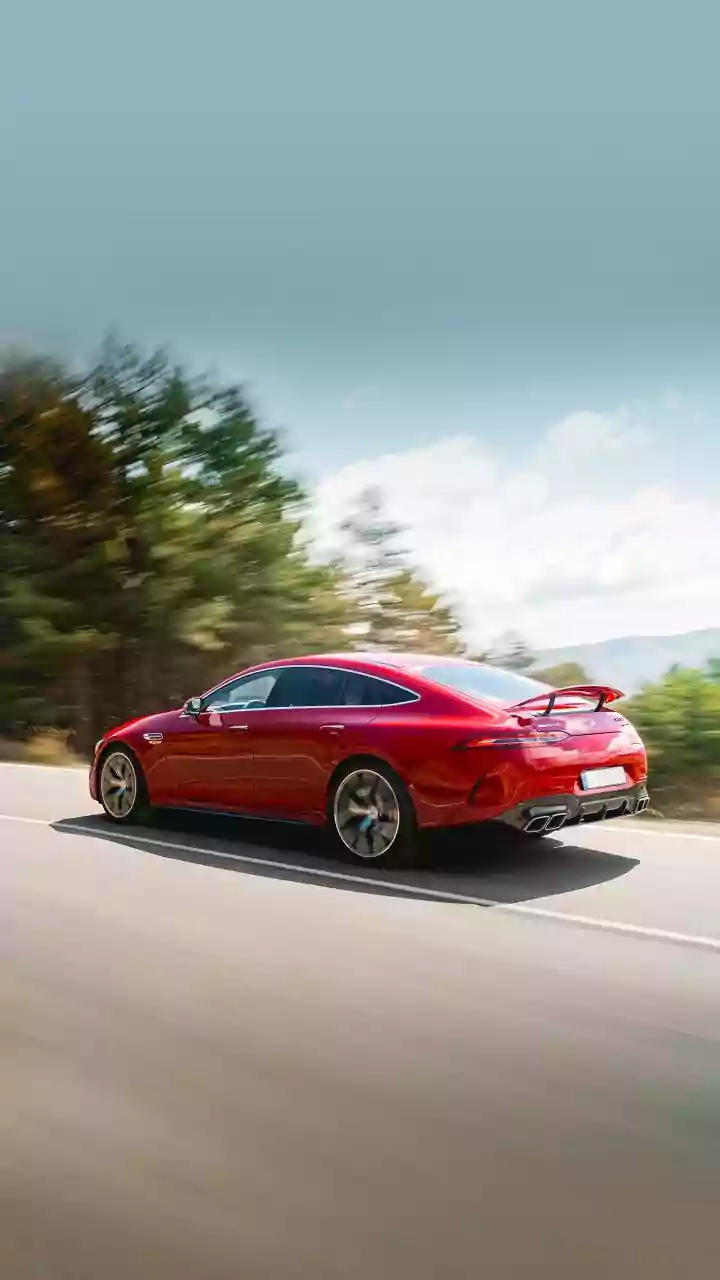
The passenger vehicle (PV) segment had a phenomenal first quarter, clocking its highest-ever sales for the April-June period with nearly 1.27 million units sold, a year-on-year growth of almost 26%. But beneath this impressive number, a significant shift
is underway. The growth isn't uniform; it's being overwhelmingly driven by utility vehicles (UVs), which includes the ever-popular SUV category. Sales of UVs grew at a blistering 28.6%, comfortably outpacing the 21.3% growth seen in traditional passenger cars. This reflects a clear trend of 'premiumisation,' where buyers are increasingly opting for larger, more feature-packed vehicles. Furthermore, what powers these cars is changing dramatically. For the first time in June, alternative fuels—comprising CNG, hybrids, and electric vehicles (EVs)—captured over 40% of the market share. This diversification shows that consumer choice is no longer just about the model, but the entire powertrain.
A Tale of Two Wheels
The two-wheeler segment, often considered a barometer for the health of the rural economy, also posted a robust 20.3% growth in the quarter. However, the story here is one of subtle divergence. Scooters have been outpacing motorcycles in sales growth, benefiting from urban demand and favourable tax structures. This segment also reached a major milestone: electric two-wheelers crossed a 10% market share for the first time in June, signalling a tipping point in EV adoption in mass mobility. At the same time, the two-wheeler market showed its sensitivity to broader economic factors. FADA reported a slight sequential dip in June retail sales from rural areas, attributing it to the delayed onset of the monsoon, which prompted a 'wait-and-watch' approach from buyers in agricultural regions.
Commercial Vehicles: The Economy's Haulers
Commercial vehicles (CVs), which are directly linked to economic activity, also set a new record for first-quarter sales, growing by 18.3%. The nuance here lies in what kind of commercial vehicles are selling. The demand for goods carriers, such as light, medium, and heavy trucks, has been particularly strong. This growth is fueled by sustained infrastructure projects, activity in sectors like mining and cement, and strong replacement demand. In contrast, the growth in passenger carriers like buses has been more marginal, indicating that while goods are moving at a record pace, the recovery in public and fleet transport is happening more slowly. Interestingly, rural demand for commercial vehicles outpaced urban growth, suggesting a broadening of economic activity beyond the metros.
The Unsung Champions of Growth
Two other segments showcase the market's new complexity: three-wheelers and exports. The humble three-wheeler had its best-ever first quarter, with sales surging by nearly 30%. This growth is supercharged by electrification, with EVs now making up a staggering 64% of the three-wheeler market. It’s a quiet revolution that is transforming last-mile mobility. Meanwhile, on the global stage, Indian auto exports hit an all-time high for the quarter across every single vehicle category. Two-wheeler exports surged by over 36%, and commercial vehicle exports grew by an impressive 43%. This demonstrates that the industry's strength is not just confined to domestic demand but is also building a formidable presence internationally, driven by strong demand from Latin America, Africa, and South Asia.