




A Sudden Wall of Water
On August 26, 2026, a catastrophic event unfolded along the Nepal-Tibet border, serving as a terrifying reminder of mountain volatility. It wasn't a storm that caused the disaster, but a massive section of a glacier breaking off high in the mountains.
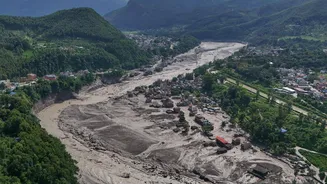
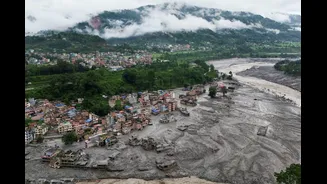
This colossal ice and rock avalanche thundered into a river valley, temporarily damming it before the water broke through with unimaginable force. The resulting flash flood was a wall of water, mud, and debris that surged downstream, with river levels reportedly rising by as much as nine meters in just 30 minutes. Villages were wiped out, bridges vanished, and hundreds of lives were lost or declared missing in a matter of moments, highlighting how quickly a serene landscape can become a scene of devastation. The incident, initially mistaken for an earthquake due to the seismic shock it generated, underscores a peril that is becoming more frequent across the entire Himalayan range.
The Science of Sudden Floods
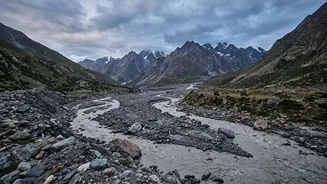
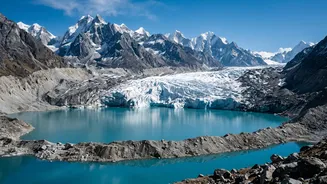
What makes mountain floods so sudden and violent? The primary culprits are cloudbursts, landslides, and a growing threat known as Glacial Lake Outburst Floods (GLOFs). A cloudburst is an extreme amount of rain in a short period, overwhelming the steep terrain’s ability to absorb it. But GLOFs are a more insidious danger linked to our warming climate. As glaciers melt and retreat, they leave behind vast lakes, often held in place by unstable natural dams made of loose rock and debris called moraines. These moraine dams can fail due to erosion, water pressure, or a trigger event like a landslide or avalanche splashing into the lake. When they break, they release an enormous volume of water in a catastrophic flood that carries rock and sediment, amplifying its destructive power as it rushes downstream. This process, along with landslides that temporarily block rivers, creates the conditions for the sudden, deadly torrents seen in the Himalayas.
Recognising the Risks in India
The dangers are not confined to Nepal. The Indian Himalayan states of Uttarakhand, Himachal Pradesh, Sikkim, and the union territory of Ladakh are all highly susceptible to the same phenomena. These regions are dotted with glacial lakes and feature the steep topography that makes flash floods particularly dangerous. The 2021 Chamoli disaster in Uttarakhand, where a rock and ice avalanche triggered a devastating flood, was a stark example of this complex, cascading hazard chain. With increasing tourism and pilgrimage traffic to these vulnerable areas, especially during the monsoon season when the risks are heightened, understanding the potential for sudden disaster is no longer optional—it is a critical part of responsible travel. The allure of monsoon trekking, with its lush greenery and misty vistas, comes with the non-negotiable responsibility of prioritising safety over adventure.
How to Prepare Before You Go
Preparation is your first and best line of defence. Before heading into the mountains, always check the latest weather forecasts from the Indian Meteorological Department (IMD) and any local advisories for your specific destination. Research your route thoroughly and, if possible, choose trails that are not in narrow valleys or known landslide-prone zones, especially during the monsoon. Pack smart. Your gear should include high-quality waterproof trekking shoes with good grip, a reliable raincoat or poncho, and extra layers of quick-drying clothing. Avoid cotton, which stays wet and cold. Carry a basic first-aid kit, a flashlight, and a power bank for your phone. Most importantly, create a detailed itinerary and share it with someone who is not travelling with you. This simple step can be life-saving if you run into trouble.
Staying Safe on the Trail
Once you are on the trail, vigilance is key. Always be aware of your surroundings and have a plan for reaching higher ground quickly. Listen for any unusual rumbling sounds, which could signal a landslide or debris flow upstream. Pay close attention to water levels in streams and rivers. A sudden rise, or a change from clear to muddy water, is a major red flag that a surge could be coming. The most crucial rule is to never attempt to walk or drive through floodwaters. Remember the mantra: Turn Around, Don't Drown. It only takes six inches of fast-moving water to knock you off your feet and just a foot to sweep a vehicle away. Hiring a certified local guide is highly recommended; their knowledge of the terrain, weather patterns, and safe routes is invaluable. Respect their instructions, as they are trained to spot dangers you might miss.