





The Real Anatomy of Delhi's Smog
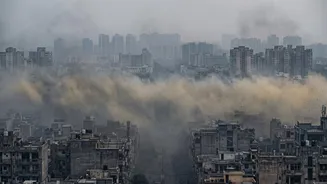
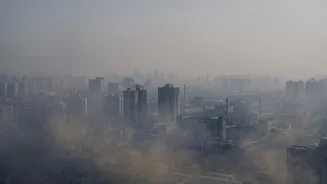
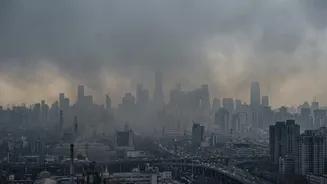
To understand the health risks, we first need to look past the hazy curtain of smog and identify the culprits. Delhi's air is a complex cocktail of pollutants far more varied than cigarette smoke. The most infamous is PM2.5—particulate matter so fine
it's 30 times smaller than a human hair. But these particles are not just dust; they are carriers for a host of other dangerous chemicals. Vehicle exhaust, industrial emissions, and waste burning release proven carcinogens into the air we breathe, including benzene, benzo-a-pyrene, and formaldehyde. The International Agency for Research on Cancer (IARC), a wing of the WHO, has classified outdoor air pollution, and specifically PM2.5, as a Group 1 carcinogen, placing it in the same high-risk category as tobacco and asbestos.
How Pollution Triggers Cancer
The danger of PM2.5 lies in its size. These microscopic particles bypass the body's natural defenses, travelling deep into the lungs and even entering the bloodstream. Once inside, they cause chronic inflammation and oxidative stress, which can lead to DNA damage and mutations in our cells. Recent research has uncovered a more specific mechanism: air pollution can irritate existing, otherwise dormant, mutated lung cells (like the EGFR mutation) and trigger them to grow uncontrollably into cancerous tumours. This explains the alarming rise in lung cancer cases among non-smokers in Delhi, a trend that oncologists are increasingly witnessing in their clinics. For every 10 microgram per cubic metre increase in PM2.5 exposure, the risk of developing lung cancer can rise by up to 9%.
Why the Cigarette Analogy Falls Short
The comparison of breathing polluted air to smoking cigarettes is a powerful tool for raising awareness, but it is scientifically imprecise. Smoking delivers a massive, concentrated dose of specific toxins directly to the lungs. Air pollution, on the other hand, involves constant, lower-concentration exposure to a different and broader mix of chemicals. While both increase the risk of lung cancer and other diseases, the biological pathways can differ. Furthermore, the analogy can be misleading. While a person can choose not to smoke, no one in a polluted city can choose not to breathe. The risk from smog is involuntary and affects everyone, including the most vulnerable populations like children, the elderly, and those with pre-existing health conditions, who are far more sensitive to its effects.
A Risk That Goes Beyond the Lungs
While lung cancer is the most established risk, the damage from air pollution doesn't stop there. The inflammatory and carcinogenic particles that enter the bloodstream can travel throughout the body, affecting other organs. Emerging research has linked long-term exposure to PM2.5 with an increased risk of mortality from several other cancers, including breast, liver, pancreatic, and gastrointestinal cancers. Studies have noted associations between chronic exposure and a higher incidence of colorectal and prostate cancers. Some Delhi hospitals are reporting cases of gastrointestinal cancer in patients as young as 15, prompting urgent calls for more India-specific research into the link between pollution and these diseases.