


An Imported Icon
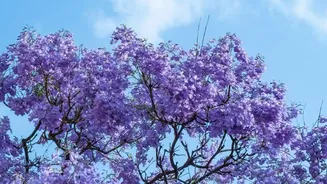
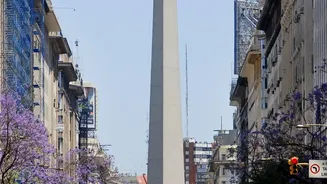
So synonymous with a Sydney spring, it’s easy to assume the jacaranda is a native Australian tree. In reality, it hails from South America, primarily Brazil, Argentina, and Bolivia. The most common species, Jacaranda mimosifolia, was first introduced
to Australia in the 19th century, with some of the earliest specimens planted in the Royal Botanic Garden Sydney as far back as the 1850s. A popular but unproven myth suggests a hospital matron gave seedlings to mothers of newborns to plant. More documented history points to beautification programs by local councils throughout the 20th century, which helped spread the trees across the city's suburbs, cementing their place in Sydney's identity.
The Famous Purple Tunnel
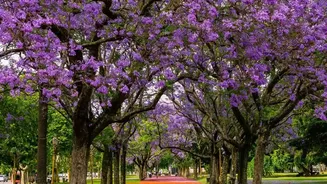
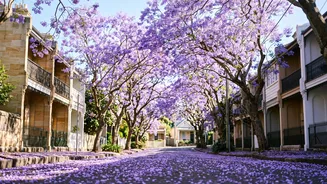
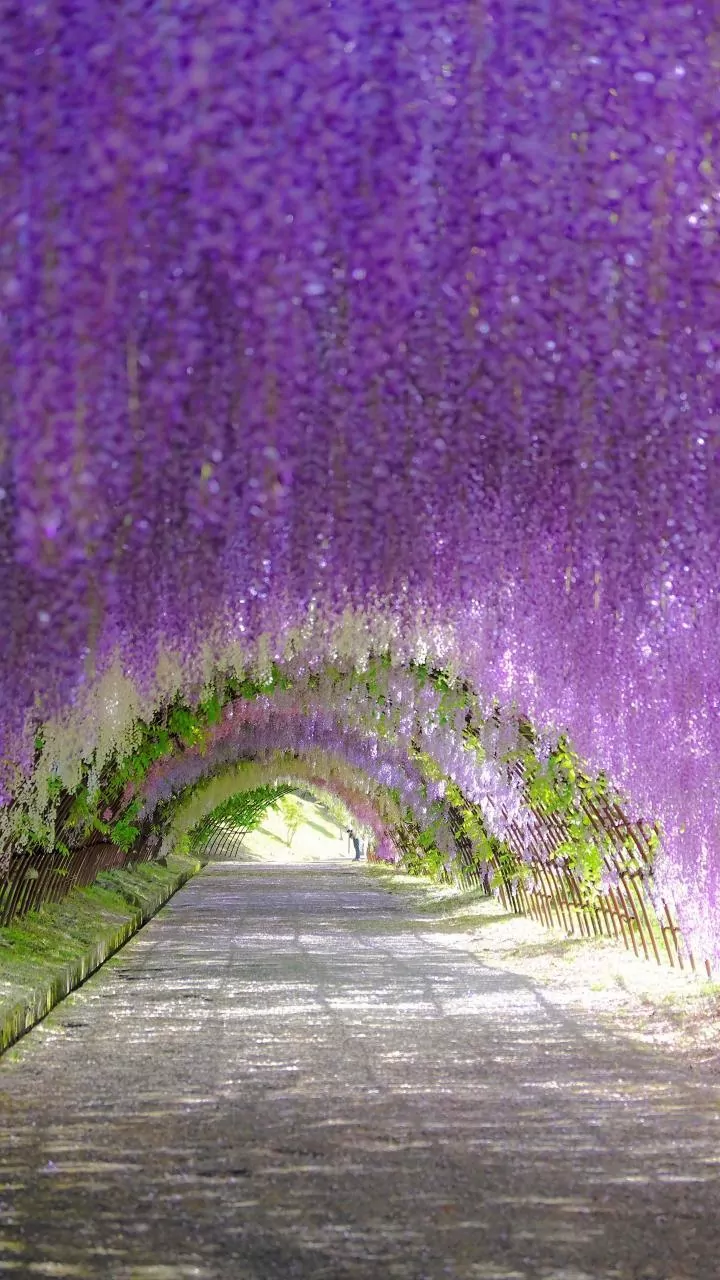
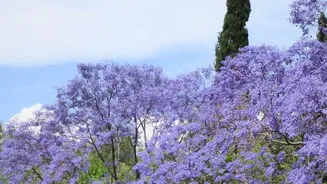
For the ultimate jacaranda experience, McDougall Street in the north shore suburb of Kirribilli is ground zero. For a few weeks each year, the mature trees on both sides of the street form a dense, violet archway, creating a 'purple tunnel' that has become an international social media sensation. The spectacle draws such large crowds that North Sydney Council often implements road closures on weekends to ensure pedestrian safety. The 30 or so trees that create this famous canopy were reportedly a gift from the town of Grafton—known as Australia's jacaranda capital—and were planted as part of a beautification project in the 1930s. For those hoping to capture a photo without the crowds, an early weekday morning visit is highly recommended.
Historic Blooms and Harbour Views
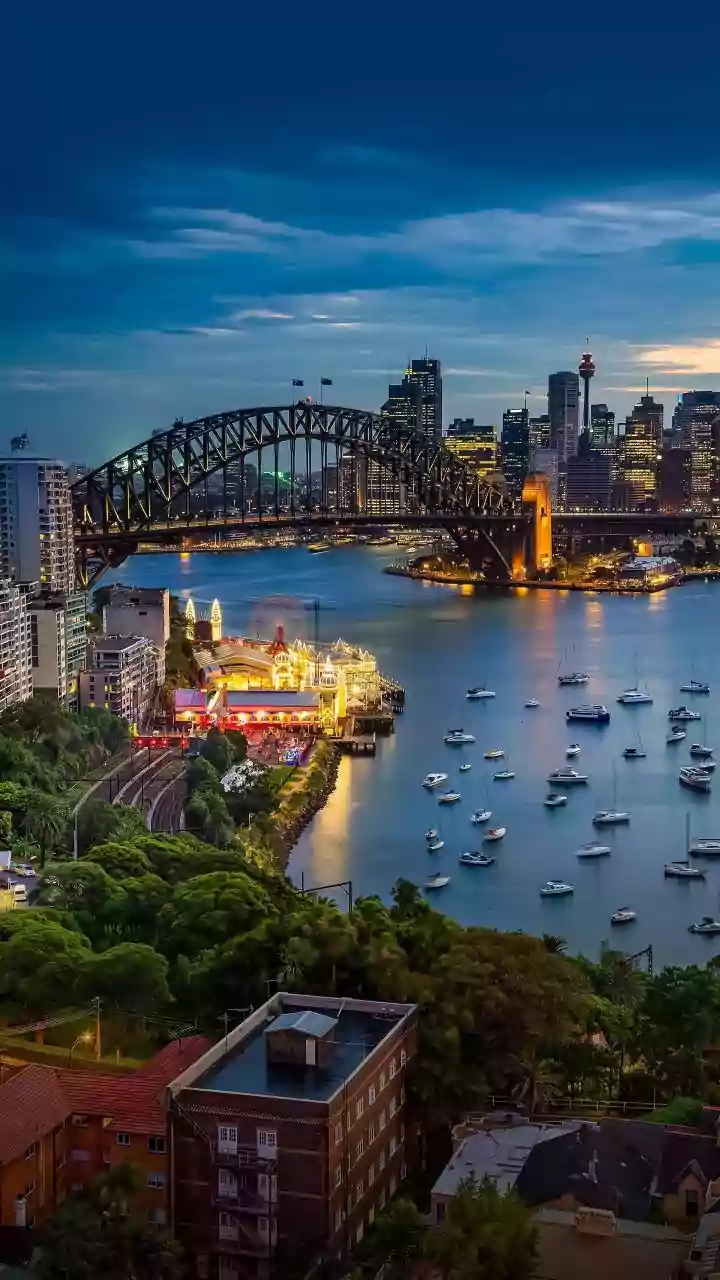
Beyond Kirribilli, the blooms can be found framing some of Sydney’s most iconic views. A walk through the historic cobblestone streets of The Rocks and Circular Quay offers stunning photo opportunities, with jacarandas set against the backdrop of the Harbour Bridge and Opera House. The Royal Botanic Garden not only features some of the city's oldest jacaranda trees but also a rare white-flowering variety, Jacaranda mimosifolia 'Alba'. Nearby, the aptly named Lavender Bay provides beautiful blossoms and access to Wendy Whiteley's Secret Garden, a perfect spot for a picnic with harbour views.
A Tour of the Suburbs
The jacaranda trail extends far into the suburbs. In the east, Paddington is a highlight, where the lawns in front of the historic Victoria Barracks on Oxford Street are blanketed in purple petals. The surrounding streets of Woollahra and Double Bay also offer delightful displays. In the inner west, the University of Sydney campus is a popular spot, where a legendary jacaranda once stood in the main quadrangle; a clone was planted in its place in 2017. Further west, Parramatta Park and the suburb of Gladesville, which boasts nearly 500 jacaranda trees, offer more serene viewing experiences away from the main crowds.
Planning Your Visit
The jacaranda season in Sydney typically runs from mid-October to late November, with the peak bloom often occurring in late October and early November. However, the exact timing can vary each year depending on the weather; a warm, dry winter can cause the trees to flower earlier. The bloom is fleeting, lasting only a few weeks before the petals begin to fall, creating a vibrant purple carpet on the footpaths below—a beautiful sight in its own right. For students at the University of Sydney, there's a long-held superstition: if a jacaranda flower falls on your head before you've started studying for exams, it's too late.