









A New Frontier in Filmmaking
Christopher Nolan, the celebrated director behind modern classics like Inception and Oppenheimer, has long been a champion of the theatrical experience. With his newly announced epic, The Odyssey, he is not just inviting audiences to the cinema; he is challenging
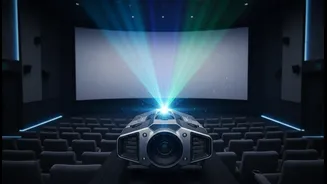
the very infrastructure of film exhibition. The film is shot entirely on a groundbreaking new format, reportedly dubbed "Aether-Max 15/70mm," which combines the unparalleled detail of large-format film with a new dual-laser projection system. Sources close to the production describe visuals of astonishing clarity and depth, intended to create a fully immersive, almost three-dimensional experience without the need for glasses. The film itself, inspired by the classic epic poem, is said to be a sprawling journey across surreal and breathtaking landscapes, a subject matter perfectly suited for such a visually demanding format. Nolan's goal seems clear: to create an event so spectacular it simply cannot be replicated at home, pushing back against the tide of streaming dominance.
The Technology Behind the Spectacle
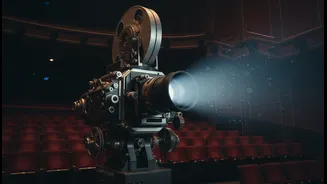
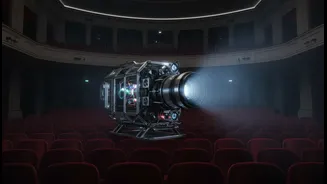
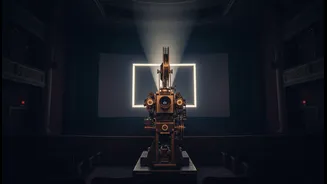
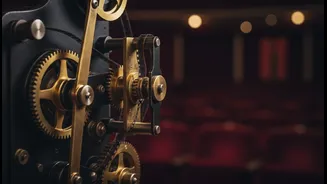
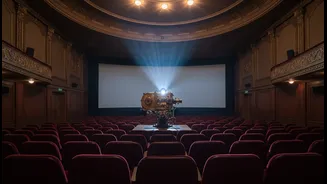
So, what exactly makes this new format so exclusive? The technical requirements are immense, creating a high barrier to entry for even the most advanced multiplexes. Firstly, the film print itself is a massive 15-perforation, 70mm stock, even larger and more detailed than the format used for Oppenheimer. This requires a custom-built projector, rumoured to weigh over 300 kilograms and necessitate reinforced projection booths. Secondly, the dual-laser system needed for compliant projection offers an unprecedented brightness and colour gamut, but it demands a significant power supply upgrade and a specific type of high-gain silver screen to work correctly. Finally, the accompanying sound mix is a new 24-channel object-based system that requires a complete overhaul of a theatre's speaker layout. For cinema owners, adopting this technology is not a simple upgrade; it is a multi-million dollar investment in a format designed for a single film.
An Auteur’s Uncompromising Vision
For Nolan and his creative team, this technological gatekeeping is not the point—the artistic result is. The director has consistently argued that the medium is part of the message. By pushing technology to its absolute limits, he aims to transport the audience fully into the world of the story. In his view, watching The Odyssey on a standard screen would be like viewing a Goya painting on a smartwatch; the detail, scale, and emotional impact would be fundamentally lost. This purist approach is a deliberate statement on the state of modern entertainment. In an age of compressed video files and what he calls "AI slop," Nolan is making a stand for craftsmanship and presentation. He is banking on the idea that audiences will seek out the definitive version of his work, preserving the "magic" of going to the movies as a communal, almost sacred event.
Genius, or Glorified Gatekeeping?
While cinephiles may celebrate this commitment to quality, the announcement has sparked a significant debate. With only 41 compliant screens worldwide—a list yet to be fully released—the vast majority of the global population will be unable to see the film as the director intended. For audiences in India, where even standard IMAX 70mm screens are a rarity, the chances of experiencing The Odyssey in its true form are virtually zero. Critics of the move argue that it turns cinema into an elitist pursuit, accessible only to those in major metropolitan hubs with the right infrastructure. Is it truly a win for the art form if only a privileged few can participate? This exclusivity runs counter to the democratic ideal of cinema as a popular art form, raising uncomfortable questions about who gets to experience culture in its highest fidelity.