





The Woman Behind the Movement
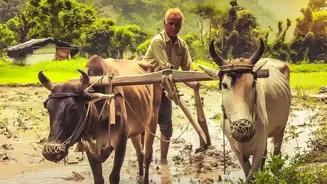
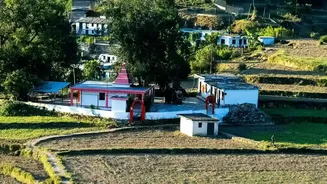
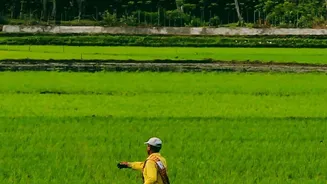
Trinity Saioo, often called 'Turmeric Trinity', is a schoolteacher from Mulieh village in the West Jaintia Hills. Her journey began not as a large-scale campaign, but as a personal effort to support her family through farming. In 2003, she switched from a locally
common turmeric variety to the more potent and profitable Lakadong variety. Seeing her own income double, she began encouraging other women in her community to do the same. Her leadership in reviving Lakadong turmeric cultivation and empowering hundreds of women farmers earned her the Padma Shri, India's fourth-highest civilian award, in 2020.
Meghalaya's Golden Spice: Lakadong Turmeric
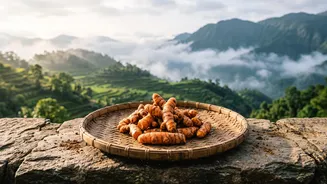
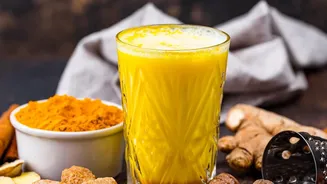
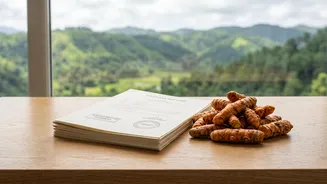
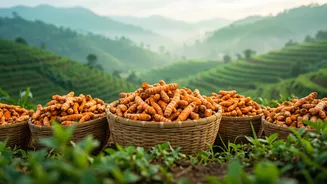
Lakadong turmeric is no ordinary spice. Grown organically in the specific climatic conditions of the Jaintia Hills, it is globally renowned for its exceptionally high curcumin content, which ranges from 7% to 12%. This is significantly higher than the 2-5% found in most other turmeric varieties, giving it a vibrant colour, a strong, earthy flavour, and potent medicinal properties. This unique quality earned it a Geographical Indication (GI) tag, officially linking its identity to its origin in Meghalaya. For the farmers of the region, it represents not just a crop, but a form of 'edible gold' with the potential to secure their livelihoods.
The Challenge of Paperwork and Access
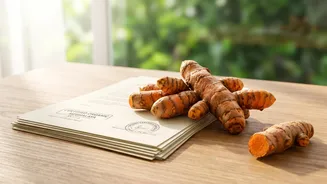
While the potential of Lakadong turmeric is immense, farmers, particularly women in remote villages, face significant hurdles. A major one, as the headline suggests, is navigating complex official paperwork. Many women farmers in the region could not read or write, making it nearly impossible for them to apply for government subsidies, obtain organic certifications, or access institutional support from bodies like the Spices Board. This bureaucratic barrier locked them out of crucial schemes designed to help them, from acquiring better quality seed tubers to gaining the formal recognition needed to sell their produce at a fair price. Beyond paperwork, they also struggled with price fluctuations, lack of market information, and limited access to regulated markets.
How Saioo's Initiative Provides a Solution
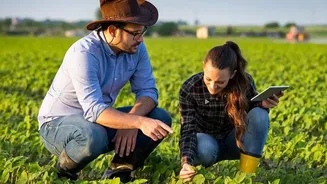
Recognizing this gap, Trinity Saioo put her teaching skills to use outside the classroom. She began personally hand-holding fellow farmers through the bureaucratic maze. She sat with them one-on-one, helping them fill out forms, gather the necessary documents, and apply for subsidies and organic certification. She also organised training sessions with the state's agriculture department and the Spices Board to improve cultivation techniques and pest management. To create collective strength, Saioo was instrumental in reviving and leading Self-Help Groups (SHGs) and cooperatives, such as the Life Spice Federation of Self-Help Groups, which now includes hundreds of women. This collective approach helps farmers pool resources, share knowledge, and gain better bargaining power.
The Broader Impact on the Community
The results of Saioo's initiative extend far beyond successfully filed forms. Farmers who made the switch to Lakadong turmeric and received support through her network have reported doubling or even tripling their incomes. This financial empowerment has had a tangible impact, with reports of families affording better housing and healthcare. The movement has been particularly powerful for women, who perform the core of the farming work in the region and are now leading the charge in processing and marketing. The initiative also came at a critical time, providing a sustainable alternative livelihood for many families who returned to farming after a ban on coal mining in the area in 2014. Saioo’s work, supported by government efforts like 'Mission Lakadong', has helped put this unique spice on the national and international map.