






The Chaos of a Shared Kitchen
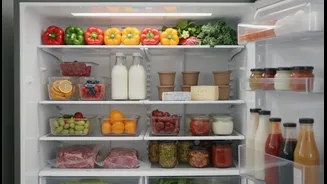
In many homes, the kitchen is a shared space with a cast of well-intentioned characters. One person buys groceries on Tuesday, another on Friday. Someone opens a new carton of milk, not realizing one was already open at the back of the fridge. This lack
of a central command often leads to duplicate purchases and forgotten leftovers that sadly end up in the bin. This phenomenon is often described as the 'out of sight, out of mind' problem, where food hidden in a cluttered fridge or pantry is easily forgotten until it's too late. It’s not about carelessness; it's a system problem rooted in dispersed responsibility. When everyone is vaguely in charge, no one is truly accountable, making it easy for food items to fall through the cracks.
Why a Household 'Food CEO' Works
The solution is surprisingly simple: designate one person to be the household's 'Food CEO' or inventory manager. This isn't about giving one person another chore. It's about creating a single point of reference for what's in the kitchen. Psychologically, this works because it establishes a clear sense of ownership and responsibility. Instead of a vague collective duty, one person has the specific role of knowing what's open, what needs to be used soon, and what's running low. This clarity streamlines communication. Before a grocery run, a quick check-in with the 'Food CEO' prevents buying a third jar of mustard. This approach mirrors inventory management systems used in professional settings like restaurants, which are designed to minimize waste and control costs.
How to Implement the System
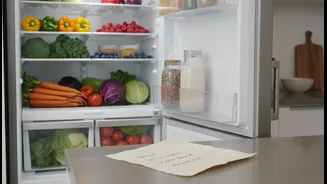
Getting started is straightforward. First, have a family or household meeting to decide who is best suited for the role; it might be the person who already does most of the meal planning or grocery shopping. The key is that the person is willing. Next, choose a tracking method. It doesn't need to be high-tech. A simple magnetic whiteboard on the fridge with columns for 'Open Items' and 'Use First' can be incredibly effective. For those who prefer digital, a shared note-taking app on your phone works just as well. The 'Food CEO's' primary task is to keep this list updated. When a new jar of jam is opened, it goes on the list. When it's finished, it comes off. This simple act of tracking makes the invisible visible.
Tips for the Designated Tracker
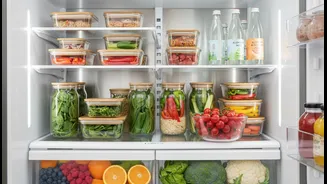
To prevent this role from becoming overwhelming, build simple habits. The designated tracker could do a quick five-minute scan of the fridge and pantry every two or three days. Establish an 'Eat Me First' shelf or basket in the fridge for items that are approaching their expiry date. This visual cue helps everyone in the household prioritize what to grab for a snack or use in a meal. Before creating a grocery list, the first step should always be to consult the inventory. This habit alone transforms shopping from a guessing game into a targeted restocking mission. By planning meals around what you already have, you not only reduce waste but also make the weekly shop faster and more efficient.
The Benefits Beyond an Organized Fridge
The most immediate benefit of this system is financial savings. Experts note that a key motivation for reducing food waste is saving money. When you stop buying duplicates and throwing away spoiled food, your grocery bills will naturally decrease. Beyond the budget, this system reduces the mental load associated with meal planning. Knowing exactly what ingredients are on hand makes deciding 'what's for dinner?' much less stressful. It also has a positive environmental impact, as less food in landfills means lower emissions of methane, a potent greenhouse gas. Ultimately, it fosters a more mindful and sustainable approach to consumption within the household.