








The Conditional Progress Report
The latest UN-backed report, titled 'Hidden Assets', presents a critical fork in the road for Delhi. The central finding is a conditional one: if Delhi fully implements and meets its national air quality standards starting now, in 2026, it can reduce
the PM2.5 exposure burden by 20 percent by 2040. However, the report issues a stark warning about delays. An implementation lag of about eight years, which is the expected global average, would slash that progress in half, resulting in only a 10 percent reduction and causing substantially greater health impacts over the period. This places a heavy emphasis not just on policy creation, but on immediate and sustained execution. Institutional barriers are cited as the single biggest contributor to such delays globally.
The Unwavering Health Crisis
Despite some improvements in pollution control measures, the health consequences remain dire. Air pollution is now considered the largest risk factor for death in India. Fine particulate matter, or PM2.5, is the primary culprit. These tiny particles, less than a thirtieth of a human hair's width, penetrate deep into the lungs and enter the bloodstream, increasing the risk of chronic diseases. Long-term exposure is definitively linked to cardiovascular diseases like heart attacks and strokes, respiratory illnesses such as COPD and lung cancer, and even neurological disorders and diabetes. Studies estimate that in 2025, outdoor air pollution was associated with 6.4 million premature deaths worldwide. In Delhi alone, high PM2.5 concentrations have been linked to tens of thousands of premature deaths and staggering economic losses in recent years.
Identifying the Pollution Sources
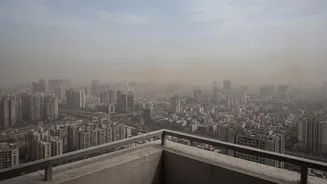
Delhi's air pollution is a complex cocktail with multiple sources that shift with the seasons. Key contributors include vehicular emissions, industrial output, road dust, construction activities, and domestic fuel burning. While winter often sees the most hazardous pollution levels due to meteorological conditions trapping pollutants, experts now warn that severe air pollution is a year-round problem. A significant portion of the city's pollution, sometimes up to 40 percent, is also transported from neighbouring regions, highlighting the need for a coordinated airshed management plan that extends beyond the city's borders. The exceptionally clean air during the 2020 lockdowns demonstrated just how much of the pollution is tied directly to daily human activity like traffic and industry.
Are Current Measures Enough?
Authorities in Delhi have rolled out numerous initiatives, from the Graded Response Action Plan (GRAP) to the new Air Pollution Mitigation Action Plan 2026. These plans include ambitious goals like expanding the public bus fleet, imposing 'No PUC, No Fuel' rules, and managing construction dust. The city has even improved its rank in the national 'Swachh Vayu Sarvekshan' survey, which evaluates the actions cities take to control pollution. However, the on-the-ground reality is that Delhi's average PM2.5 levels remain dangerously high, often many times above the WHO's safety guidelines. Experts express caution, noting that some measures like anti-smog guns have questionable large-scale impact and that true progress is hampered without consistent enforcement and tackling of hard-to-solve regional pollution sources.