




A Diplomatic Gift Takes Flight
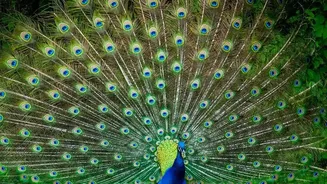
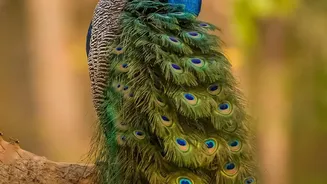
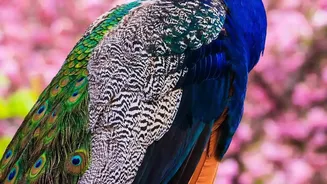
India has formally gifted five young Indian peafowl to the United Nations Office at Geneva (UNOG). The flock, consisting of four classic blue peacocks and one rare white male, was handed over in a special ceremony on August 7, 2026. India's Permanent
Representative to the UN in Geneva, Arindam Bagchi, presented the birds to UNOG Director-General Tatiana Valovaya. This act of "peacock diplomacy" is not just a colourful exchange but a meaningful gesture aimed at strengthening ties and showcasing India's rich natural heritage. The birds will initially stay in a temporary aviary for about three months to acclimate before they are allowed to roam freely across the sprawling grounds of Ariana Park.
A Historic Home at Ariana Park
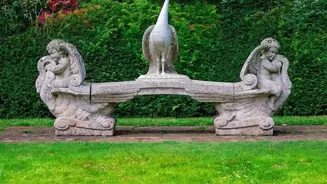
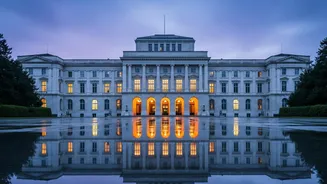
Ariana Park, the 46-hectare estate surrounding the Palais des Nations (the UN's European headquarters), has a long and storied history with peacocks. The tradition predates even the United Nations itself, originating in 1890 when Swiss philanthropist Gustave Revilliod bequeathed his estate to the city of Geneva. One of his key conditions was that peacocks should always be allowed to roam the grounds freely. India's latest gift revives a more recent tradition that began in 1981, when then-Prime Minister Indira Gandhi sent a breeding pair from the Delhi Zoo to Geneva. The new arrivals will join the park's existing peacocks, some of which are descendants of a donation from a Japanese zoo in 1997.
The Peacock as a National Symbol
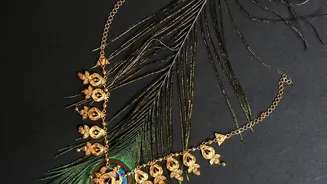
The choice of the Indian Peafowl, or Pavo cristatus, is deeply symbolic. Declared India's national bird in 1963, the peacock is woven into the fabric of the nation's culture, mythology, and history. In Hinduism, the bird is associated with several deities; Lord Krishna is famously depicted with a peacock feather in his crown, and the bird serves as the vehicle for Lord Kartikeya, the god of war. It represents grace, pride, beauty, and even resurrection. Beyond religion, the peacock has been a motif in royal iconography for centuries, most famously in the Mughal era's Peacock Throne, a symbol of immense imperial power. By gifting the peacock, India shares a living piece of its identity.
Soft Power and Lasting Connections
This gesture is a prime example of "soft power," where cultural symbols are used to foster goodwill and build international relationships. It communicates friendship and continuity without the need for formal treaties or negotiations. The Indian mission noted that the peacock represents "grace, beauty and resilience," reflecting the country's commitment to biodiversity and environmental stewardship. The fact that the new flock includes blue and white birds has also been seen as a nod to the official colours of the United Nations. As the peacocks settle into their new home, they will serve as a constant, living reminder of India's enduring partnership with the global community and its unique cultural heritage.