



Busting the Big Nutrition Myth
Let’s clear this up first: frozen vegetables are not the nutritional lightweights some believe them to be. In fact, they are often just as, and sometimes even more, nutritious than their fresh counterparts. The reason lies in the journey from farm to table.
Fresh vegetables are often picked before they are fully ripe to survive transportation and storage. During this time, exposure to light and air can degrade sensitive vitamins. In contrast, vegetables destined for the freezer are typically harvested at peak ripeness and flash-frozen within hours. This process locks in their vitamins and minerals, preserving their nutritional value at its peak. Studies have found no significant nutritional difference between the two, with frozen produce sometimes showing higher levels of certain nutrients. So, rest assured that the bag of frozen peas or corn in your freezer is a powerhouse of goodness.
The Golden Rules of Cooking Frozen Veggies
The secret to delicious frozen vegetables is avoiding one common pitfall: sogginess. The culprit is almost always excess moisture and improper heat. Many people make the mistake of boiling frozen vegetables, which saturates them and leaches out flavour and water-soluble vitamins. A far better approach is to use cooking methods that apply dry, high heat. When roasting or sautéing, make sure your oven or pan is properly preheated. High heat helps the excess moisture from the ice crystals evaporate quickly, allowing the vegetables to sear or roast rather than steam in their own liquid. Another key is to avoid overcrowding the pan; give the vegetables space to cook in a single layer. Finally, remember that most frozen vegetables are blanched before freezing, meaning they are already partially cooked and require less time than fresh ones, so be careful not to overcook them.
To Thaw or Not to Thaw?
For nearly all cooking applications, the answer is a resounding 'no'. Do not thaw your vegetables before cooking them. Thawing allows the ice crystals on and within the vegetables to melt, creating excess water that leads to a mushy, waterlogged texture when cooked. Cooking them directly from frozen is faster and yields a far better result, preserving their texture and flavour. The high heat of a pan or oven will cook off the ice while heating the vegetable through. The main exception to this rule is for recipes where you need to control the moisture content precisely, such as in dips or some casseroles. For example, frozen spinach should be thawed and squeezed to remove as much water as possible before being added to a dish like palak paneer or a creamy dip.
Beyond Boiling: Unlocking Versatility
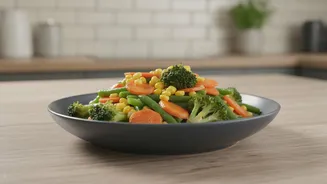
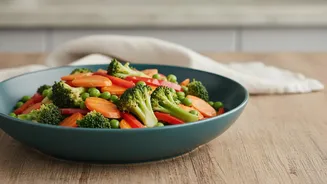
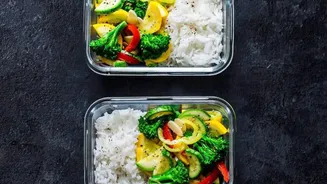
Once you master the basics, you’ll see that frozen vegetables are incredibly versatile. Roasting is a fantastic option; toss frozen broccoli, cauliflower, or carrots with oil and spices and roast at a high temperature (around 220°C) until tender and slightly browned. Sautéing or stir-frying is another quick and delicious method. Use a hot wok or skillet with a high-smoke-point oil, add aromatics like garlic and ginger, and then toss in your frozen vegetables, cooking them quickly for a crisp-tender result. Steaming is also a great option for retaining nutrients and a clean flavour, especially for delicate vegetables like peas. Just be sure to use a steamer basket so the vegetables sit above the water, not in it. Even air frying works wonders, producing a surprisingly crispy texture.
From Freezer to Feast
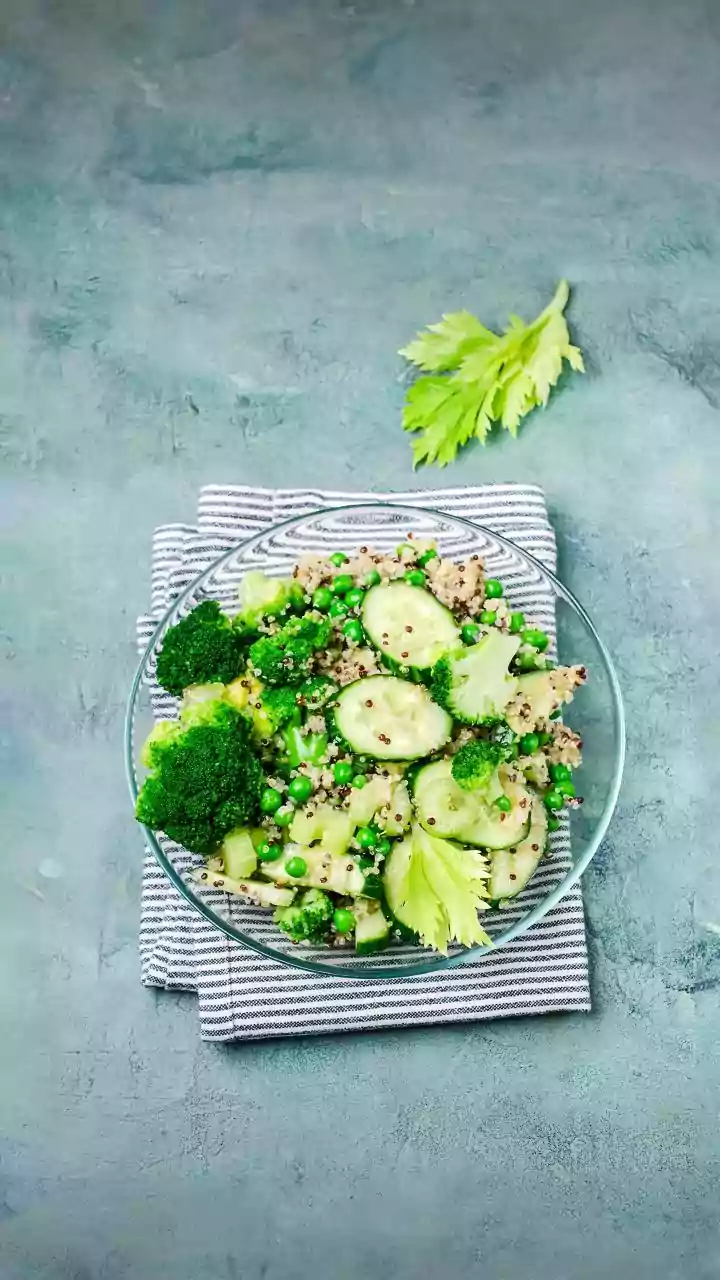
A well-stocked freezer is your secret weapon for quick, flavourful meals. Frozen peas, corn, and carrots are classic additions to fried rice, pulao, or a quick vegetable curry. Simply add them in the last few minutes of cooking. Frozen green beans are perfect for a quick stir-fry or a simple side dish sautéed with butter and garlic. A mix of frozen vegetables can be the base for a hearty soup, a comforting pot pie, or a rich pasta sauce. You can toss frozen spinach or other greens directly into a pot of pasta during the last minute of boiling for an instant nutrient boost. From frittatas and casseroles to shepherd's pie and vibrant Buddha bowls, the options are nearly limitless.