


A Sweet Stop on the Highway
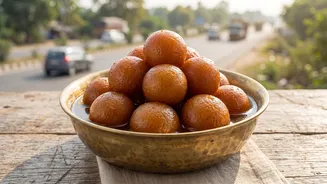
For travellers on National Highway 24, Maigalganj is a mandatory stop. A stretch of the highway here is lined with dozens of shops, with some estimates putting the number at over a hundred. Many share similar names, like 'Mashoor Gulab Jamun ki Purani
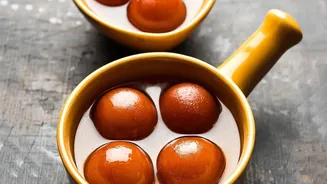
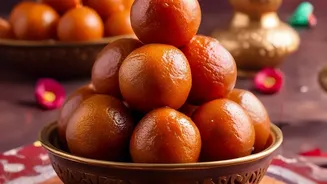
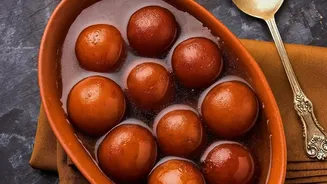
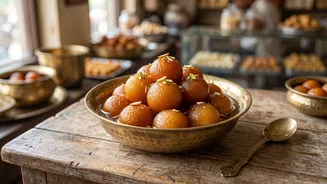
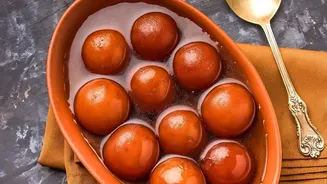
Dukaan' ('Famous Old Gulab Jamun Shop'), all serving the same iconic sweet. It has become a ritual for passengers in buses and cars to pause their journey, enjoy fresh, hot gulab jamuns served in traditional earthen bowls called matkas, and pack some for the road. This unassuming village has transformed itself into a culinary landmark, a place known nationwide not for monuments, but for a perfectly crafted dessert. Without its signature sweet, locals say, Maigalganj would be just another anonymous village on a long highway.
The Origin of a Legacy
The story of Maigalganj's sweet fame reportedly began in 1941. A vendor named Dhanpal set up the first sweet shop, Dhanpal Misthan Bhandar, at a time when the area was largely undeveloped and lacked proper roads. Despite the isolation, travellers who stopped by discovered his delectable gulab jamuns, and word began to spread. The sweets, served in matkas, became so popular that people would travel just to taste them. Following this success, other shops began to spring up. By the 1970s, Maigalganj had become completely synonymous with gulab jamuns, cementing its identity as a sweet-lover's destination. Today, the descendants of the original pioneers continue the tradition, running shops that have become institutions.
What Makes Maigalganj's Jamuns Special?
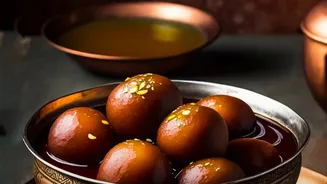
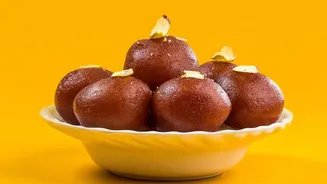
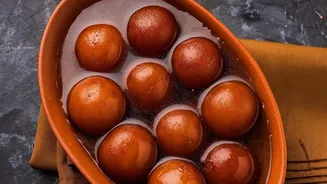
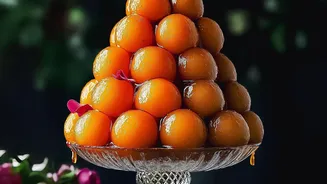
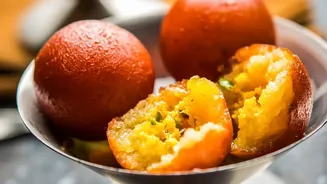
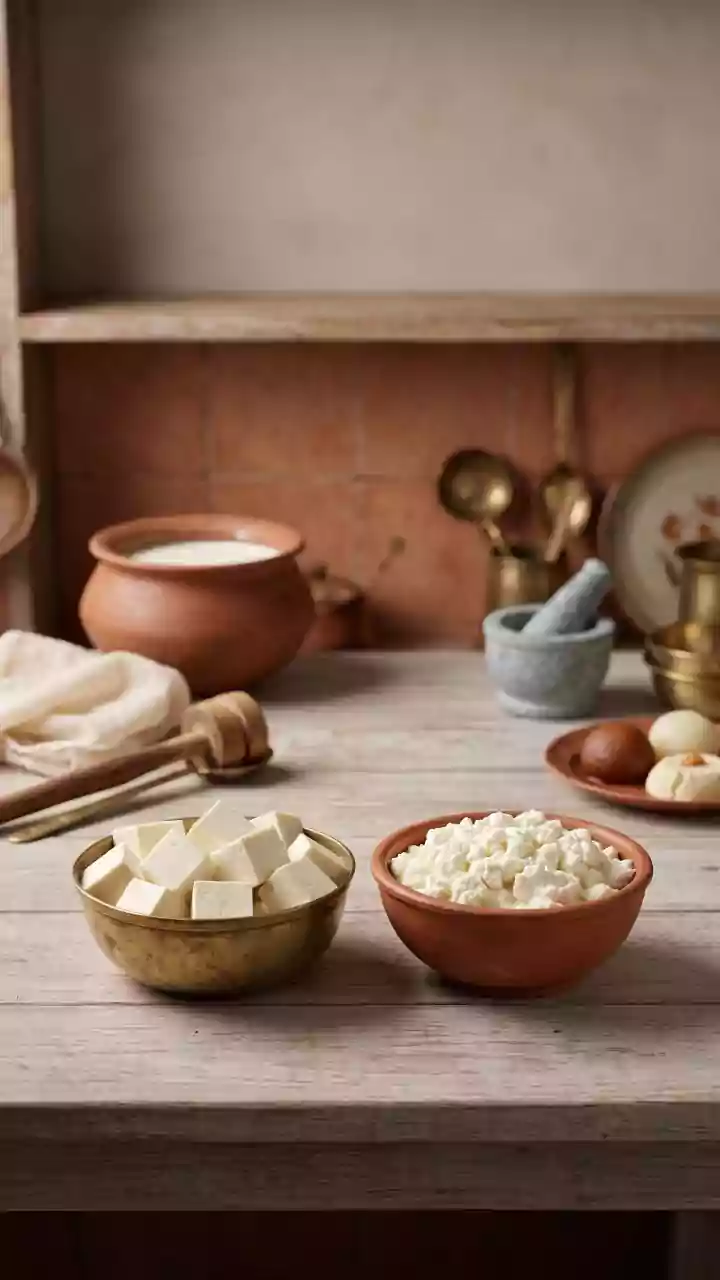
While the gulab jamun itself has Persian origins—brought to India and adapted over centuries—the Maigalganj version has its own distinct appeal. The key difference isn't a secret ingredient but the unwavering commitment to freshness and tradition. The jamuns are made from khoya (milk solids), flour, and a pinch of soda, kneaded into a dough, rolled into balls, and deep-fried in ghee. They are always served piping hot, ensuring a soft, spongy texture that melts in the mouth. The art also lies in the sugar syrup, which must reach the perfect 'ek-taar' or 'one-string' consistency. This ensures the syrup is absorbed perfectly without making the jamun fall apart, keeping it tender and firm. Served fresh in earthenware, the experience is simple, authentic, and consistently delicious across the village.
An Economy Built on Sugar and Khoya
The gulab jamun is more than just a treat in Maigalganj; it is the engine of the local economy. The entire ecosystem, from the milk producers supplying the khoya to the artisans crafting the earthen bowls, revolves around this single product. The street is a bustling hub of activity, with large woks showcasing the sweets, and vendors serving customers from early morning until late at night. Despite the high number of shops selling the exact same item in close proximity, a sense of community prevails over cutthroat competition. There is a shared understanding that the collective reputation of Maigalganj is what draws the crowds, and there is enough business for everyone. This unique economic model has sustained families for generations, turning a simple highway trade into a lasting legacy that has put the village on India's culinary map.