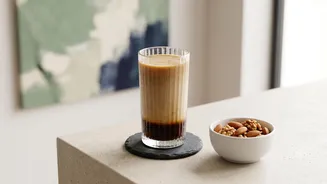








What Exactly Is Protein Coffee?
At its simplest, protein coffee is just what it sounds like: coffee mixed with protein. This is typically done by adding a scoop of protein powder directly into a cup of coffee or by mixing a pre-made protein shake with black coffee or an espresso shot.
The trend has gained popularity as a convenient way to increase daily protein intake, especially for those who might otherwise skip a morning meal. The goal is to combine the alertness-boosting effects of caffeine with the benefits of protein, which include muscle repair and a feeling of fullness. Depending on the powder or shake used, a single serving can add anywhere from 15 to 30 grams of protein to your morning cup.
The Potential Perks of Proffee
There are several valid reasons why this drink has become so popular. First and foremost, it’s an efficient way to meet your daily protein goals, which is crucial for muscle maintenance and recovery, especially if you're active. The combination of protein and caffeine can also serve as an effective pre-workout drink, potentially improving endurance and performance. Furthermore, protein is well-known for promoting satiety, the feeling of fullness. Starting your day with a protein-rich beverage may help curb hunger and reduce overall calorie intake later in the day, which can indirectly support weight management goals. For many, it's also a healthier alternative to sugary, high-calorie coffee creamers and flavoured lattes.
The Reality Check: It’s Not a Magic Bullet
Here’s where we need to manage expectations. Protein coffee itself doesn't cause weight loss. Effective and sustainable weight management comes down to a consistent calorie deficit, achieved through a balanced diet and regular physical activity. While proffee can help you feel fuller, leading you to eat less, it also adds calories to your daily total. If you don't account for these extra calories, you could inadvertently gain weight. The effectiveness of protein coffee is entirely dependent on what the rest of your diet looks like. Relying on it as a 'hack' while ignoring the nutritional quality of your other meals is a recipe for disappointment. It's a tool, not a complete solution.
Potential Downsides and How to Avoid Them
Not all protein powders are created equal. Many flavoured varieties are loaded with added sugars, artificial sweeteners, fillers, and other additives that can turn a seemingly healthy drink into a calorie bomb. It’s crucial to read labels and choose a low-sugar, high-quality protein powder. Some people may also experience digestive discomfort depending on the type of protein used, such as whey or certain plant-based options. It’s also important to remember that protein coffee is not a nutritionally complete meal. While convenient, it lacks the fibre, vitamins, and minerals found in a balanced breakfast of whole foods like eggs, oats, or fruit. It should be seen as a supplement, not a consistent meal replacement.
How to Make a Smarter Protein Coffee
If you decide to try protein coffee, a few simple tips can help you do it right. To avoid clumps, which often happen when adding powder to a hot liquid, try mixing the protein powder with a small amount of cold liquid first (like milk or a little cold brew) to form a paste, then slowly add your hot coffee. Alternatively, mixing it into iced coffee is often much easier. Opt for unflavored or naturally sweetened protein powders to control the sugar content. You can add your own flavour with a dash of cinnamon or a drop of vanilla extract. Listen to your body and don’t use proffee as a crutch to ignore hunger signals or replace a diverse, nutrient-rich diet.