


The Problem With Overcrowding
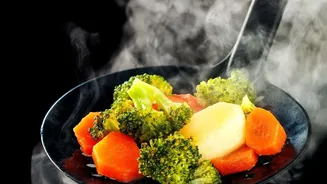
When you pile frozen vegetables into a hot pan or onto a baking sheet, you create a crowded environment where moisture gets trapped. As the vegetables heat up, the ice crystals within them melt, releasing a significant amount of water. If the vegetables are
packed too tightly, this water has nowhere to go. Instead of evaporating, it creates steam, effectively boiling your vegetables in their own liquid. This steaming process is the primary culprit behind a soft, waterlogged texture, preventing the vegetables from ever getting that desirable crispiness or colour. The sudden addition of too many frozen items also causes a sharp drop in the pan's temperature, further hindering the cooking process and encouraging sogginess.
Why Space Is Your Secret Ingredient
Giving your vegetables enough room in a single layer is the most critical step for achieving a better texture. Spacing them out allows the hot air to circulate freely around each piece, whisking away the moisture as it's released. With the water gone, the hot surface of the pan can make direct contact with the vegetables, which is essential for browning. This process is known as the Maillard reaction.
Unlocking Flavour: The Maillard Reaction
The Maillard reaction is a chemical process between amino acids and sugars that occurs at high temperatures, typically above 140°C. It’s responsible for the delicious browning and complex, savoury flavours you get from searing meat, toasting bread, or roasting vegetables. When your vegetables are steaming in a crowded pan, the temperature doesn't get high enough for this reaction to happen. But by giving them space, you allow moisture to evaporate and the surface temperature to rise, unlocking deep, caramelized flavours that simply can't be achieved when they are steamed.
Your Guide to Perfectly Cooked Frozen Vegetables
Ready to put this into practice? Follow these simple steps for perfectly roasted or sautéed frozen vegetables every time. First, do not thaw the vegetables. Cooking them directly from frozen is key to preventing a mushy texture, as thawing allows the cell walls to break down and release excess water before they even hit the pan. Next, use high heat. For roasting, preheat your oven and the baking sheet to a hot 220-230°C. A hot pan helps the water evaporate quickly upon contact. For sautéing, get your skillet very hot before adding the vegetables. Then, use a pan that is large enough for the job. Spread the vegetables in a single, even layer, ensuring they aren’t touching. If you have too many for one pan, it's far better to cook them in two separate batches than to crowd them into one. Coat them lightly with an oil that has a high smoke point and wait to add salt until halfway through or at the end of cooking, as salt can draw out water prematurely. Finally, be patient and don't stir too often. Allowing the vegetables to sit undisturbed on the hot surface is crucial for developing a good char and deep flavour.