





The Modern Tapestry
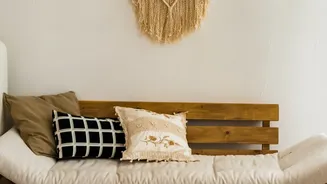
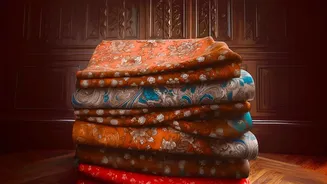
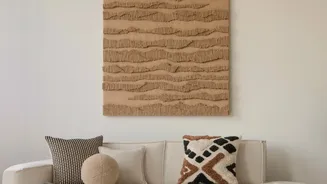
Forget dusty, medieval-style wall hangings. Today’s textile art is about adding softness and absorbing sound, turning a blank wall into a focal point. Large-scale fabrics like vintage saris, graphic prints, or hand-woven pieces can function as a stunning
alternative to framed art, especially over a bed or a sofa. Hanging a large textile is simpler than you might think. A curtain rod or a simple wooden dowel is an effective method for most pieces. For a clean, floating look, you can attach Velcro strips to the back of the textile and a corresponding wooden slat mounted on the wall. This distributes the weight evenly and prevents sagging, which is crucial for heavier fabrics like rugs. Whatever you choose, ensure the hanging method supports the textile's weight without causing stress or damage to the fibres.
The Art of the Throw
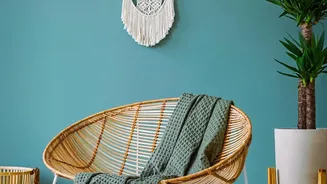
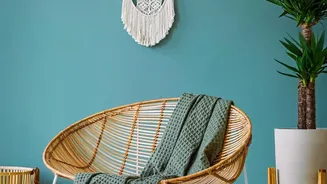
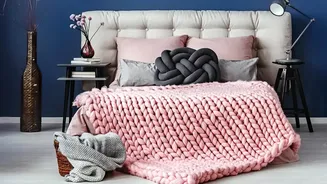
An oversized throw blanket is a versatile styling tool that adds instant comfort and visual interest. On a sofa, it can be draped artfully over a corner, with the fabric cascading naturally onto the seat to create an inviting feel. For a more structured look, fold the throw neatly into thirds and lay it over the back of the sofa, tucking it behind the cushions to keep it in place. Don't limit throws to just the living room. At the foot of a bed, a large, textured throw adds a layer of luxury and makes the entire bed feel more inviting. You can also use one to soften a hard bench in an entryway or drape it over an accent chair to introduce a pop of colour or a contrasting pattern. The key is to choose a fabric that complements your existing decor, whether through a shared colour palette or a pleasing textural contrast.
Statement Floor Coverings
While not all textiles are suitable for foot traffic, certain durable fabrics can serve as unique and stylish floor coverings. Heavy canvas, often used for traditional floorcloths, can be painted and sealed to create a durable, custom rug. This approach was popular in the 18th century and is seeing a modern resurgence in kitchens and entryways. You can also layer a less durable but beautiful textile over an existing, more resilient rug to add pattern and colour without worrying about wear and tear. When using any fabric as a floor covering, safety is paramount. Always use a non-slip rug pad underneath to prevent it from sliding around. This is especially important for lighter materials. For high-traffic areas, look for performance fabrics or tightly woven materials that can withstand daily use.
Choosing the Right Textile
The success of these applications depends heavily on selecting the right material. For wall hangings, almost any fabric can work, from lightweight printed cotton to heavier woven wool. Your choice will depend on the look you want and the hanging method you plan to use. For throws, focus on texture and feel. Materials like chunky knits, soft velvets, or breathable linens add a tactile quality. Durability becomes the main concern for floor coverings. Look for robust materials like heavy canvas, dense wool, or performance blends designed for upholstery. Before buying, consider the room's existing colour scheme and style. A bold, geometric pattern can energize a neutral space, while a solid-coloured, textured fabric adds subtle depth. Don't be afraid to mix patterns, but try to keep them unified with a common colour to ensure the look feels cohesive.