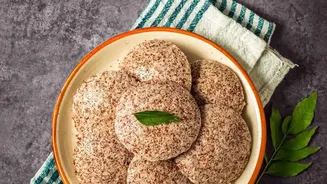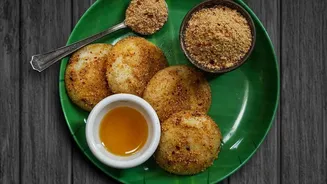





The Enduring Magic of Ghee Podi Idli
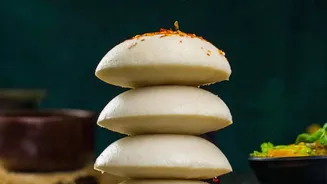
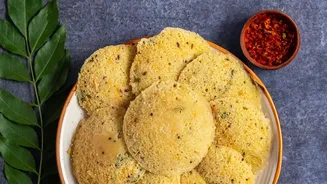
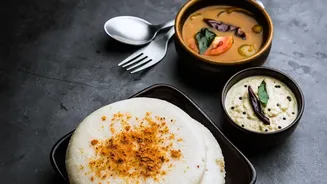
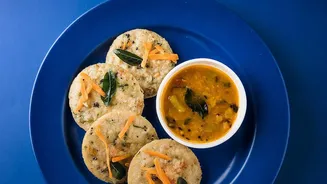
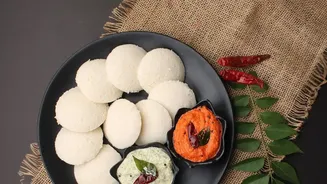
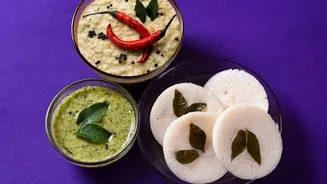
Soft, steamed idlis, generously coated in a fragrant, spicy powder and bathed in warm, nutty ghee—it’s a dish that defines South Indian comfort food for many. Ghee podi idli, often served with mini idlis, turns a simple breakfast staple into a crave-worthy
meal. The 'podi' itself, a coarse spice powder also known as milagai podi or simply 'gunpowder', is the heart of the dish. This dry condiment, prized for its long shelf life, can transform a plain idli in seconds. Traditionally made by roasting lentils and spices, it delivers a complex blend of nutty, earthy, and spicy notes that, when combined with ghee, creates an unforgettable flavour experience.
Deconstructing Podi: More Than Just 'Gunpowder'
While its explosive nickname suggests pure fire, traditional milagai podi is a masterclass in balance. The typical base consists of roasted lentils, primarily urad dal (split black gram) and chana dal (Bengal gram). These provide a nutty flavour and a satisfyingly coarse texture. Sesame seeds are another key ingredient, adding their distinct aroma once toasted. From there, a symphony of other aromatics can be introduced, including asafoetida (hing), curry leaves, and sometimes cumin or garlic, each adding a layer of complexity. But the ingredient that defines its character and gives it its name—'milagai' means chilli in Tamil—is the dried red chilli.
The Heat Factor: Not All Chillies Are Equal
This is where homemade podi truly shines. Store-bought versions often use a single, cost-effective chilli variety that delivers heat but little else. By making your own, you become the master of the Scoville scale. Indian cuisine uses a vast array of chillies, each with a unique purpose. For a vibrant, restaurant-style red colour without overwhelming spice, the Kashmiri chilli is your best friend, possessing a mild heat and smoky flavour. For a more assertive, pungent kick, the Guntur Sannam from Andhra Pradesh is a workhorse, bringing genuine heat to the blend. Byadgi chillies from Karnataka offer a brilliant deep red colour with a moderate, manageable heat. By creating a custom blend—perhaps a majority of Kashmiri for colour and a touch of Guntur for a fiery note—you can design a podi that perfectly matches your tolerance and taste preference. This is the control that pre-made powders can never offer.
Beyond Spice: Crafting Your Signature Flavour
Controlling the heat is just the beginning. The beauty of a homemade blend is the ability to tweak every single component. Roasting the dals until they are deeply golden and aromatic brings out maximum nuttiness. You can choose to add more sesame seeds for a richer flavour or introduce ingredients not always found in commercial blends, like a small amount of jaggery to balance the heat, or a few cloves of garlic for a pungent twist. Even the texture is up to you. Some prefer a fine powder, while others enjoy a coarser grind where you can still get the subtle crunch from the lentils. Every batch can be an experiment, allowing you to create a signature podi that is uniquely yours.
The Hidden Benefits of a Homemade Batch
Beyond flavour customisation, making your own spice blends comes with a host of other advantages. You have complete control over the quality and freshness of your ingredients. Many commercial spice mixes contain fillers, anti-caking agents, or preservatives to extend shelf life—all of which you can avoid. You also control the salt levels, which can be excessively high in store-bought options. Furthermore, buying whole spices in bulk and grinding them yourself is often more economical than purchasing small, pre-packaged blends. The aroma that fills your kitchen when you roast fresh dals and spices is an experience in itself, resulting in a podi that is fresher and more fragrant than anything you can buy off the shelf.