








The Deceptively Simple Scam
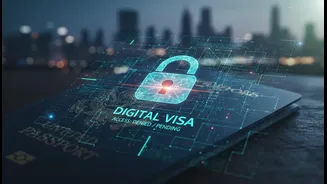
This tactic is a form of cybercrime known as 'typosquatting'. Scammers register domain names that are common misspellings of popular, trusted websites. For example, they might create a site with an address like 'indianvisaonline.gov.in' but change it slightly,
perhaps to '.org.in' or by swapping two letters. These fake sites are designed to look identical to the official ones, complete with government logos and familiar layouts. The goal is to exploit a simple typing mistake or to lure you through a phishing email or a search engine result that ranks higher than the official page. Once you're on their site, they can steal your personal information, credit card details, and charge exorbitant fees for services that are either free or much cheaper on the actual government portal.
Why Visa Applicants Are Prime Targets
Applying for a visa is often a stressful and urgent process. You're dealing with deadlines, complex forms, and the pressure of making your travel plans a reality. Scammers know this and exploit the sense of urgency to their advantage. Many applicants, especially those unfamiliar with the official process, can be easily fooled. In fact, studies have shown that a significant percentage of people cannot tell the difference between a real government site and a convincing copycat. The Indian government has issued multiple advisories about a rising number of complaints from applicants who have been duped out of hundreds of dollars by these fraudulent websites. These scams are not just about financial loss; providing your details to a fake site can lead to identity theft.
Red Flags of a Fake Visa Website
While scammers are getting more sophisticated, there are several warning signs you can look for. First, always double-check the website's address or URL. Official Indian government websites for e-Visas will end in '.gov.in'. Be suspicious of domains ending in '.org' or other variations. Second, look for a secure connection. The URL should start with 'https://' and have a padlock icon in the address bar. Third, be wary of the site's design and content. While they mimic official pages, fakes often have grammatical errors, unprofessional design elements, or pop-up ads. Finally, if the site promises unusually fast processing times or asks for payment through untraceable methods, it is likely a scam. Official visa services rarely make such promises or use unofficial payment channels.
Your Checklist for Online Safety
Protecting yourself requires a few moments of careful verification. Always start your visa application process from the official embassy or consulate website for the country you plan to visit. These sites will provide the correct links to the legitimate visa application portals. Instead of clicking on links in unsolicited emails or relying on search engine results, type the official government URL directly into your browser. The official website for Indian e-Visas is indianvisaonline.gov.in. Before entering any personal or payment information, take a moment to verify the domain name and security indicators. If you have any doubt about a website's legitimacy, do not proceed. Trust your instincts and use only the confirmed, official channels.