








What is the New Push?
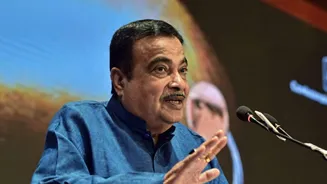
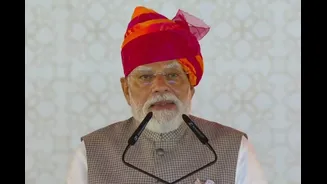
The latest chapter in India's biofuel story involves looking beyond just blending ethanol with petrol. A significant new focus is on diesel, which powers the bulk of India's transport and logistics sector. Union Minister Nitin Gadkari has announced that
the government is actively working to permit the blending of up to 15% isobutanol with diesel. Unlike ethanol, which cannot be mixed directly with diesel, isobutanol (which can be produced from ethanol) is a more suitable blending agent. This move is seen as a crucial step to tackle emissions and import dependency, as India consumes nearly twice as much diesel as petrol. Pilot projects for isobutanol-blended diesel have shown encouraging results, with Gadkari confirming the successful operation of generator sets on 100% isobutanol, proving that engines can be adapted for such fuels.
The Bigger Picture: From E20 to Energy Exporter
This new initiative builds on the success of India's Ethanol Blended Petrol (EBP) programme. The country has already achieved its target of 20% ethanol blending in petrol (E20) nationwide, a milestone reached ahead of schedule in 2025. This success has already saved the country significant foreign exchange and reduced carbon emissions. However, Gadkari's vision extends far beyond E20. His stated ambition is to transform India from a net energy importer to an exporter. This long-term strategy involves a multi-fuel approach, promoting ethanol, methanol, bio-CNG, and green hydrogen as key pillars of a self-reliant energy ecosystem. Gadkari has even floated the idea of aiming for 100% ethanol blending in the future, similar to countries like Brazil, to achieve complete energy independence.
Why the Urgent Focus Now?
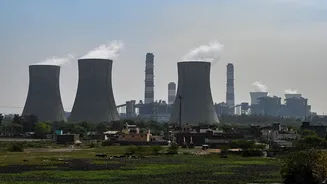
The primary driver for this intensified push is economic. India imports approximately 87% of its crude oil, a dependency that costs the exchequer nearly ₹22 lakh crore annually. This heavy reliance makes the country vulnerable to volatile global oil prices and geopolitical conflicts. For policymakers, biofuels offer a homegrown solution to reduce this massive import bill and bolster energy security. Beyond economics, the environmental benefits are a major factor. Biofuels are cleaner-burning than conventional fossil fuels and are seen as a vital tool in India's efforts to reduce air pollution and meet its climate commitments. The E20 blend alone is credited with significantly cutting carbon emissions. The initiative also aligns with the government's goal of boosting rural economies by creating a new revenue stream for farmers, turning agricultural waste and surplus crops into valuable fuel.
Challenges on the Road to Self-Reliance
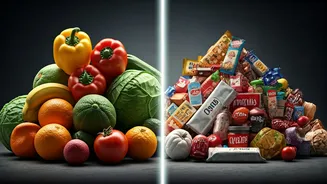
Despite the ambitious vision, the path to biofuel dominance is not without obstacles. One of the most significant concerns is the food versus fuel debate. Diverting crops like sugarcane and maize for ethanol production could potentially impact food availability and lead to inflation, a challenge the government has acknowledged by focusing policy on non-edible feedstocks and agricultural waste. There are also logistical and technical hurdles. Establishing a seamless supply chain for feedstock collection, from agricultural waste to used cooking oil, remains a complex task. Furthermore, the rollout of new fuel blends requires extensive research, vehicle compatibility testing, and building public trust. The government has recently had to counter misinformation about E20 fuel allegedly damaging vehicle engines, highlighting the need for clear public communication.