

The Current Situation: A Tale of Two Nepals
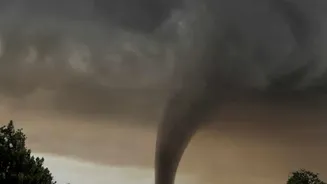
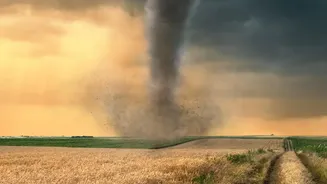
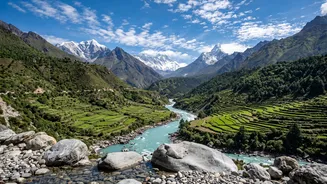
A massive glacial collapse near the Tibet border on August 26 triggered a catastrophic flash flood along the Bhote Koshi and Trishuli river systems. This has caused widespread devastation in specific northern districts, particularly Rasuwa, Nuwakot, and Dhading.
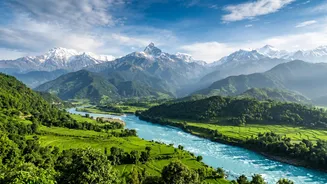
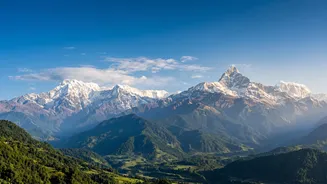
However, it is crucial for tourists to understand that this disaster is highly localized. Most of Nepal's popular tourist destinations, including the Kathmandu Valley, Pokhara, Chitwan National Park, and the Everest and Annapurna trekking regions, were not physically impacted by the floods and remain fully operational. International and domestic airports are open, and hotels and cultural sites in these areas are welcoming visitors. The main challenge is not the destinations themselves, but the road access to and between them, which has been intermittently affected.
Weather Outlook: A Classic Post-Monsoon Transition
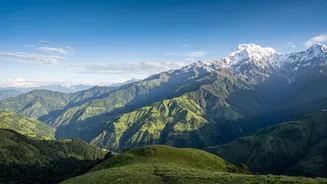
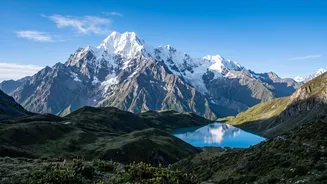
September is a transitional month. The first half often sees lingering monsoon showers, typically in the afternoons and evenings. As the month progresses, the rain subsides, humidity drops, and the skies clear to reveal the crisp, panoramic mountain views that make autumn the premier trekking season. Temperatures are generally pleasant, ranging from 15-24°C during the day in popular trekking areas. While early September may still be cloudy, conditions rapidly improve by the middle of the month, offering stable weather perfect for travel. However, travellers should still pack for potential rain and be prepared for variable conditions.
Road Travel: The Primary Hurdle
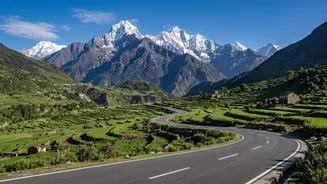
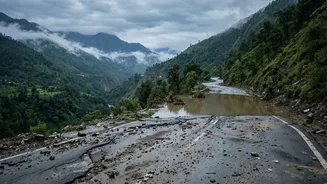
The primary disruption for tourists is the condition of key highways. While many reports from late August noted the reopening of the main Kathmandu-Pokhara-Chitwan tourist triangle, the situation remains fluid. Fresh rains and landslide risks have caused authorities to implement temporary closures as a precaution. As of August 30, major highways passing through Chitwan connecting to Kathmandu and Pokhara were closed again until further notice due to a heightened risk of floods and landslides in the region. The road corridor leading to the flood-affected Rasuwa district, the gateway to Langtang Valley treks, has been severely damaged and is closed. For overland travel, flying between major hubs like Kathmandu and Pokhara is currently the most reliable option. Always check the real-time status of highways with local operators before starting any road journey.
Trekking Update: What's Open and What's Not
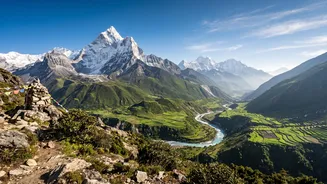
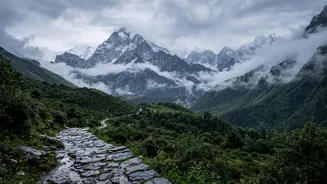
For trekkers, the picture is clear. The Everest (Khumbu) and Annapurna regions are completely safe and unaffected by the floods. Treks like Everest Base Camp, Annapurna Circuit, and Annapurna Base Camp are operating normally. The Manaslu region is also reported as safe. The main area to avoid is the Langtang region. The gateway town of Syabrubesi and the access highway have suffered significant damage, and the Nepal Tourism Board has advised postponing all treks in this area. While the upper trails of Langtang may be intact, access is the major problem. For other treks, while the trails are open, the journey to the trailhead might require flexibility and a willingness to fly instead of drive.
Safety and Responsible Travel
Government travel advisories from countries like Australia and the US recommend exercising a high degree of caution. They specifically advise reconsidering travel to the flood-affected districts along the Trishuli River. It is essential to have comprehensive travel insurance that covers medical evacuation and trip disruptions. For those who choose to visit the unaffected areas, your tourism can play a vital role in Nepal's economic recovery. Support local businesses by hiring local guides, staying in family-run teahouses, and buying local products. This ensures your travel spending directly benefits the communities that depend on tourism, especially as the nation grapples with this recent tragedy.