


The Human-Rating Imperative
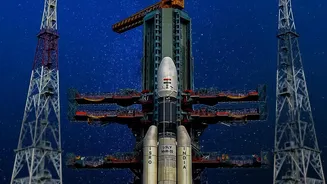
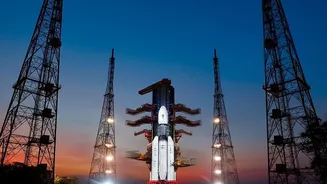
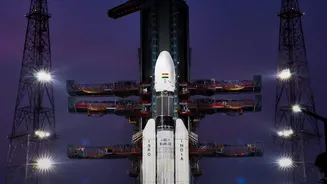
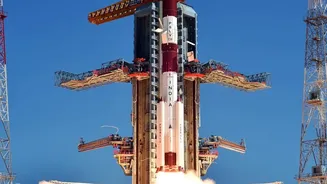
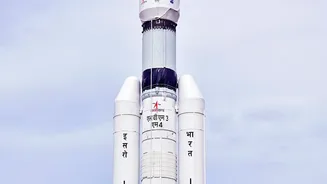
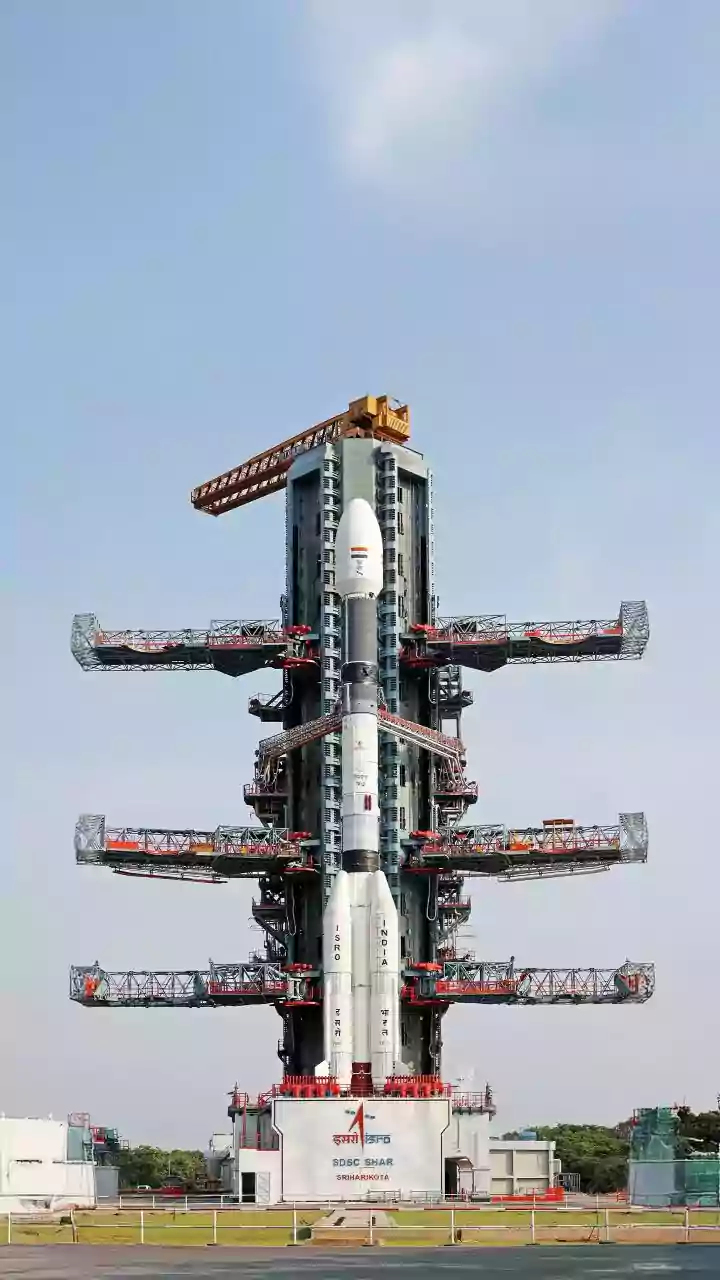
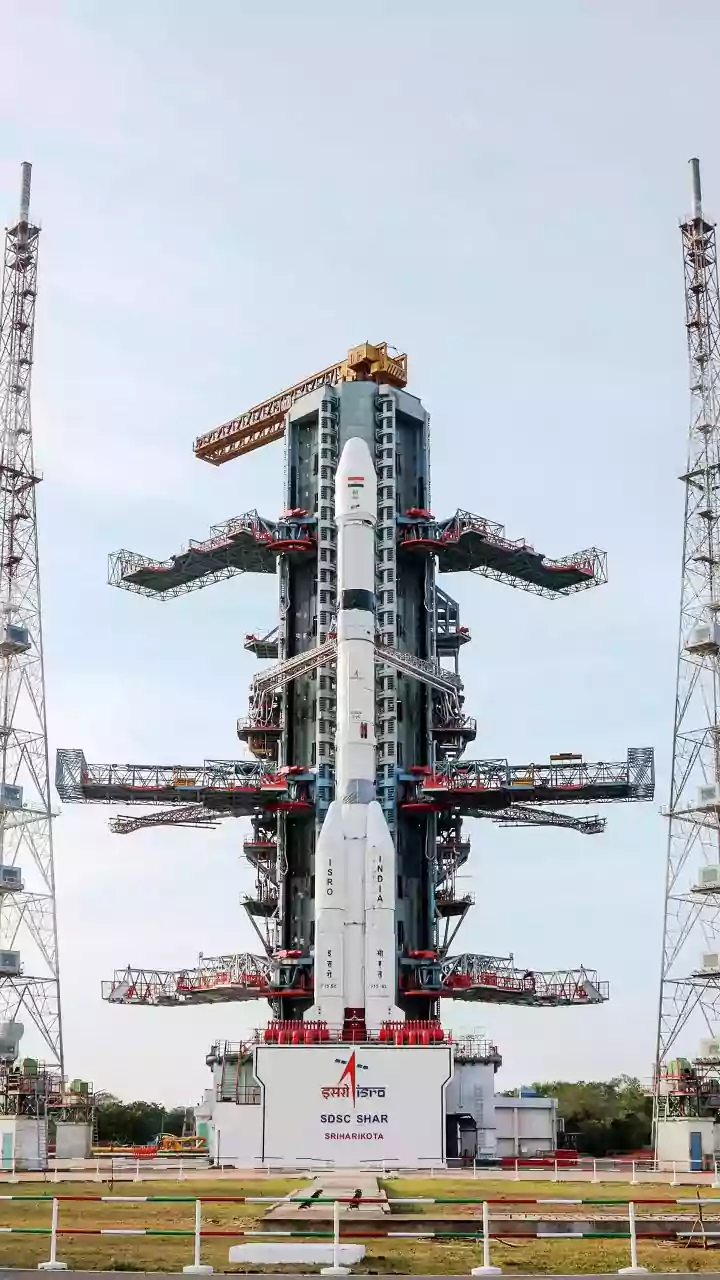
Before a rocket can carry astronauts, it must be 'human-rated'—a certification that signifies it is safe for human transport. For ISRO's Gaganyaan mission, the launch vehicle of choice is the powerful LVM3 (Launch Vehicle Mark 3). While the LVM3 has a proven
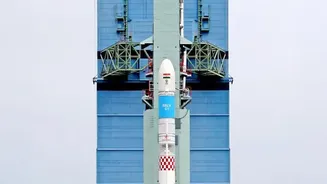
track record with successful missions like Chandrayaan-3, human-rating it requires a complete re-evaluation of risk. The process is an exhaustive engineering and certification journey to ensure the system has an extremely low probability of catastrophic failure. This involves adding redundant systems, strengthening structures, and implementing a robust Crew Escape System that can pull the astronaut capsule to safety in an emergency. The resulting rocket, known as the HLVM3 (Human-Rated LVM3), is a machine re-engineered for the highest priority: crew safety.
Testing the Rocket’s Skeleton
A rocket endures unimaginable stress during its ascent, from violent vibrations to extreme atmospheric forces. To ensure the HLVM3’s structure can withstand this, ISRO conducts a battery of ground tests. Engineers redesign the launch vehicle structures to meet higher safety factors. This involves static tests, where components are subjected to forces far greater than they would experience in flight to find their breaking point. Dynamic tests, including acoustic and vibration analysis, simulate the intense shaking and noise of a real launch. Every structural element, from the main fuselage to the payload fairings, is tested to validate its integrity. Recent tests have also qualified the Crew Module's structure to handle the loads from key separation events, like the jettisoning of its protective apex cover. This proves the capsule can maintain its integrity through every stage of the mission.
Ensuring a Perfect Heartbeat
The propulsion systems are the heart of the rocket, and their reliability is non-negotiable. ISRO’s approach is to test, test, and test again. The engines for the HLVM3, including the solid strap-on boosters (HS200), the liquid core stage (L110) with its Vikas engines, and the cryogenic upper stage (C25) powered by the CE20 engine, have all undergone extensive ground qualification. The CE20 cryogenic engine, for instance, has been subjected to 39 hot-firing tests for a cumulative duration of over 8,800 seconds—far exceeding the minimum requirement of 6,350 seconds for human-rating. These 'hot tests', conducted at facilities like the ISRO Propulsion Complex in Mahendragiri, run the engines for long durations to assess their performance, endurance, and stability under both normal and off-nominal conditions. ISRO has even qualified the CE20 engine to operate at a higher thrust of 22 tonnes to enhance the rocket's payload capacity for future missions.
Simulating Every Possibility
Testing individual parts isn't enough; the entire system must work in perfect harmony. ISRO performs integrated tests to ensure all components—propulsion, structure, and avionics—function together as designed. This includes testing at facilities that can simulate the vacuum and extreme cold of high altitudes. Furthermore, ISRO has also qualified the propulsion systems for the Crew Module and the Service Module. These smaller engines are crucial for controlling the capsule's orientation in orbit and during re-entry. A special test vehicle known as SOLVE is even being developed to validate the complex parachute system that will slow the Crew Module for a safe splashdown. By validating every stage and system, from the main engines to the final parachute deployment, ISRO builds a chain of reliability link by link.