
Understanding Venus's Big Moment
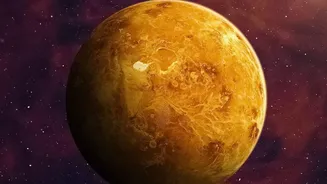
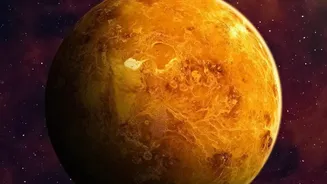
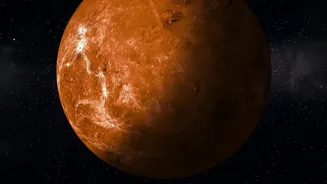
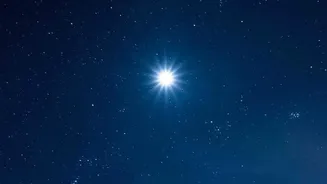
If you have noticed an incredibly bright, steady light in the western sky after sunset recently, you have already seen Venus. Throughout August, it dominates the evening. The main event occurs on August 15, 2026, when the planet reaches what astronomers
call its greatest eastern elongation. In simple terms, this is the point in its orbit when Venus appears farthest from the Sun in our sky. Because Venus orbits closer to the Sun than Earth, it is always seen either trailing the sunset (an 'evening star') or preceding the sunrise (a 'morning star'). This elongation marks its widest separation from the Sun's glare for this evening cycle, making it hang brighter and longer in the twilight sky. Shining at a brilliant magnitude of -4.4, it will be the most luminous object after the Sun and Moon.
How to See the 'Evening Star'
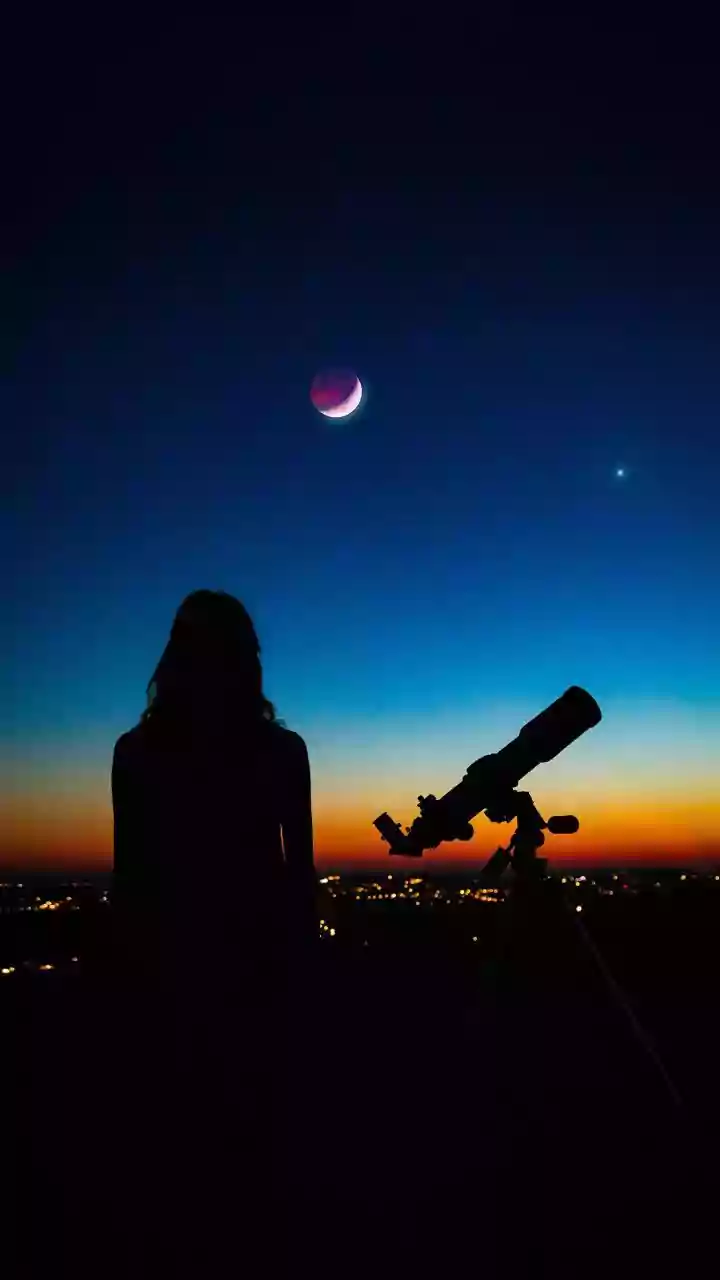
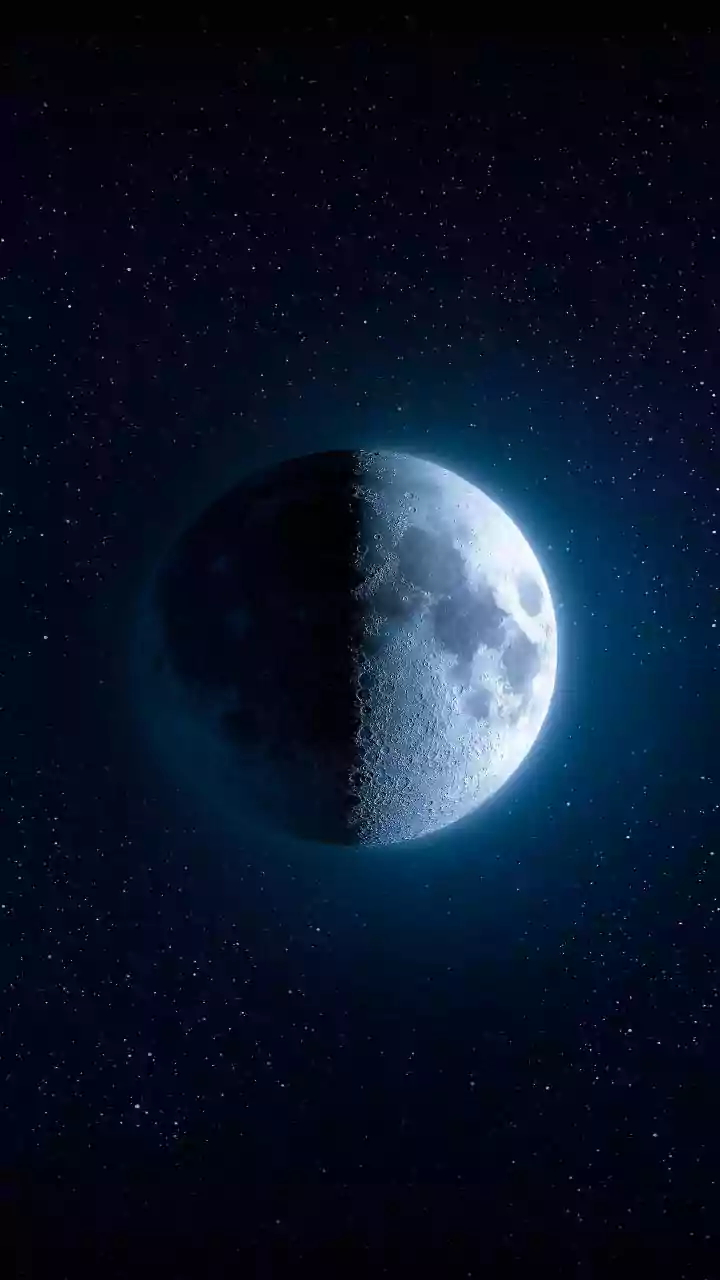
Spotting Venus on and around August 15 is incredibly easy. Simply look to the west as the Sun goes down. You will not need a telescope or any special equipment; its brightness is unmistakable. On the evening of the 15th, a lovely crescent Moon will be situated near Venus, creating a beautiful pairing in the sky. For those with a telescope, this is also a unique time to observe Venus. Around its elongation, it appears as a tiny, half-lit moon, a phase known as dichotomy. This celestial geometry provides a stunning view of our neighbouring world and a perfect, accessible starting point for anyone new to stargazing.
An Action-Packed August Sky
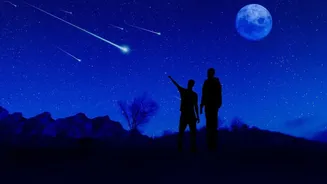
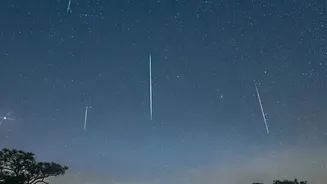
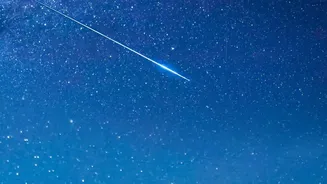
While Venus steals the spotlight, August 2026 is packed with other celestial treats. The famous Perseid meteor shower peaks on the nights of August 12 and 13. This year's shower is especially promising because it occurs during a New Moon, meaning the skies will be exceptionally dark, allowing even faint meteors to be visible. Under ideal conditions, you could see 50 to 100 'shooting stars' per hour. These are not stars, but tiny debris particles from Comet Swift-Tuttle burning up in our atmosphere. For Indian observers, the best viewing time will be in the pre-dawn hours of August 12 and 13, from around 2:00 AM to 4:30 AM IST. The one potential challenge could be monsoon clouds, so clear skies will be key.
A Parade of Planets
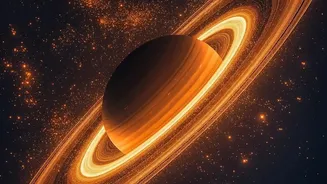
August also features a spectacular morning planet parade. Before sunrise, a lineup of up to six planets will be scattered across the sky: Mercury, Jupiter, Mars, Saturn, Uranus, and Neptune. Venus is the only one missing from the morning show because it's an evening object this month. Mars and Saturn will be the easiest to spot with the naked eye. Mercury and Jupiter will appear very low on the eastern horizon close to sunrise, presenting more of a challenge. To see Uranus and Neptune, you will need binoculars or a small telescope. This planetary gathering, visible throughout August, offers a wonderful opportunity to appreciate the scale of our solar system from your own backyard.
Tips for the Best Viewing Experience
To make the most of these events, a little preparation goes a long way. First, find a location away from city lights. Light pollution can wash out all but the brightest objects. Give your eyes about 20 to 30 minutes to fully adapt to the darkness; this will help you spot fainter meteors and stars. While you don’t need a telescope for Venus or the Perseids, a pair of binoculars can enhance the view of planets like Saturn and help you spot Uranus. Consider using a stargazing app on your phone to help identify constellations and locate the planets. Finally, be patient and comfortable. Bring a chair or blanket and enjoy the cosmic performance overhead.